Transforming
vision into
impact
Projects that empower nations and communities.
Explore projects

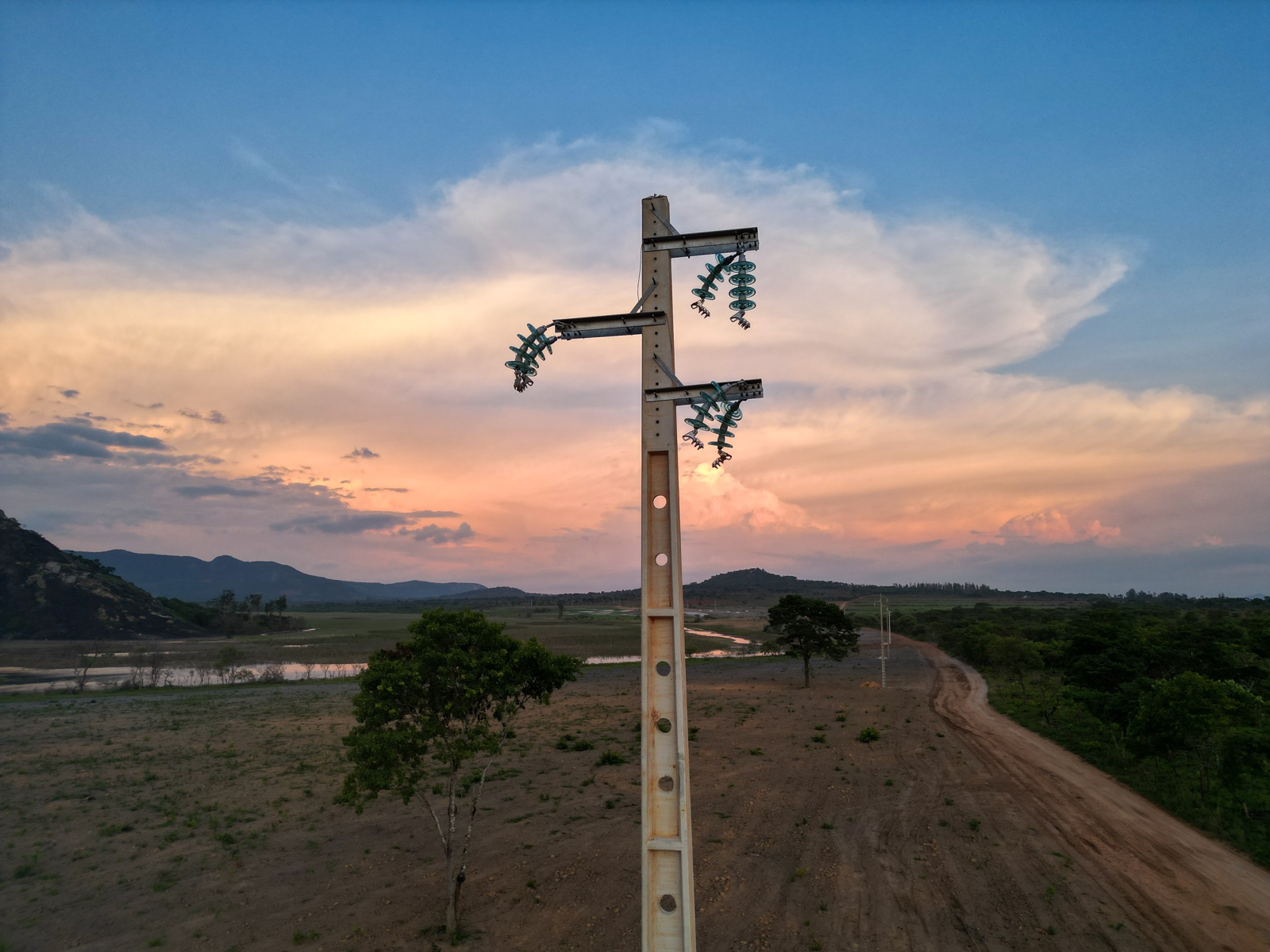
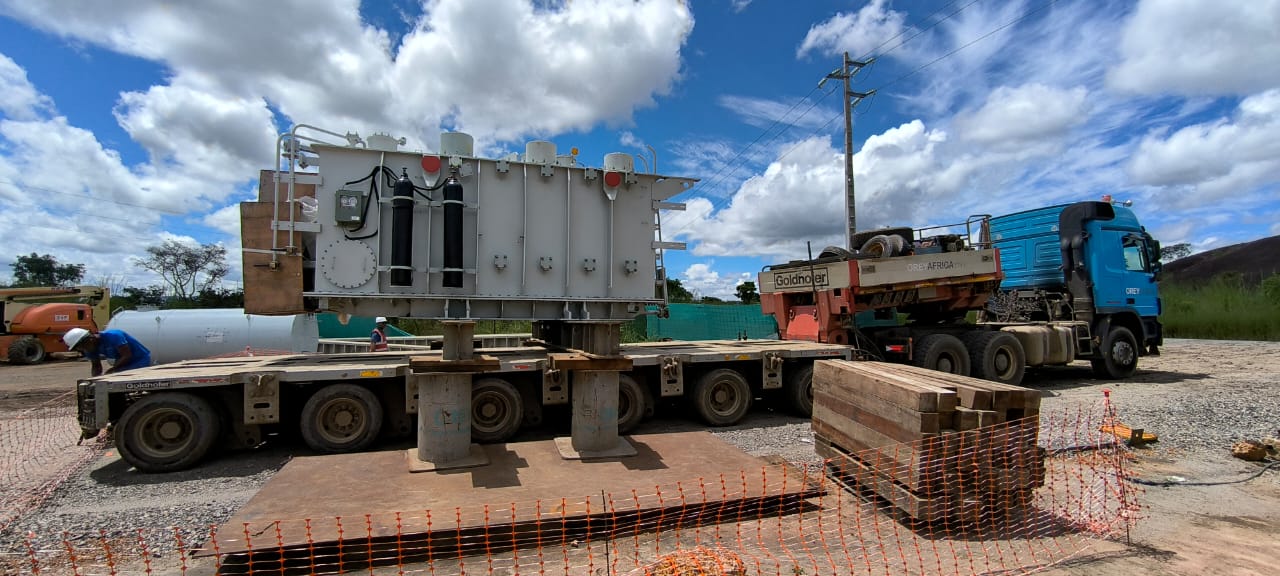

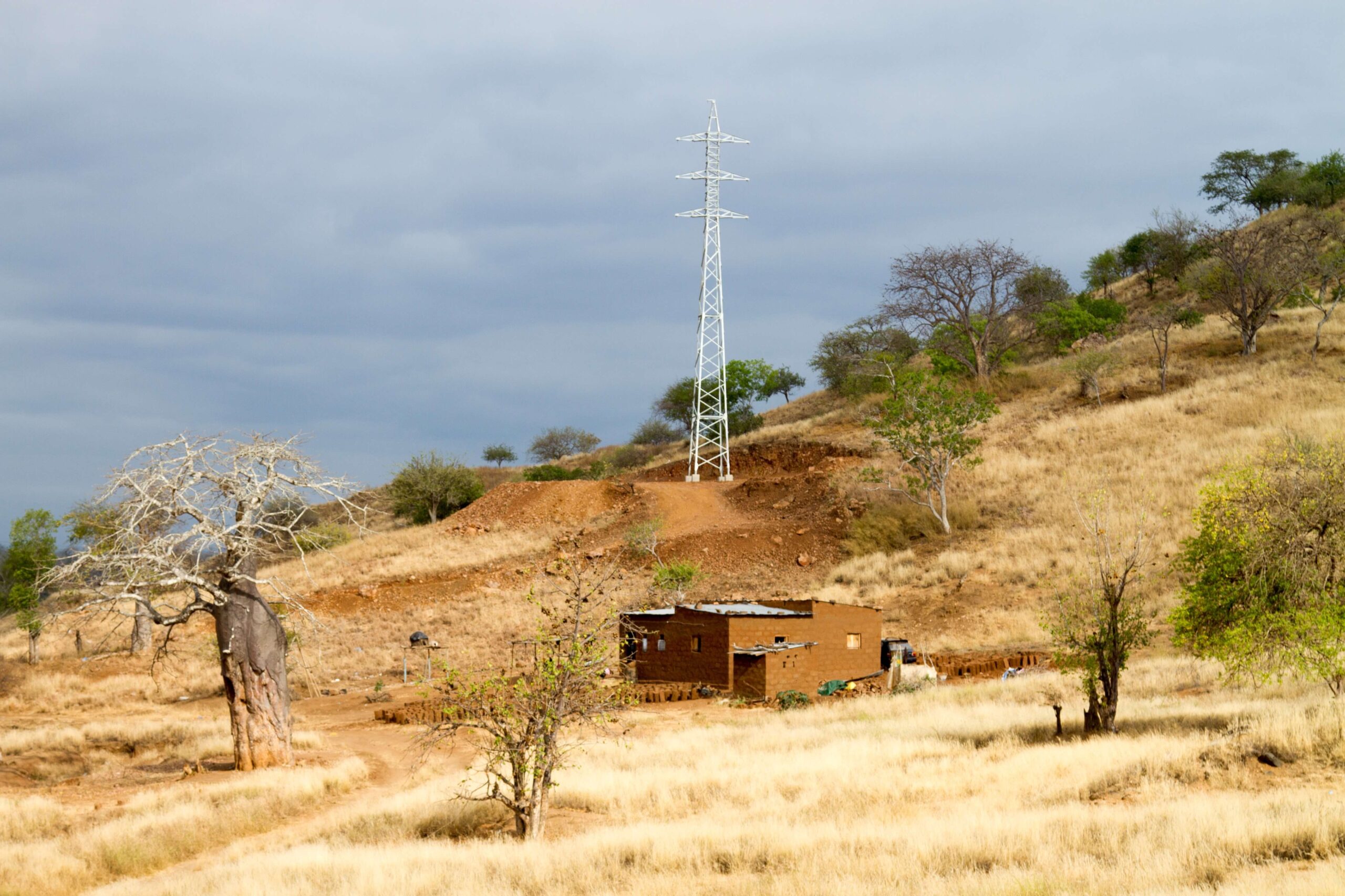
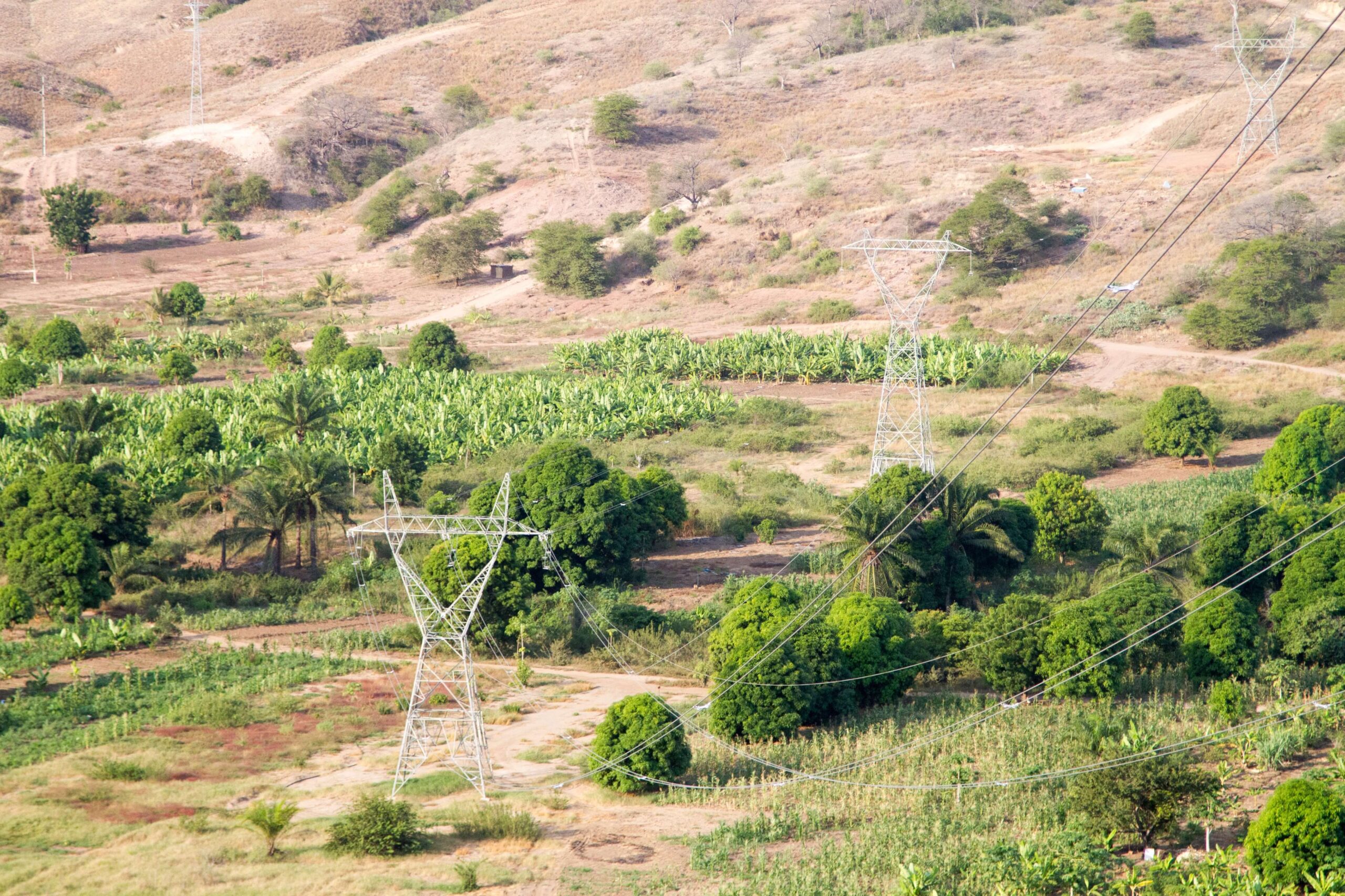
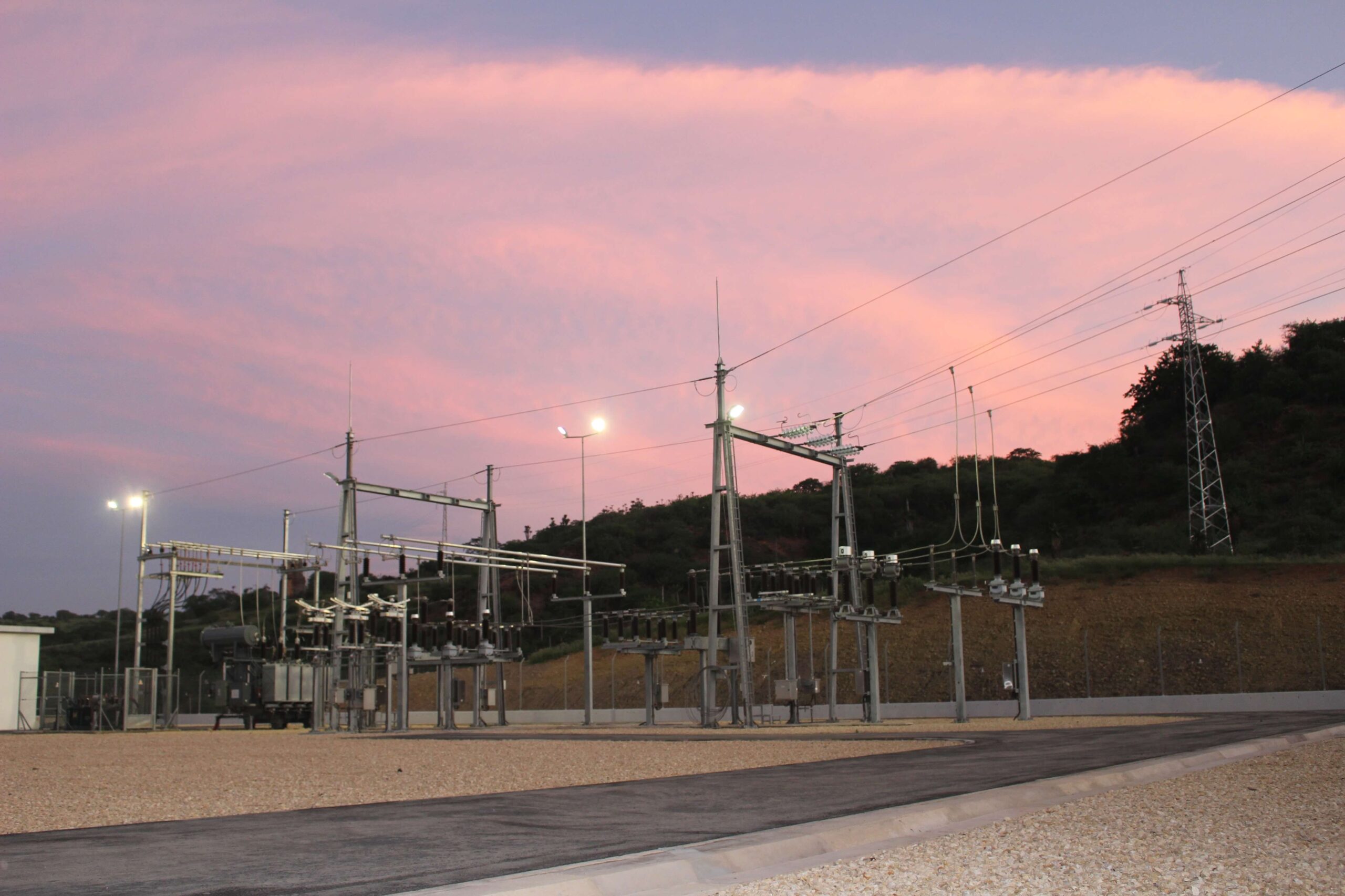
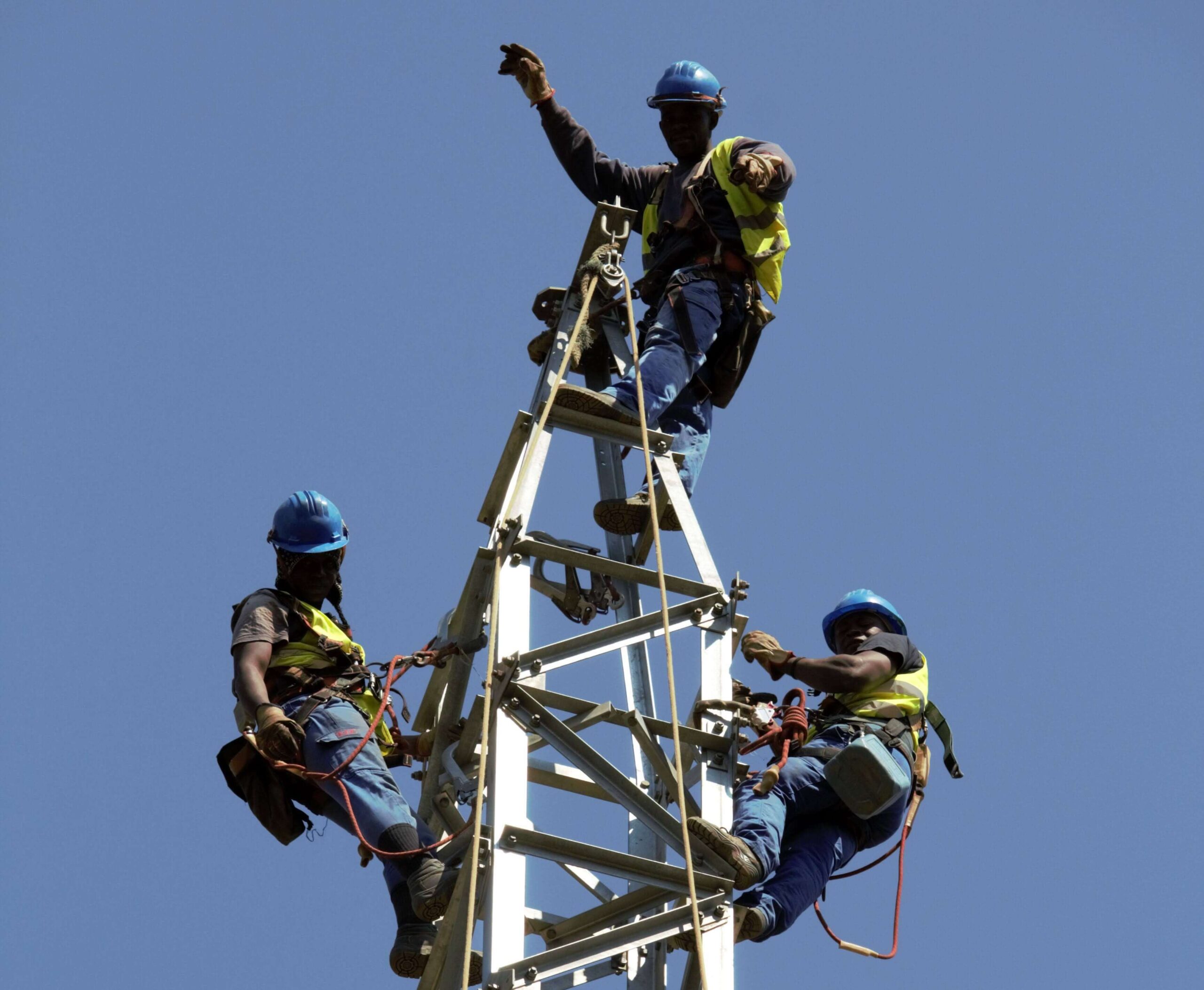
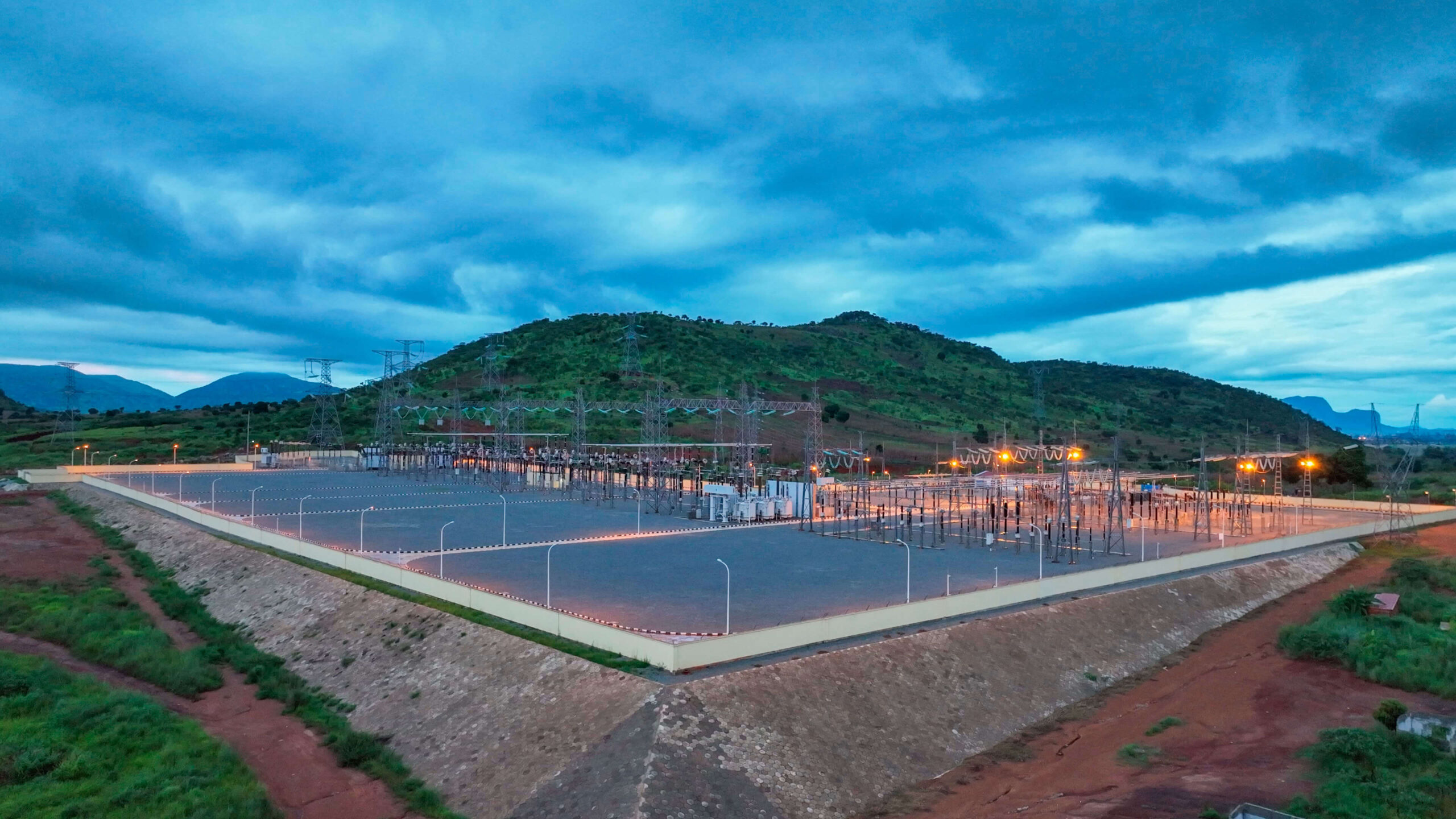
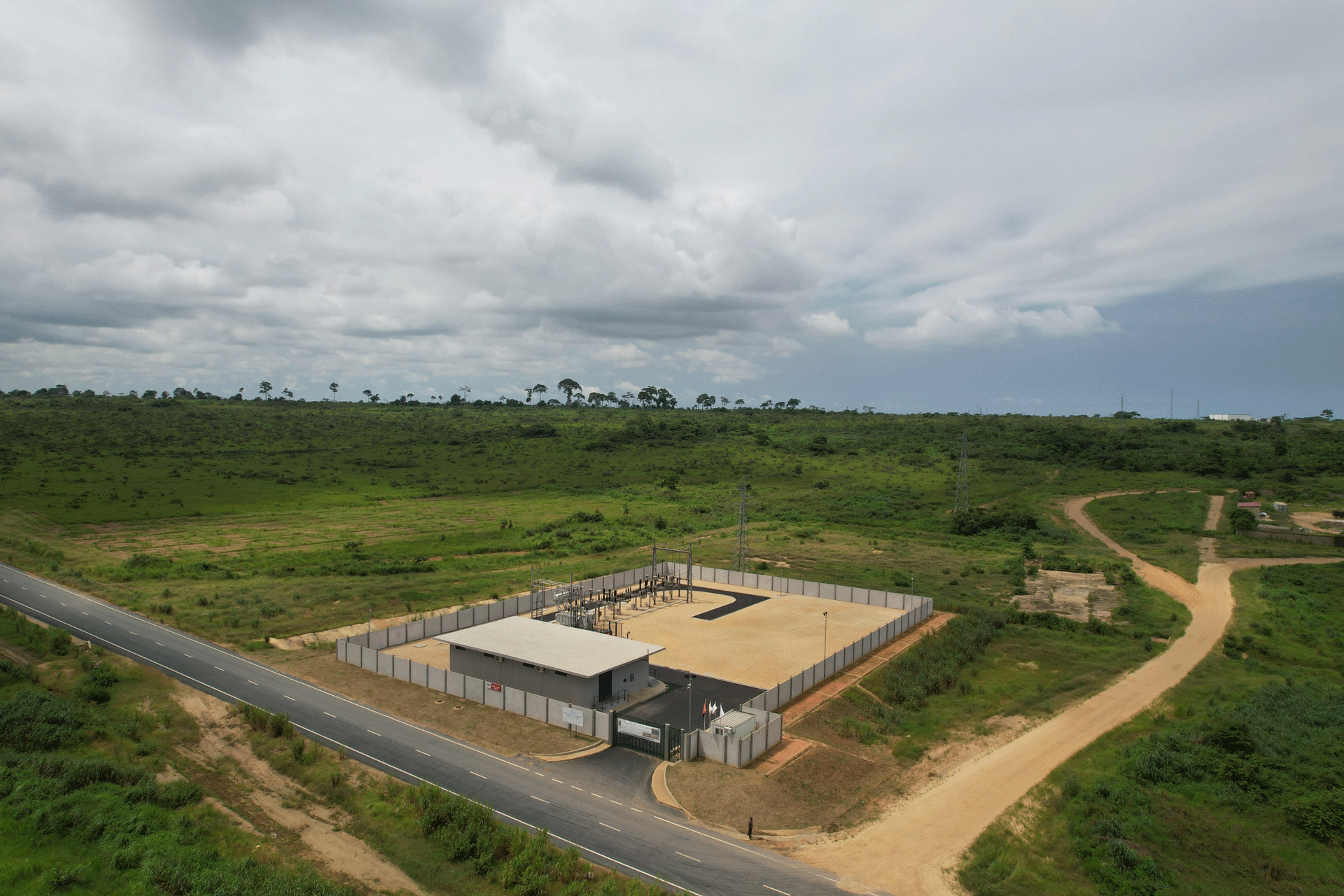
The project expands Angola’s national electricity network, deploying new transmission and distribution lines to bring reliable power to rural communities, schools, hospitals, and industries across Kwanza Sul. With 10 new substations designed using high-quality materials, it enhances the region’s energy infrastructure, improves quality of life, and supports sustainable economic growth.
- 385,000 families connected to energy
- 58,000 home connections
- 785M CO2 reduced annually
- 900 direct jobs created and 12,000+ indirect jobs
- 335+ MW increase and reinforcement of installed power


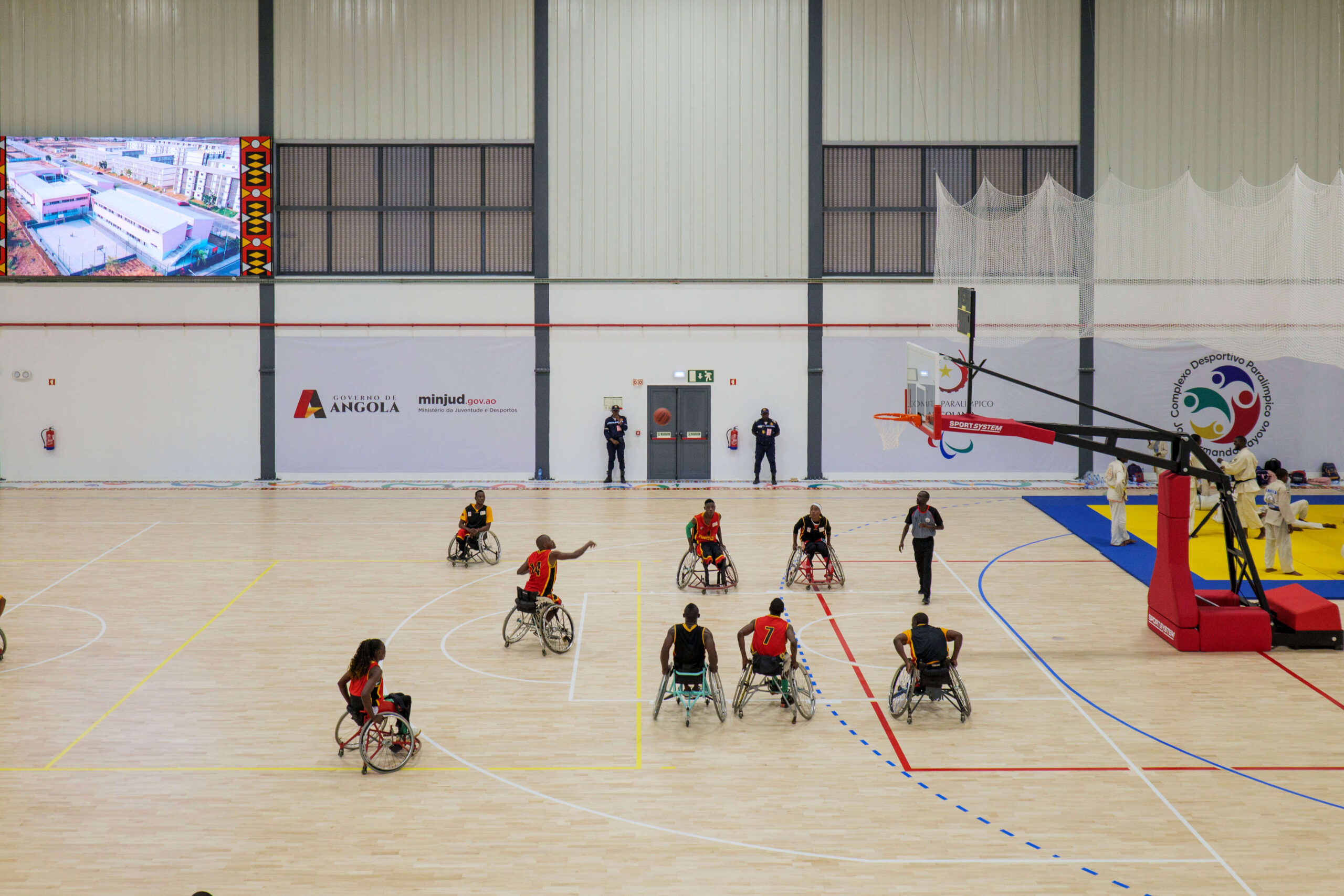
The Paralympic Sports Complex is a fully accessible, world-class facility designed for both Paralympic and conventional athletes.
Built to international standards, it provides world-class facilities that promote inclusion, athletic excellence, and community development, setting a new benchmark for sports infrastructure in Angola.
- 71,000 m² site
- 10,000 spectators
- 250 residential units
- 180 direct jobs created

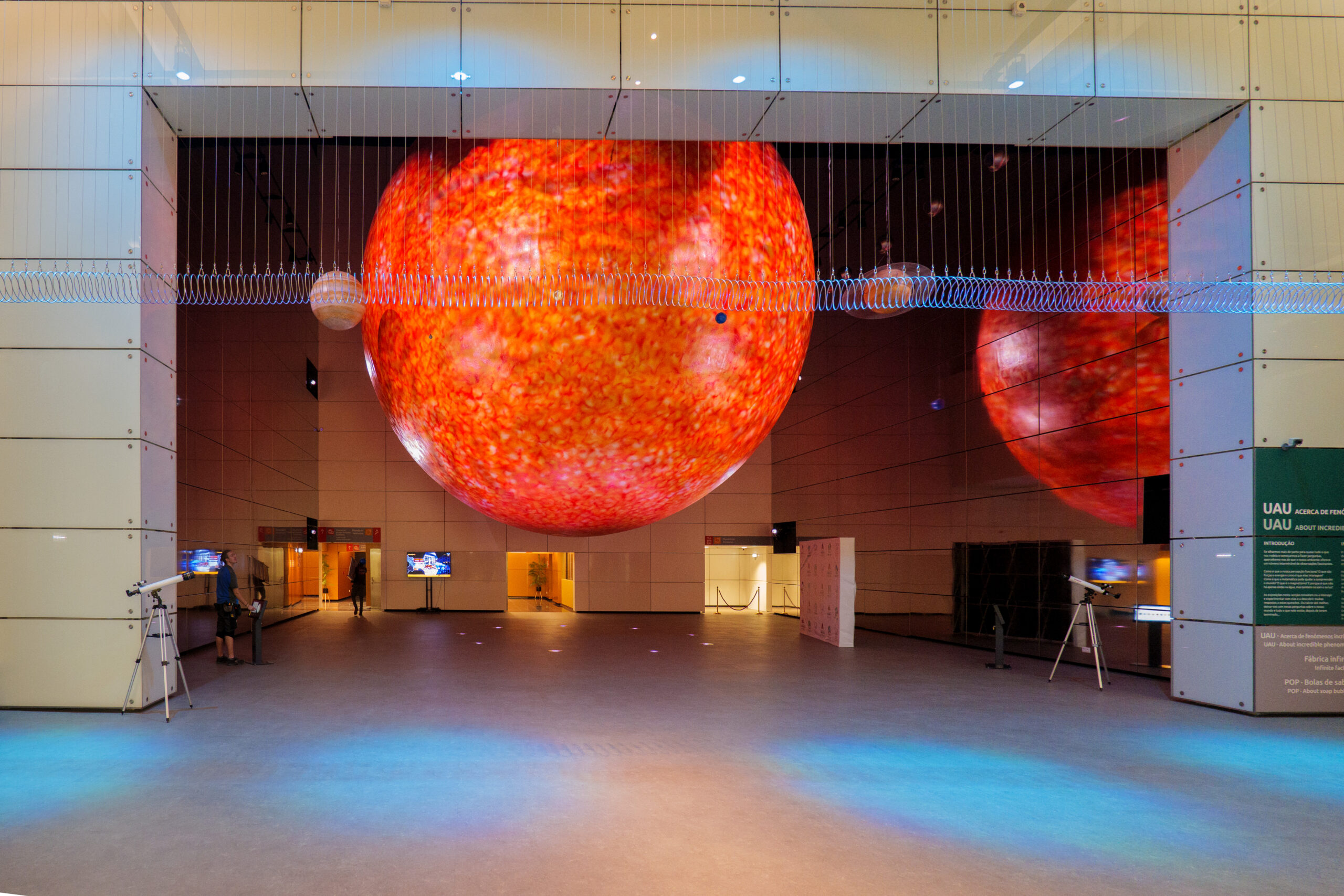
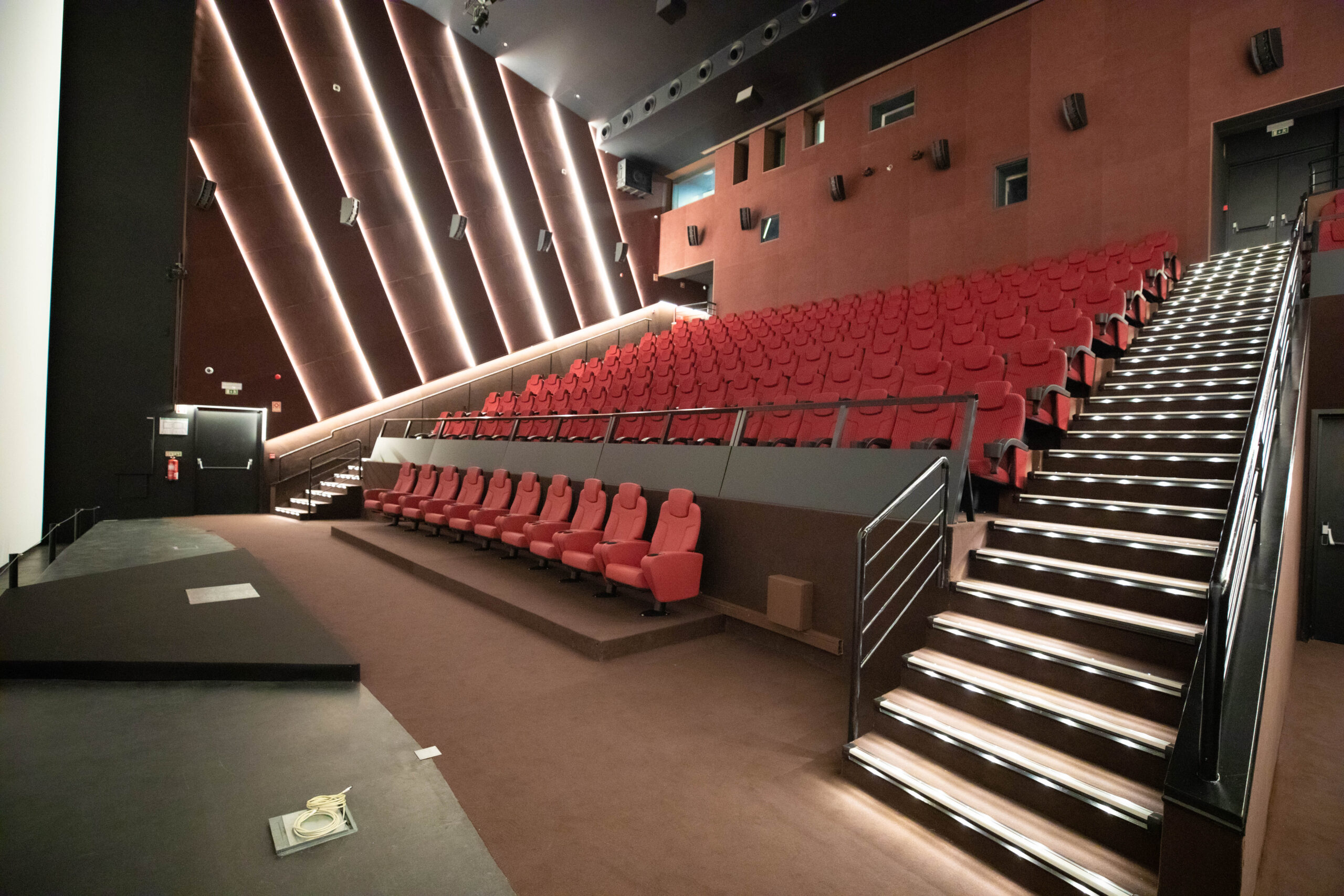
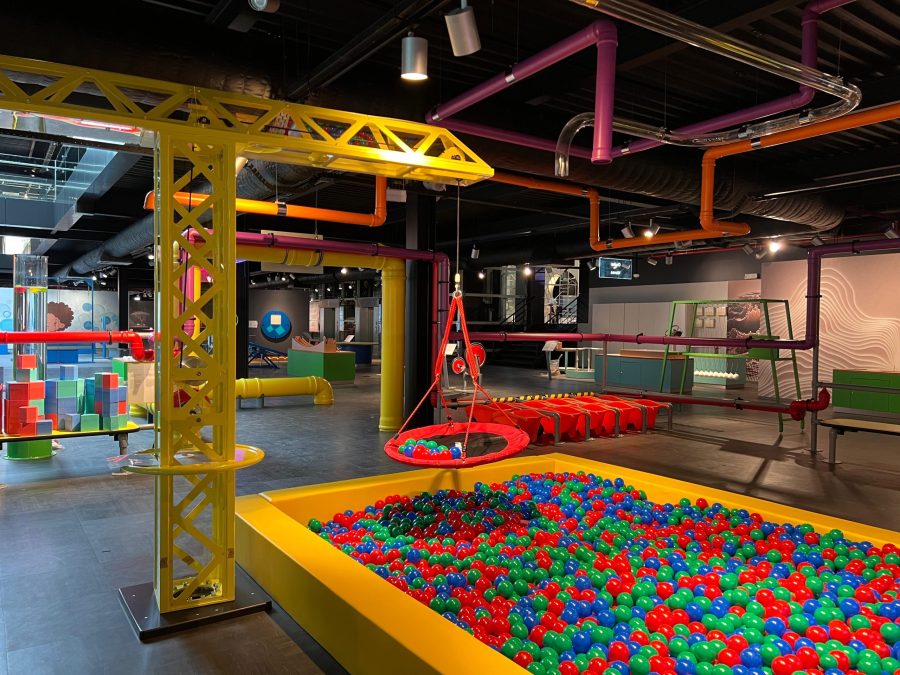
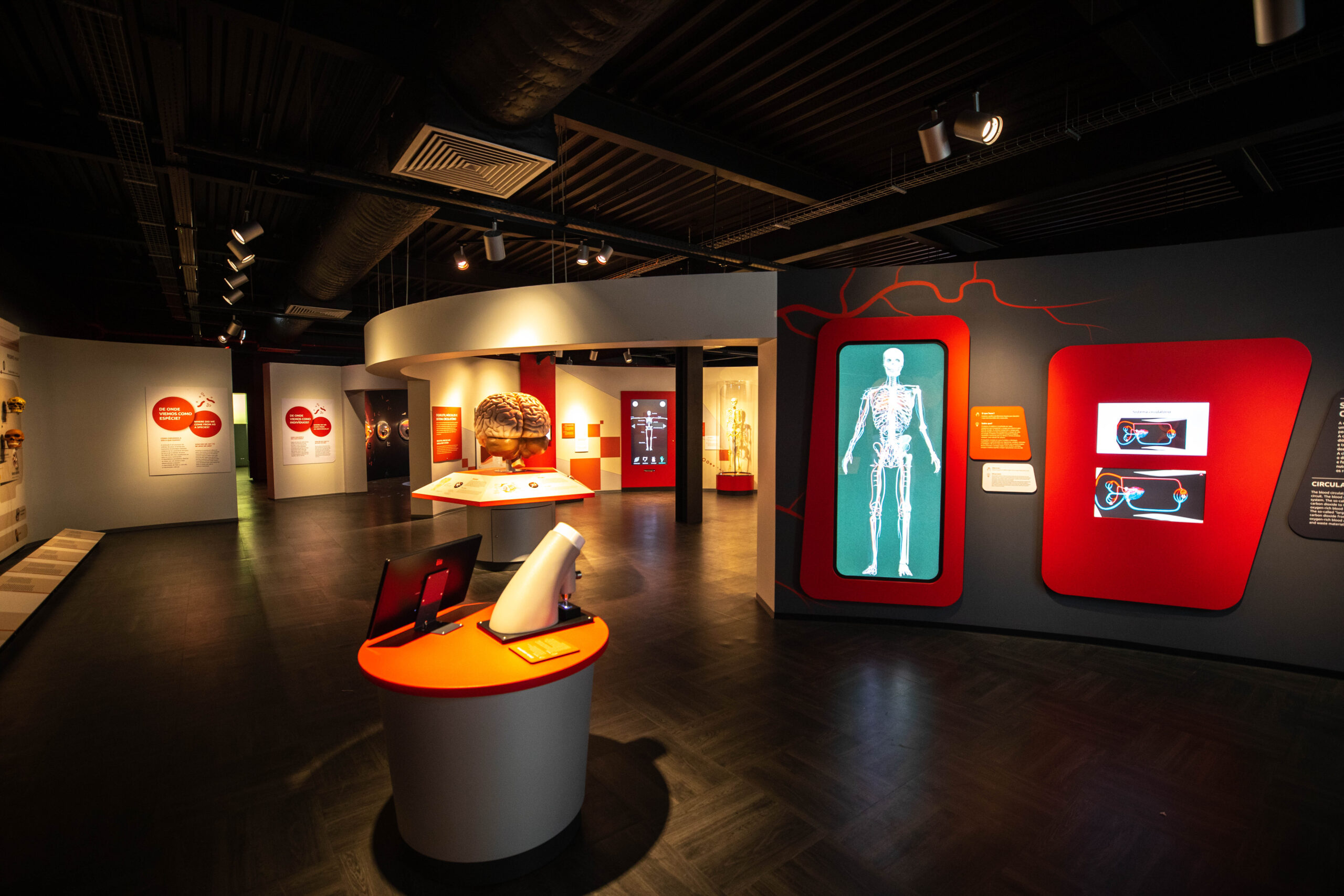
The Paralympic Sports Complex is a fully accessible, world-class facility designed for both Paralympic and conventional athletes. Built to international standards, it provides world-class facilities that promote inclusion, athletic excellence, and community development, setting a new benchmark for sports infrastructure in Angola.
- 71,000 m² site
- 10,000 spectators
- 250 residential units
- 180 direct jobs created


The project will expand and modernize Luanda’s water supply system through the rehabilitation of major treatment plants, new decentralized units, desalination facilities, and boreholes. With 9,000 water meters to improve efficiency and over 9 million people set to benefit, it will deliver cleaner, more reliable water and strengthen the foundations for sustainable urban growth.
- 5 million beneficiaries
- 4 major Water Treatment Plants to be rehabilitated
- 2 Compact Decentralized Units
- 6 Desalination units will be installed
- 15 new boreholes will be drilled
- 9,000 water meters will be installed to improve monitoring and management
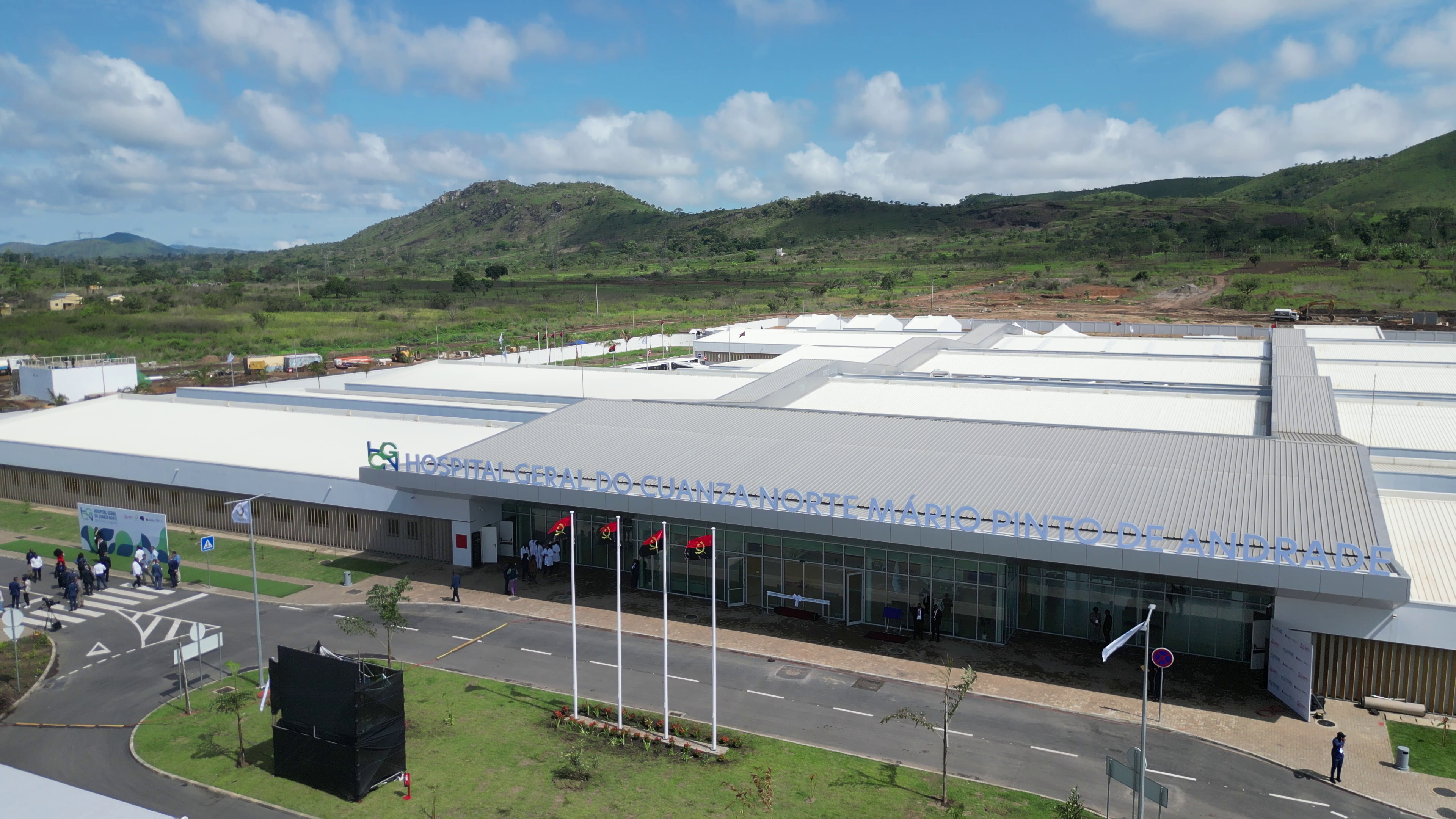


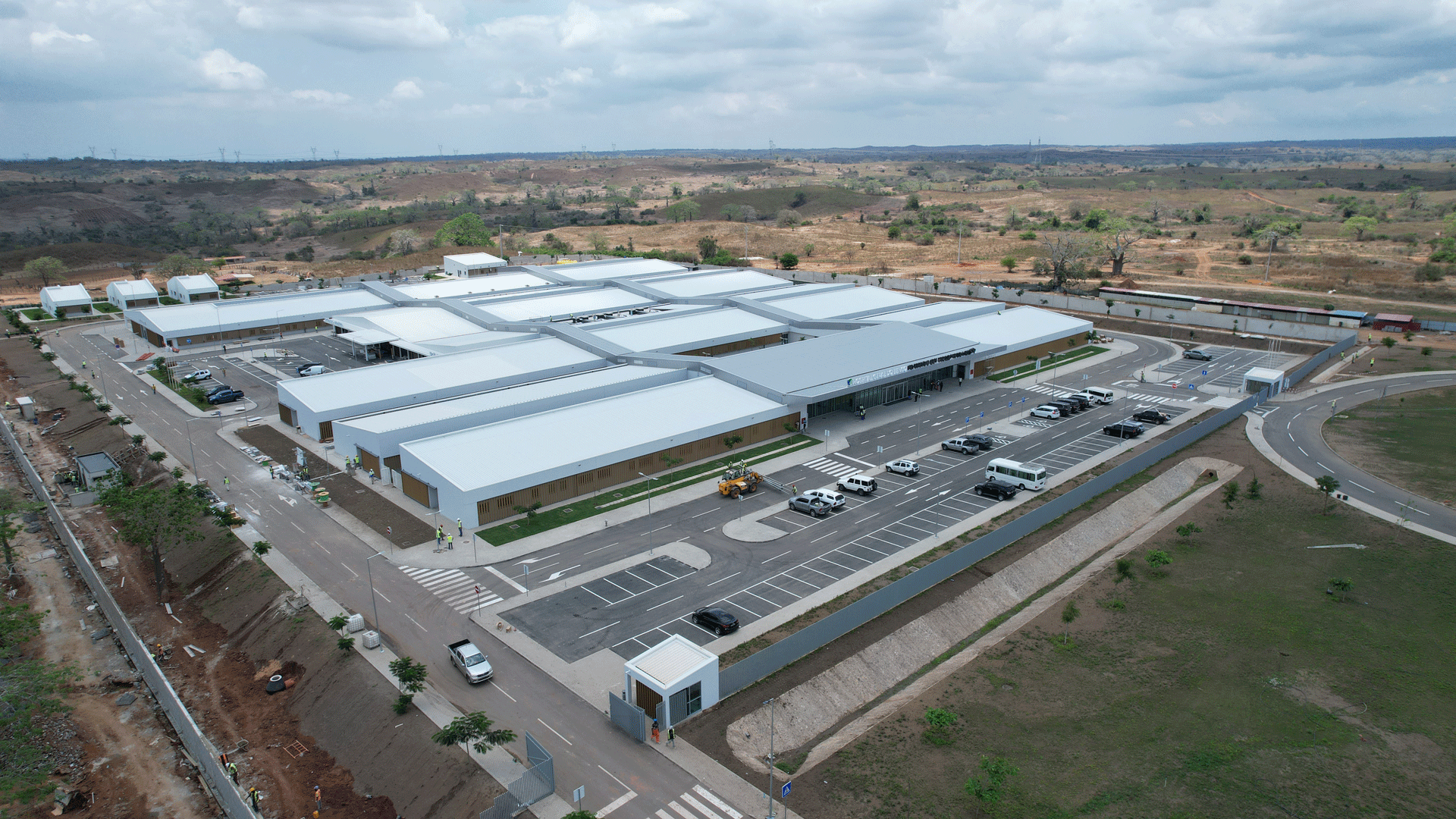
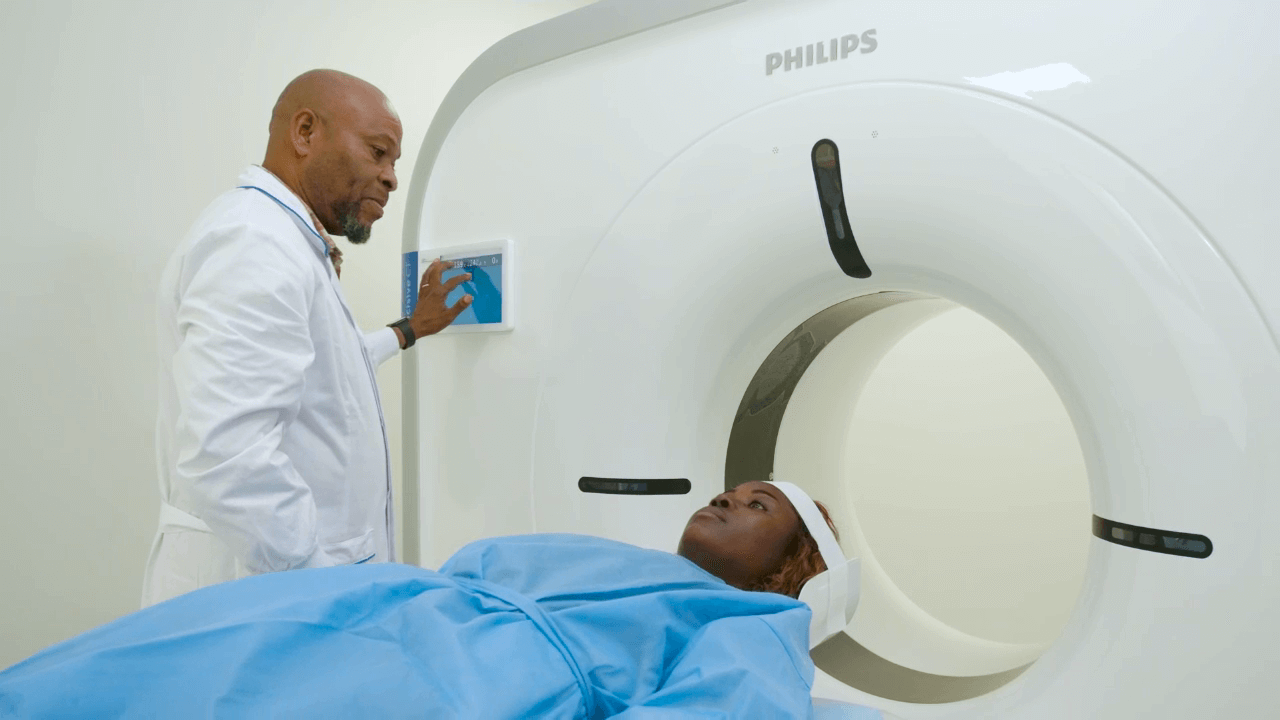
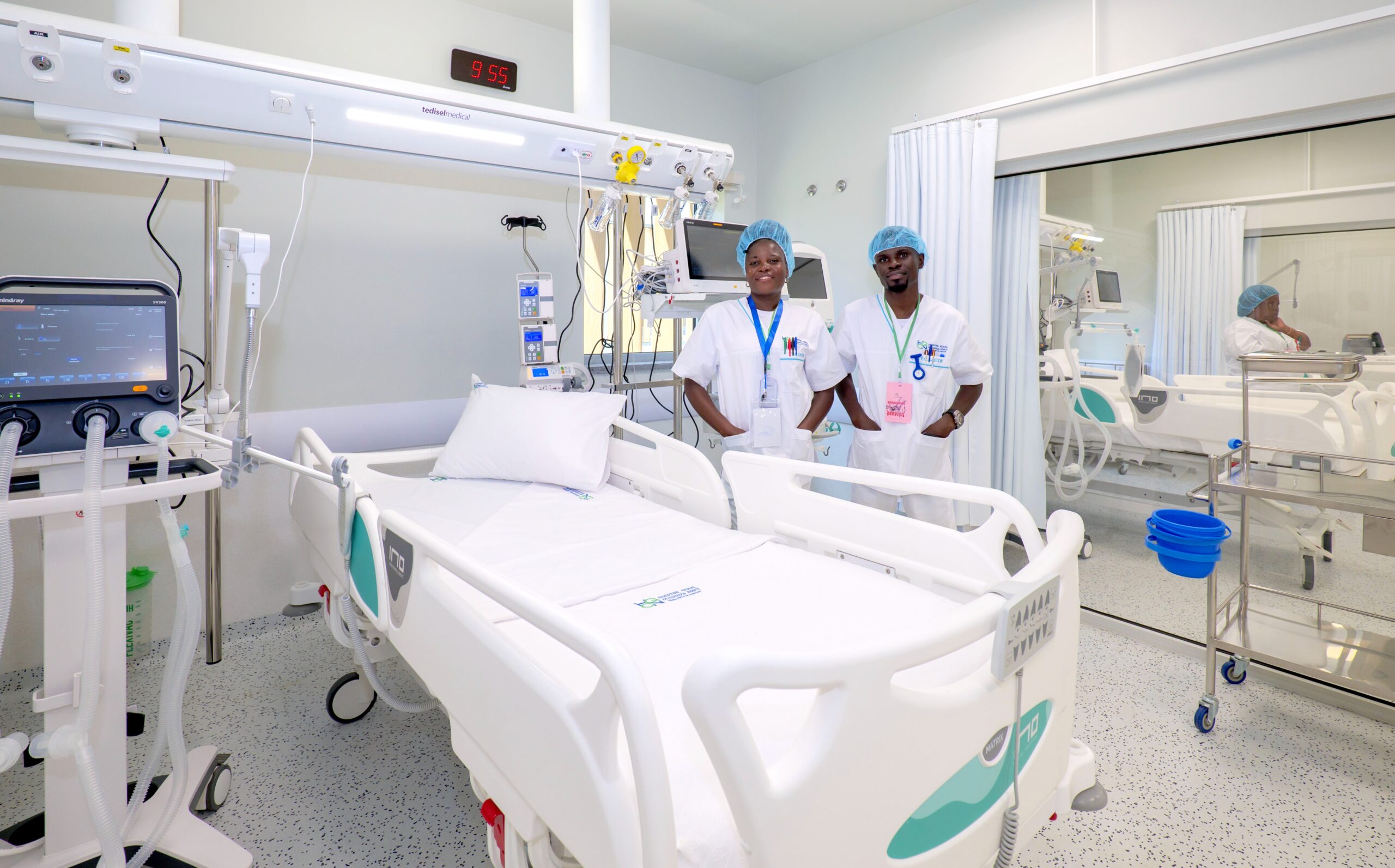
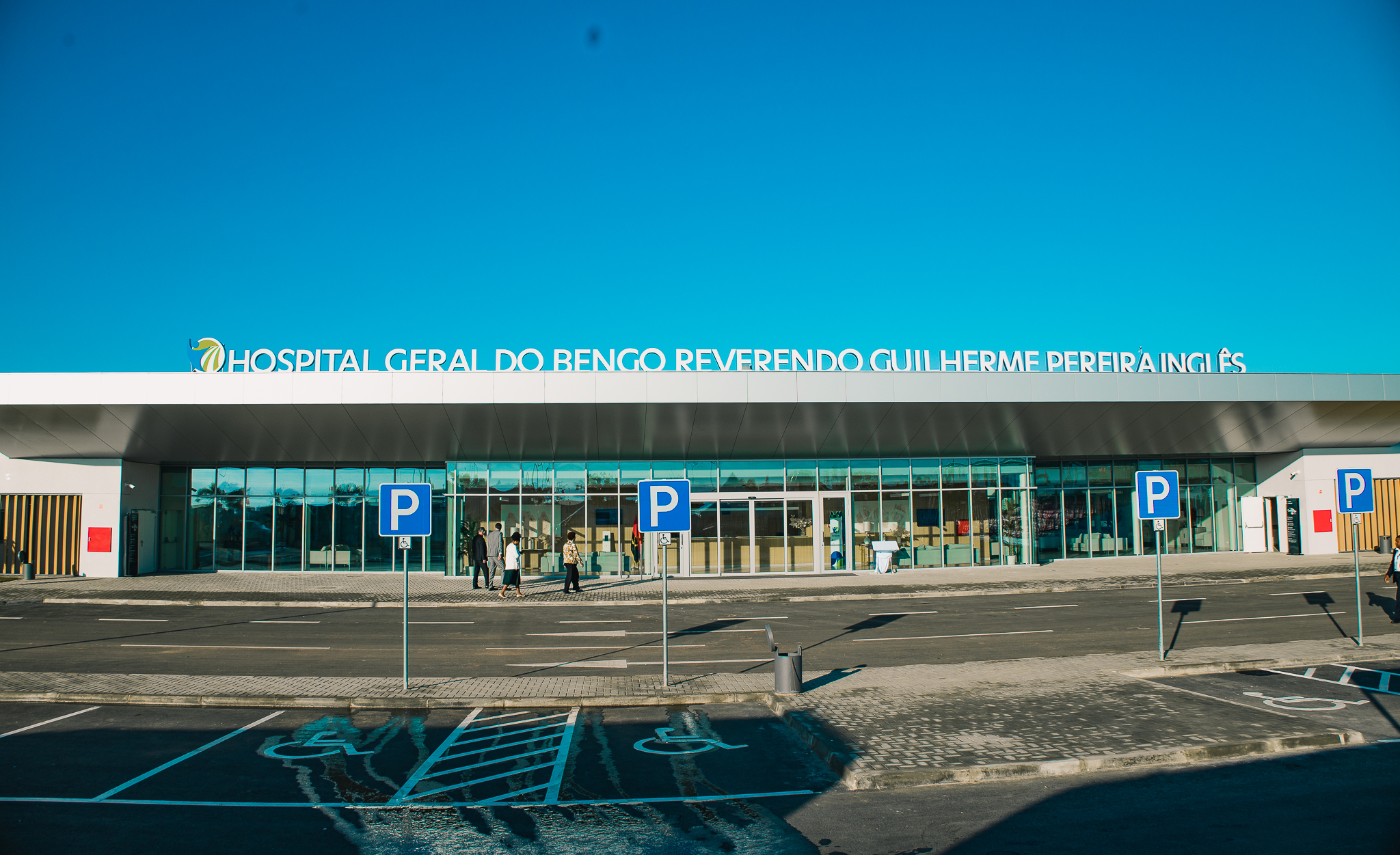
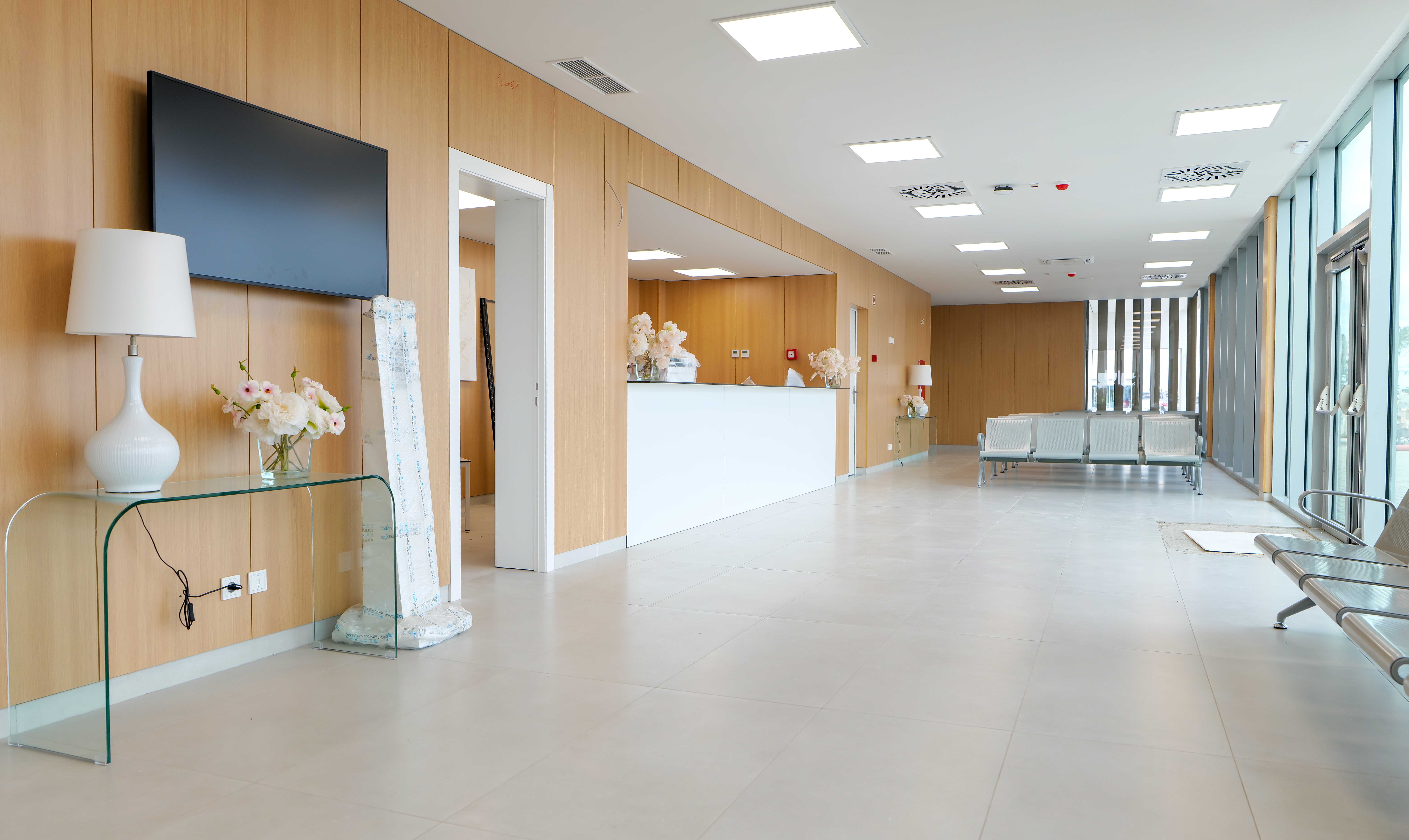
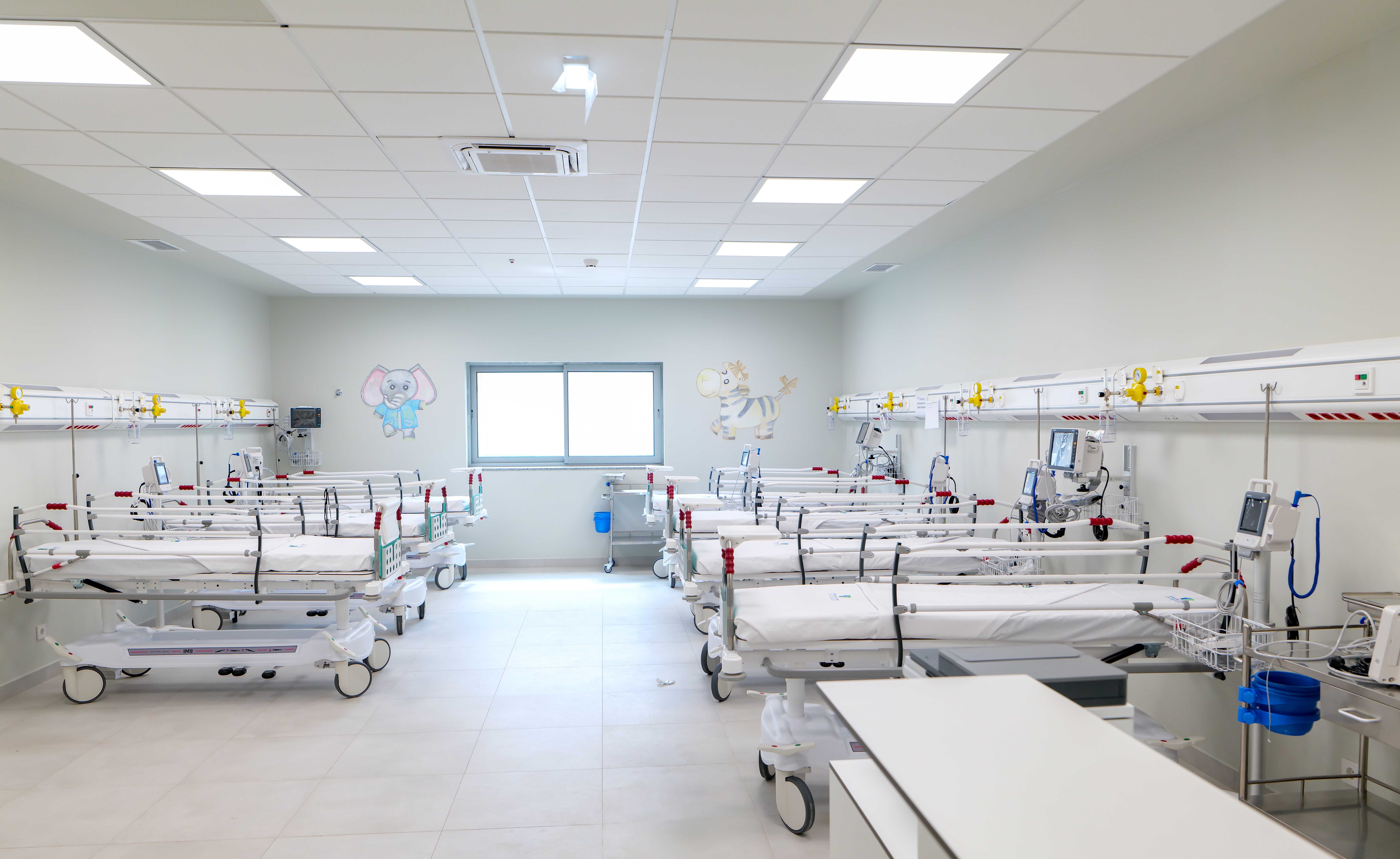
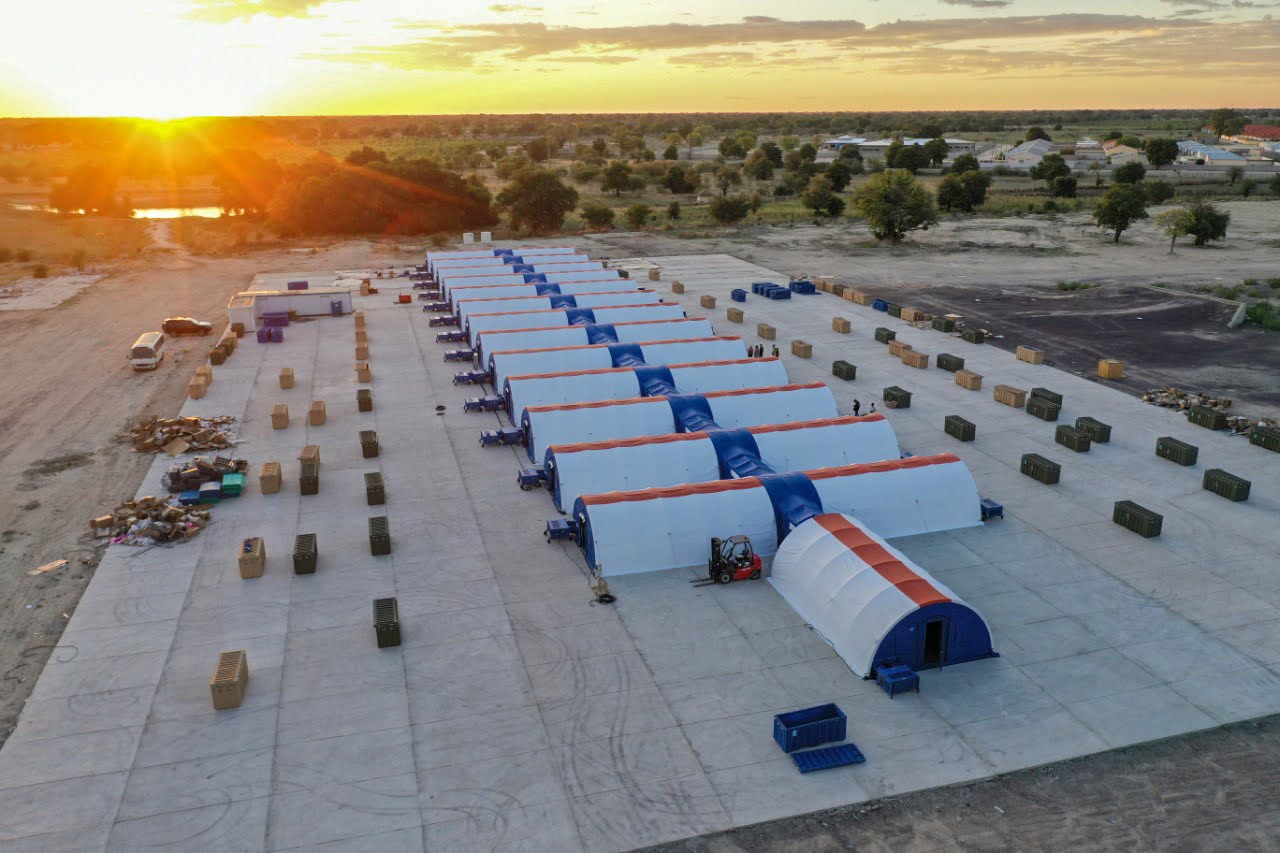
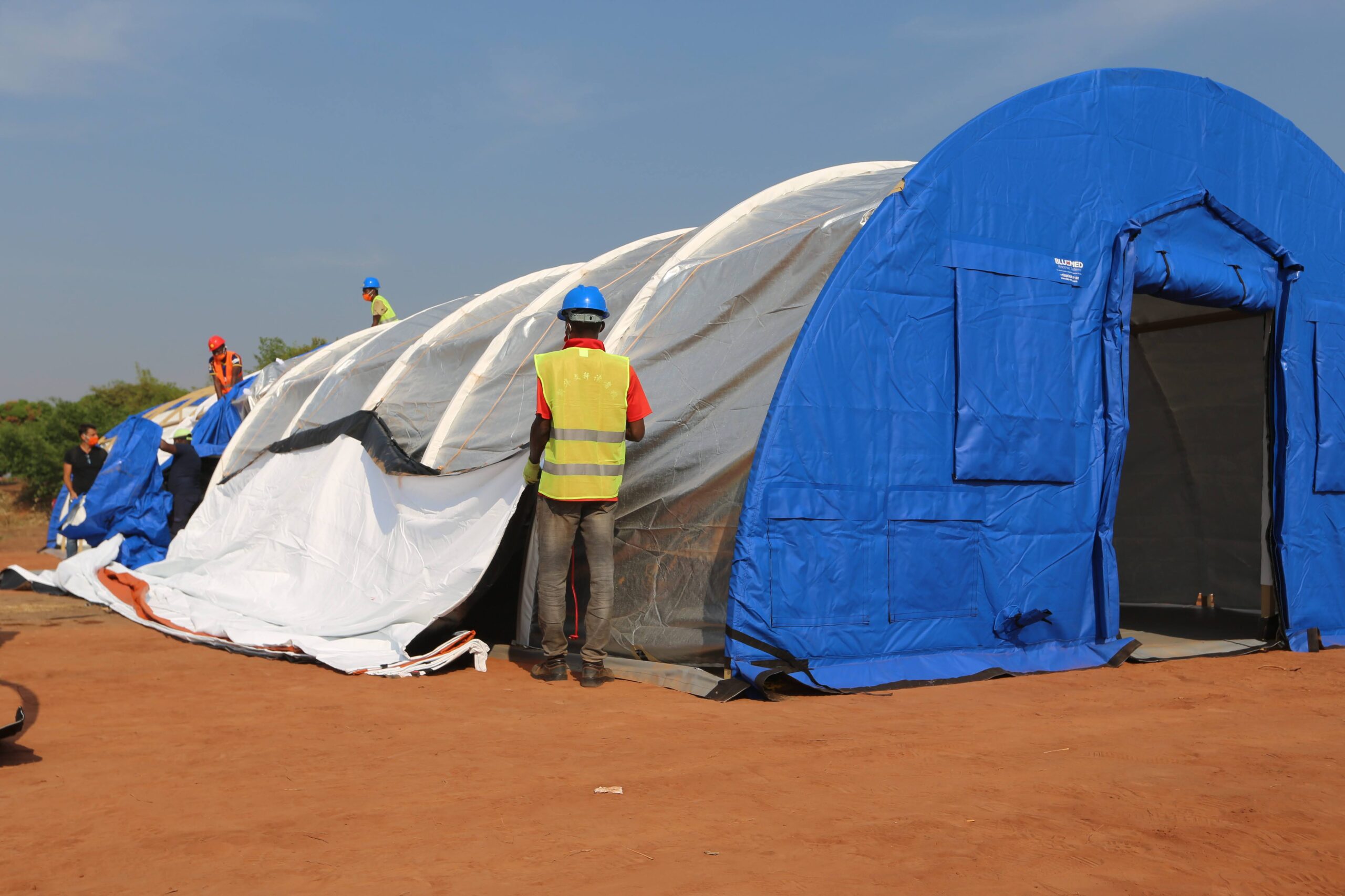
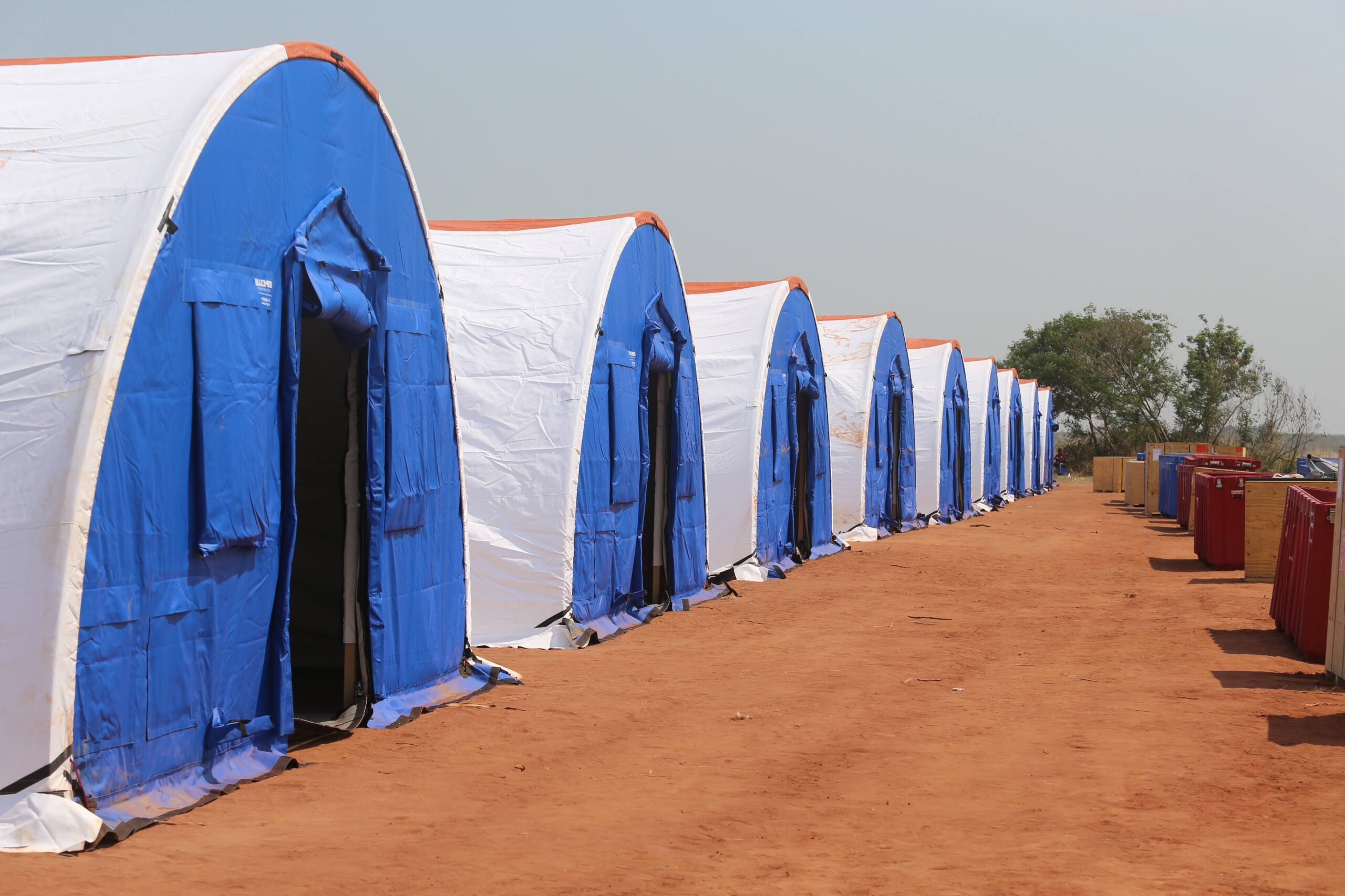
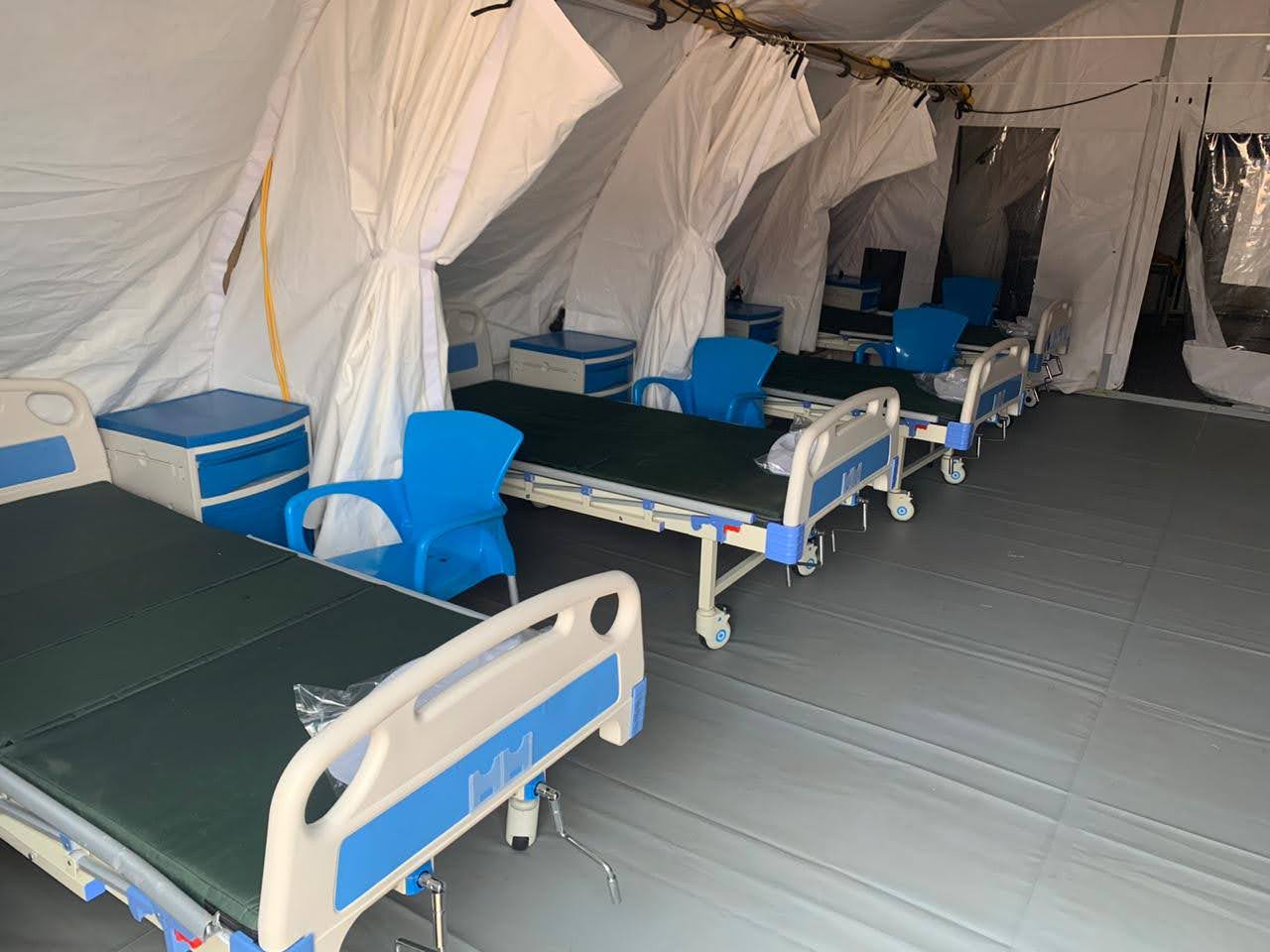
Three modern regional hospitals were developed and delivered in Angola, expanding access to quality healthcare for millions. Equipped with advanced technology and comprehensive medical services, these facilities have transformed healthcare delivery across the country. More than medical infrastructure, they stand as investments in Angola’s future — driving economic growth, creating jobs, and strengthening a sustainable national health system.
- 3 new regional hospitals 4.5 million+ people benefiting from improved healthcare
- 600+ hospital beds across all facilities
- 3,400+ healthcare professionals employed
- 15 medical specialties available


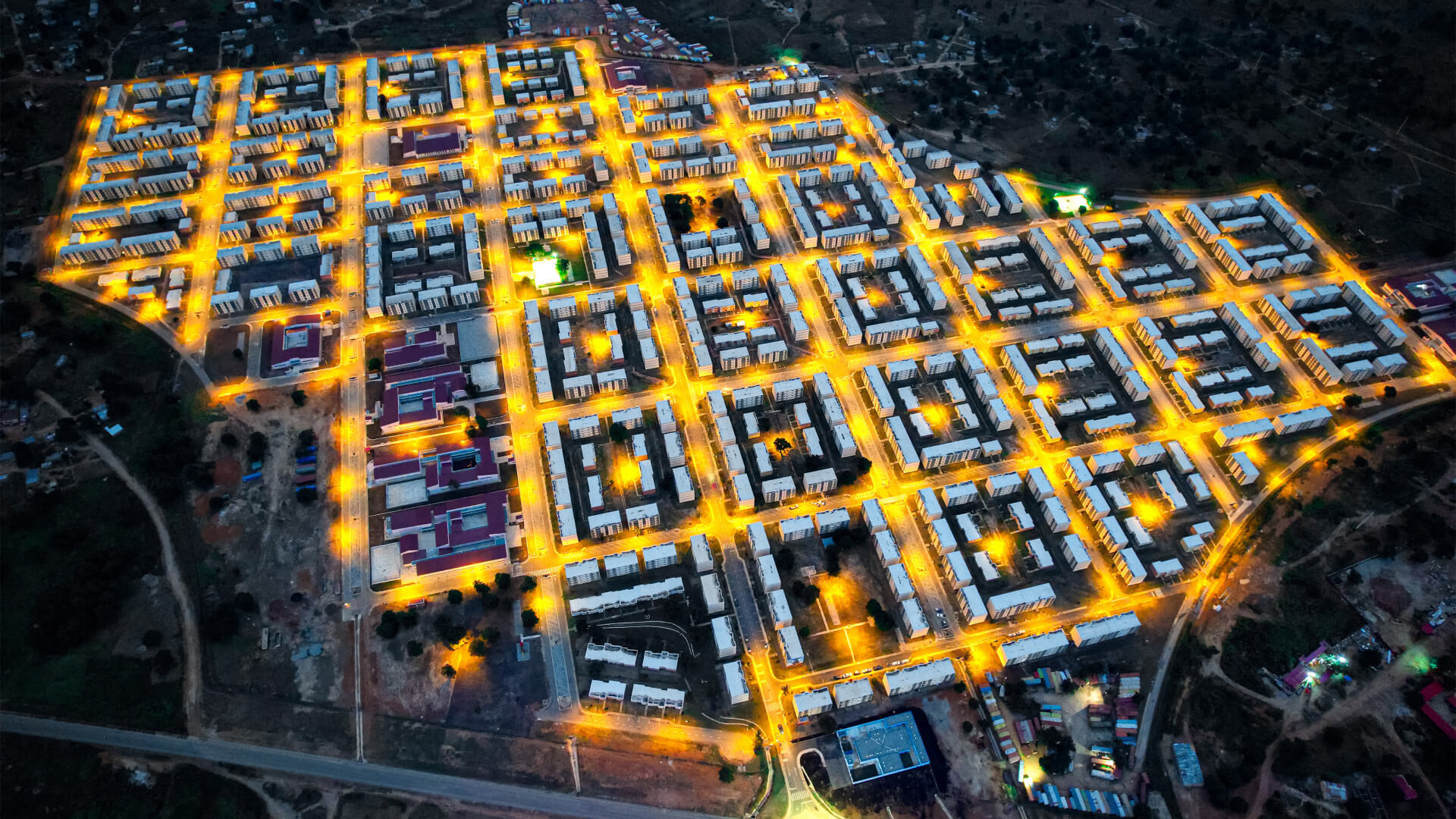
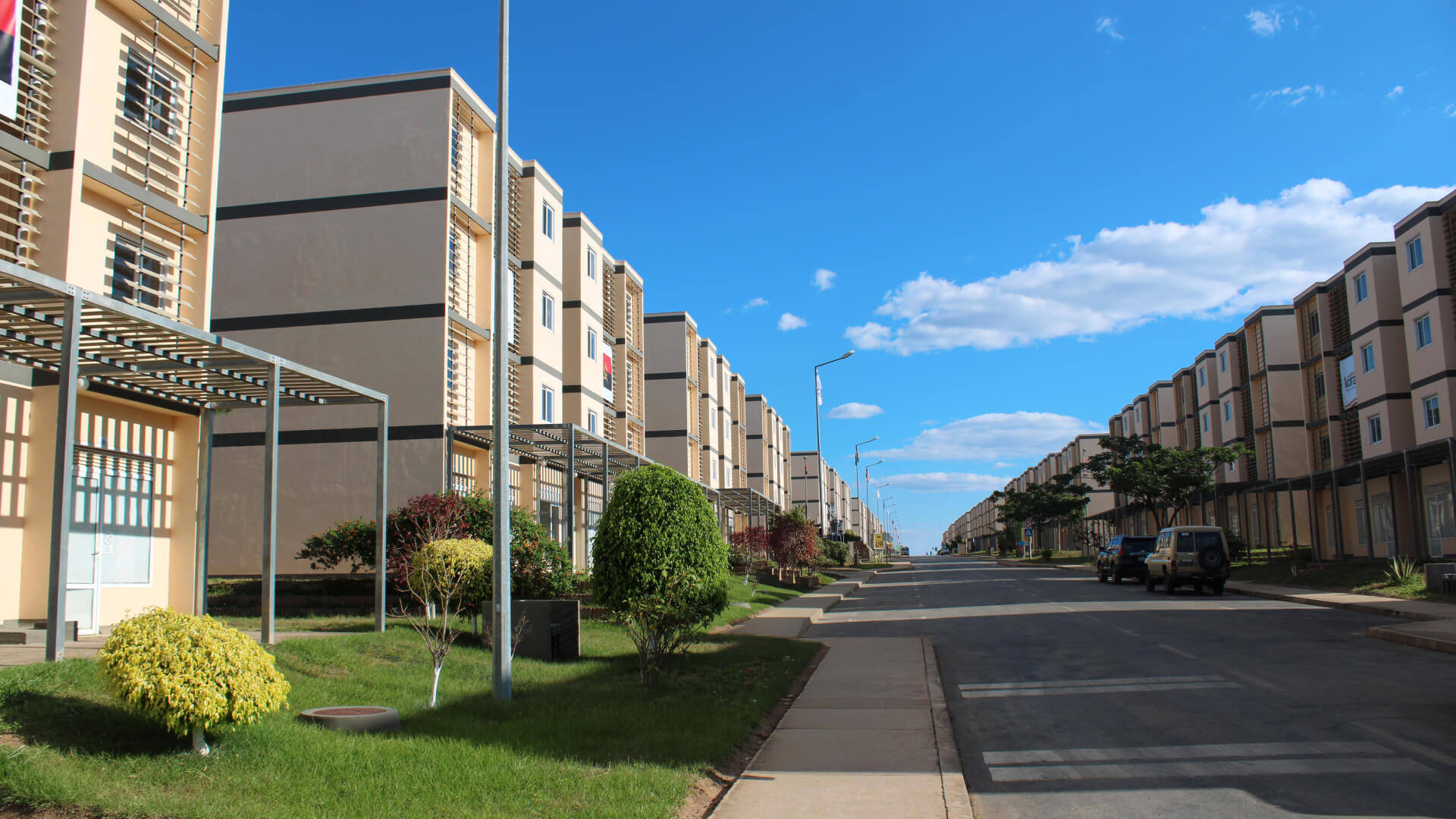
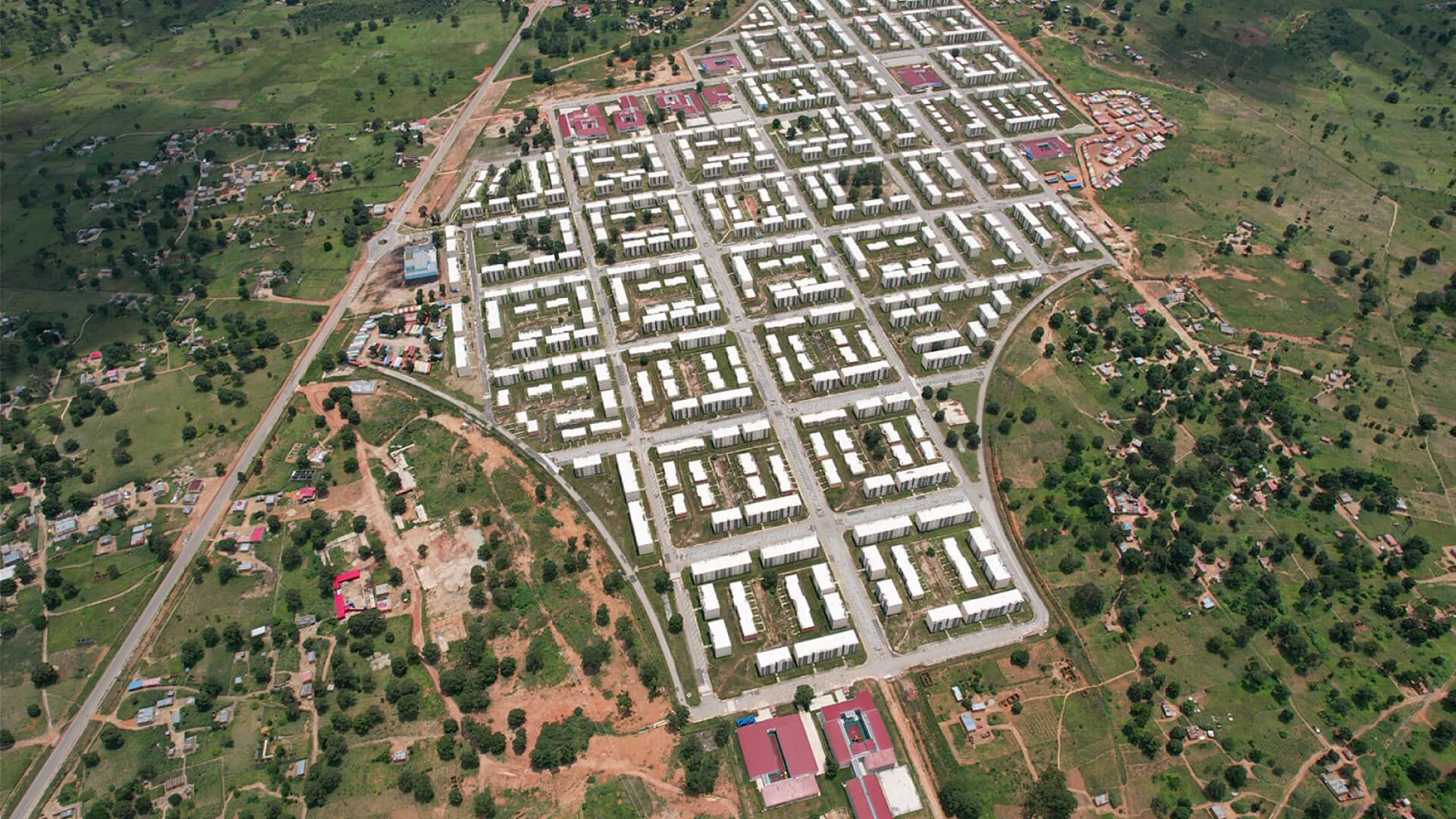
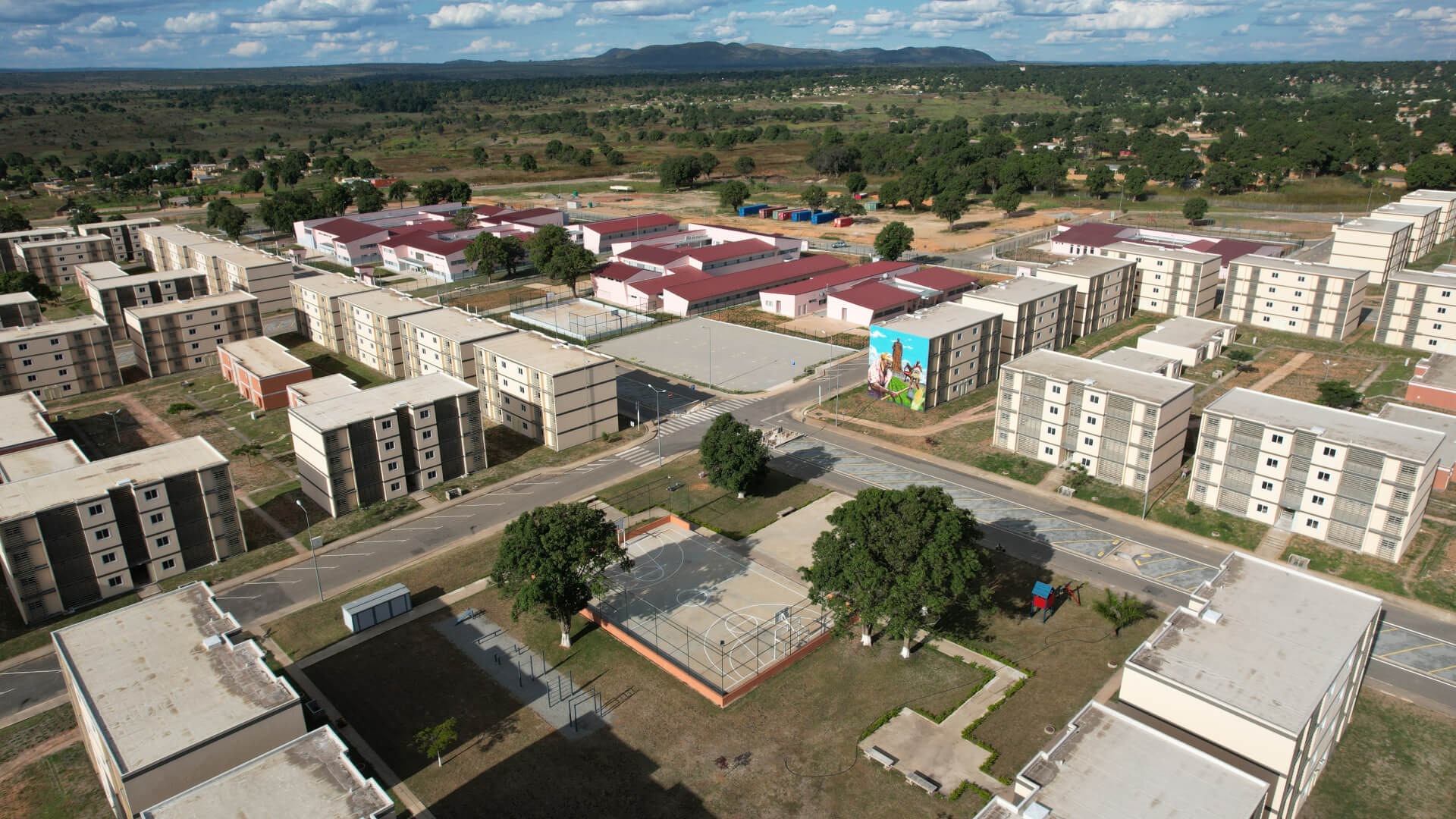
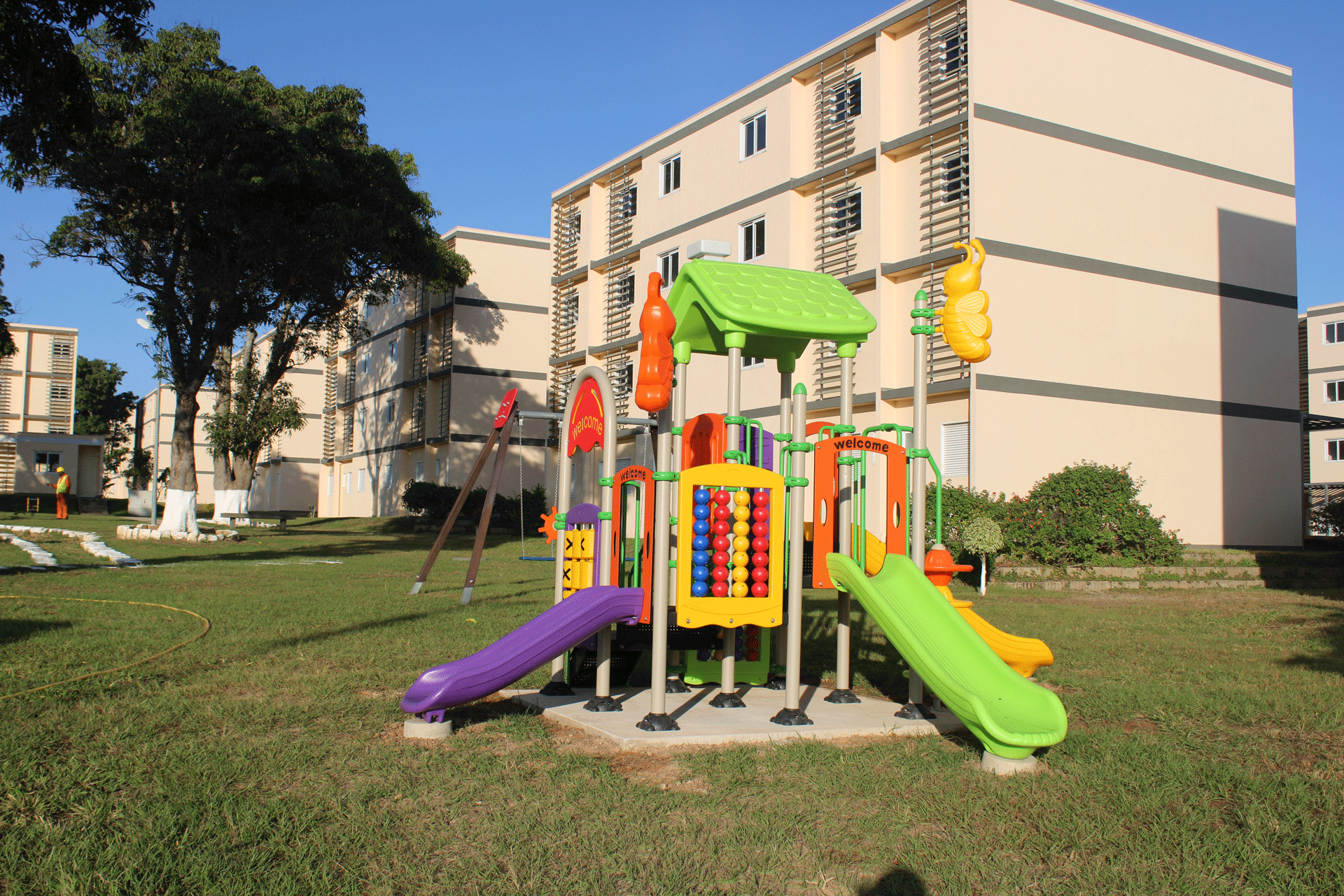
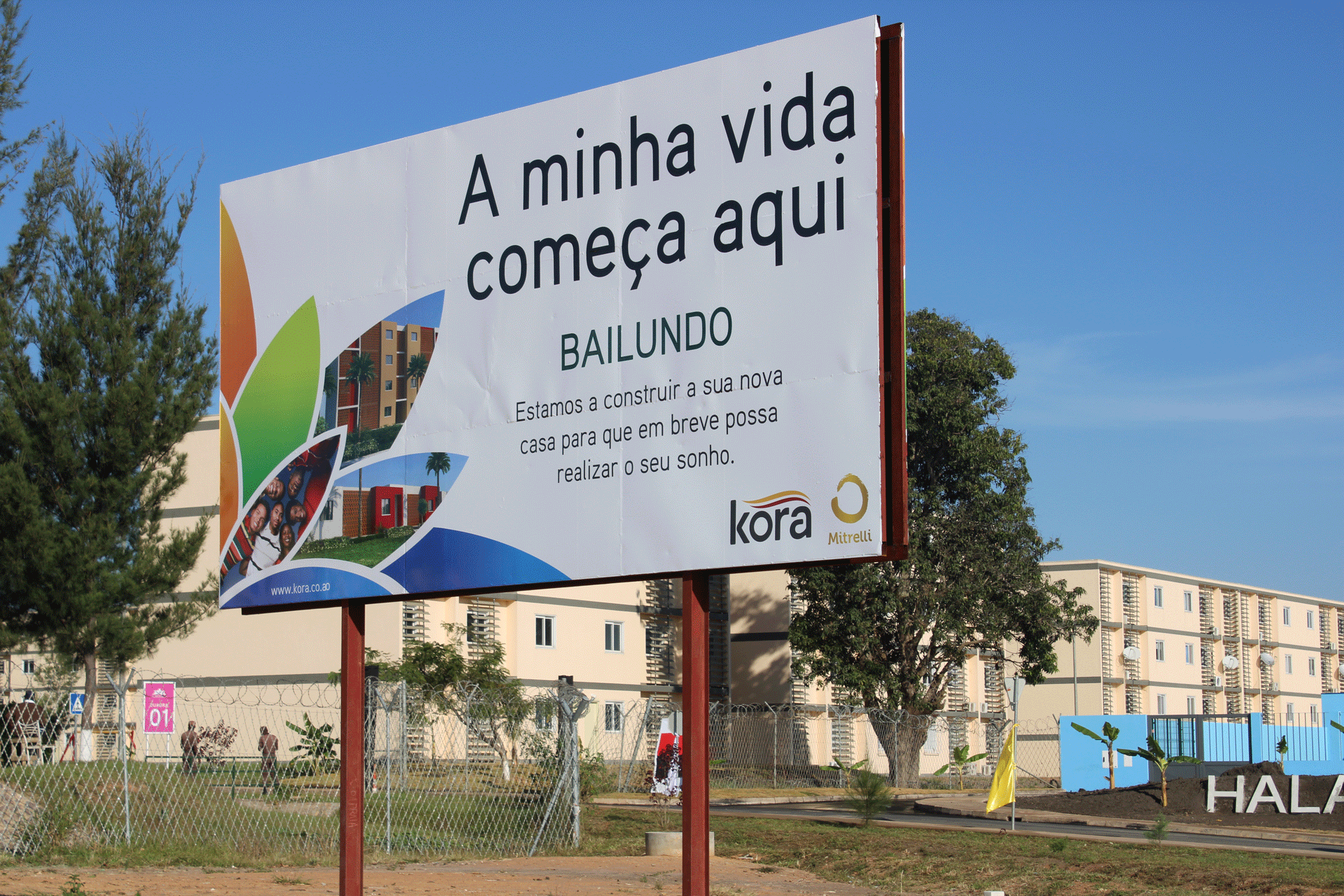
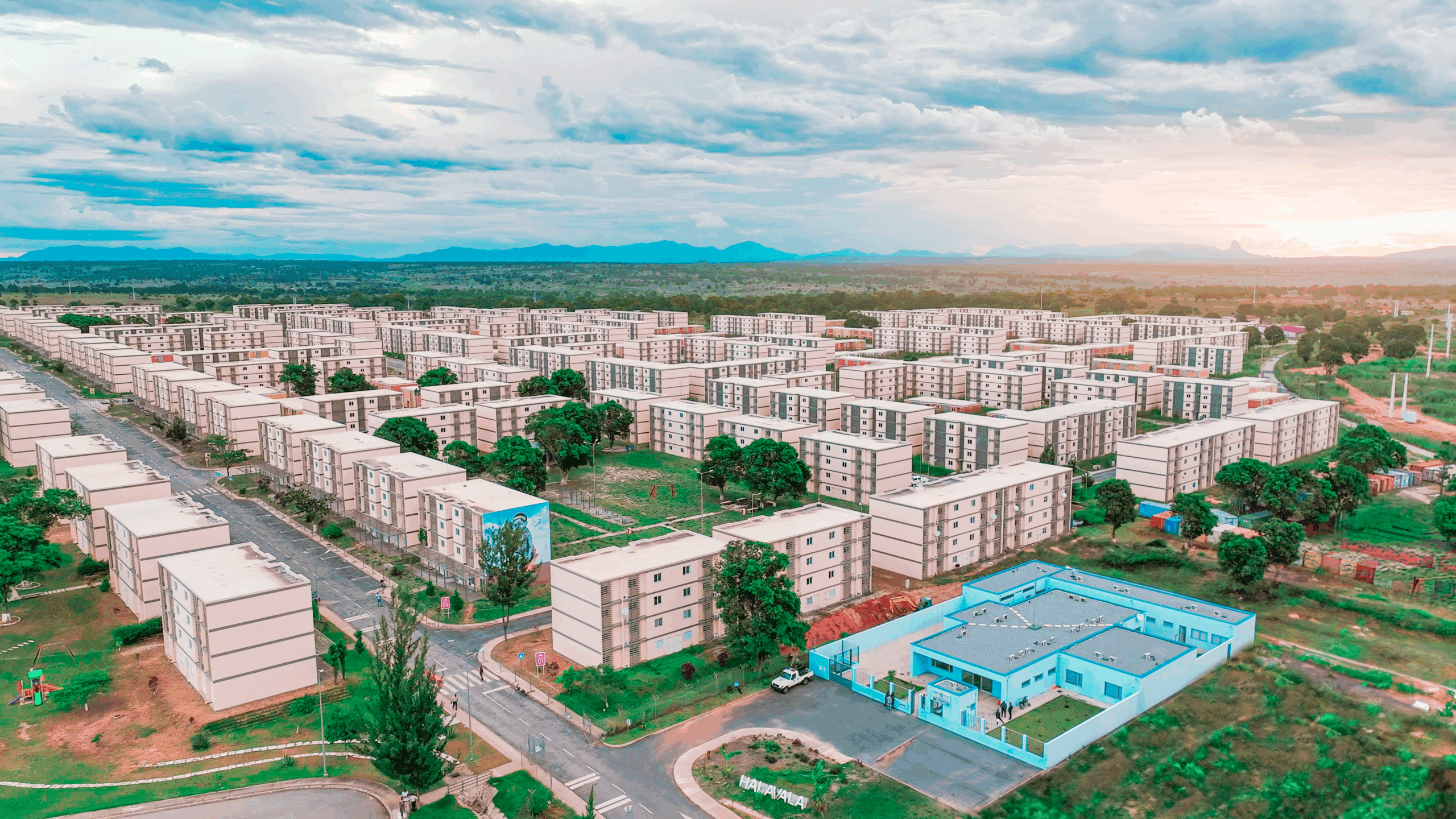
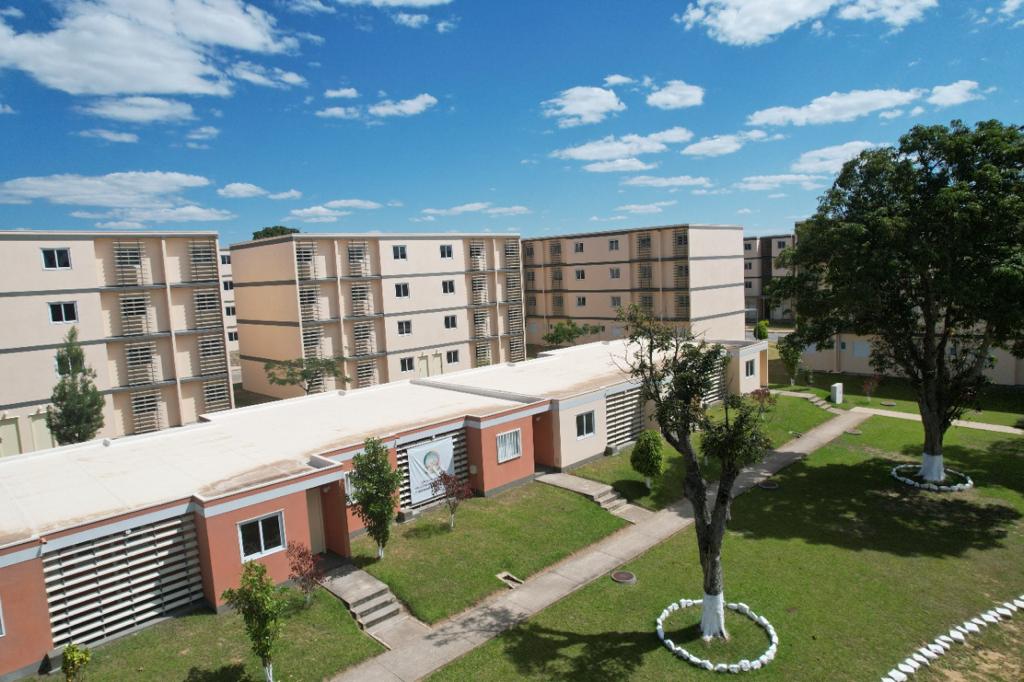
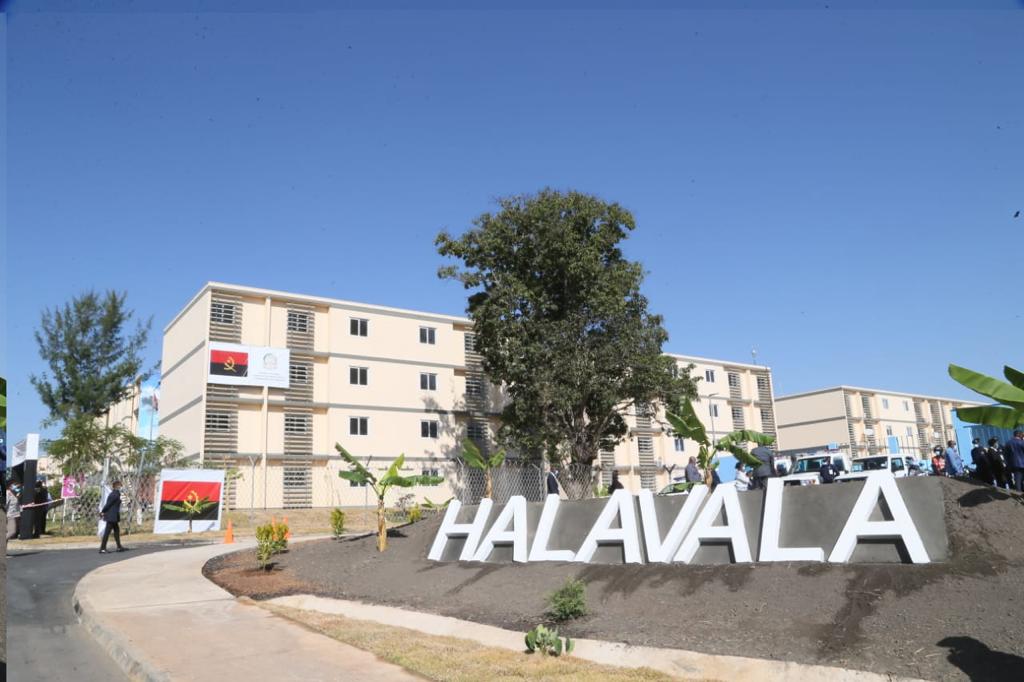
The Halavala Centrality project in Huambo Province created a modern, sustainable urban community integrating housing, commerce, and essential public services. Through comprehensive planning and infrastructure development, it improved living conditions, supported local economic growth, and fostered a vibrant, self-sustaining environment for residents.
- 21,035 residents
- 7,094 students
- 3,005 housing units
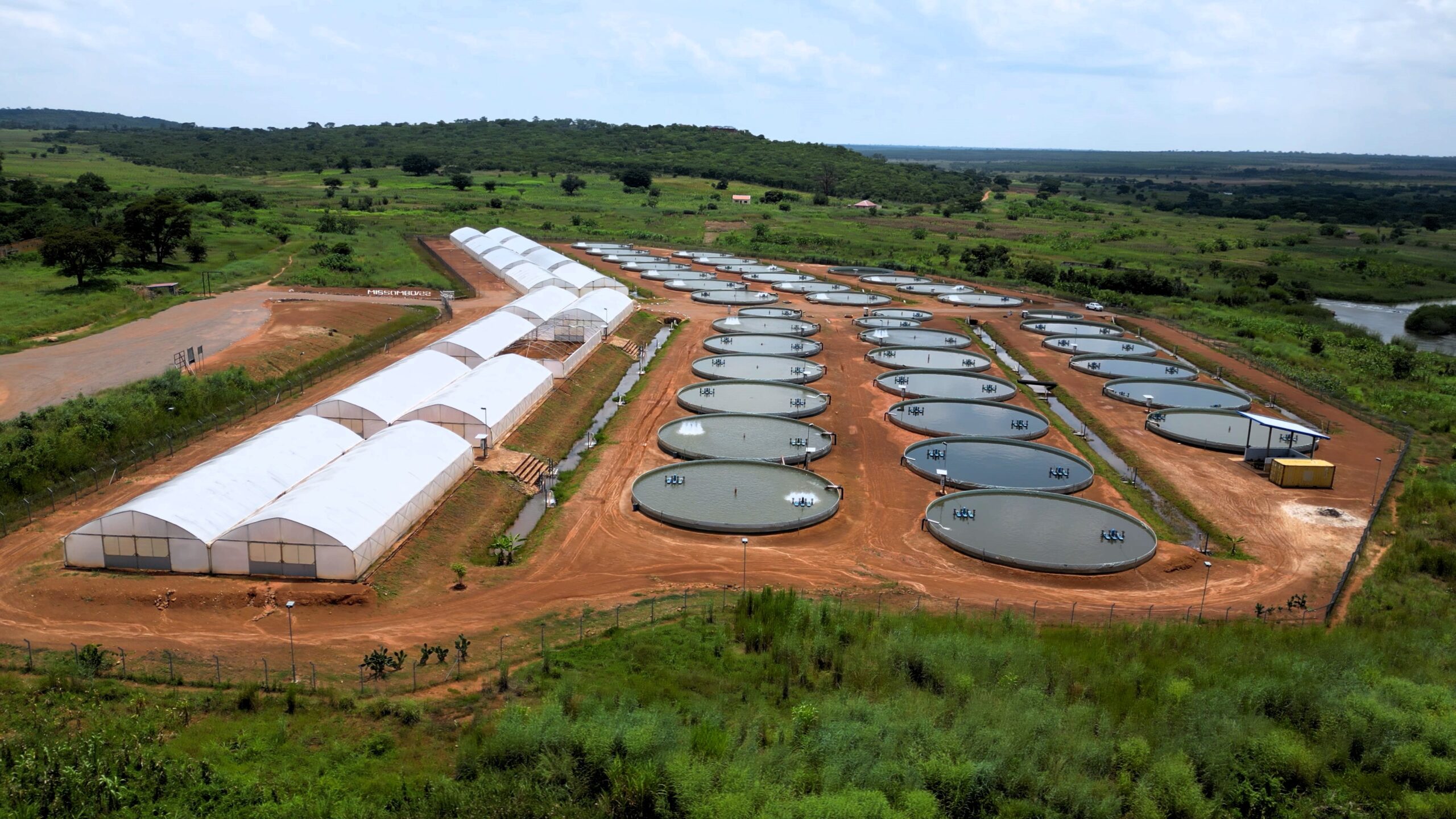
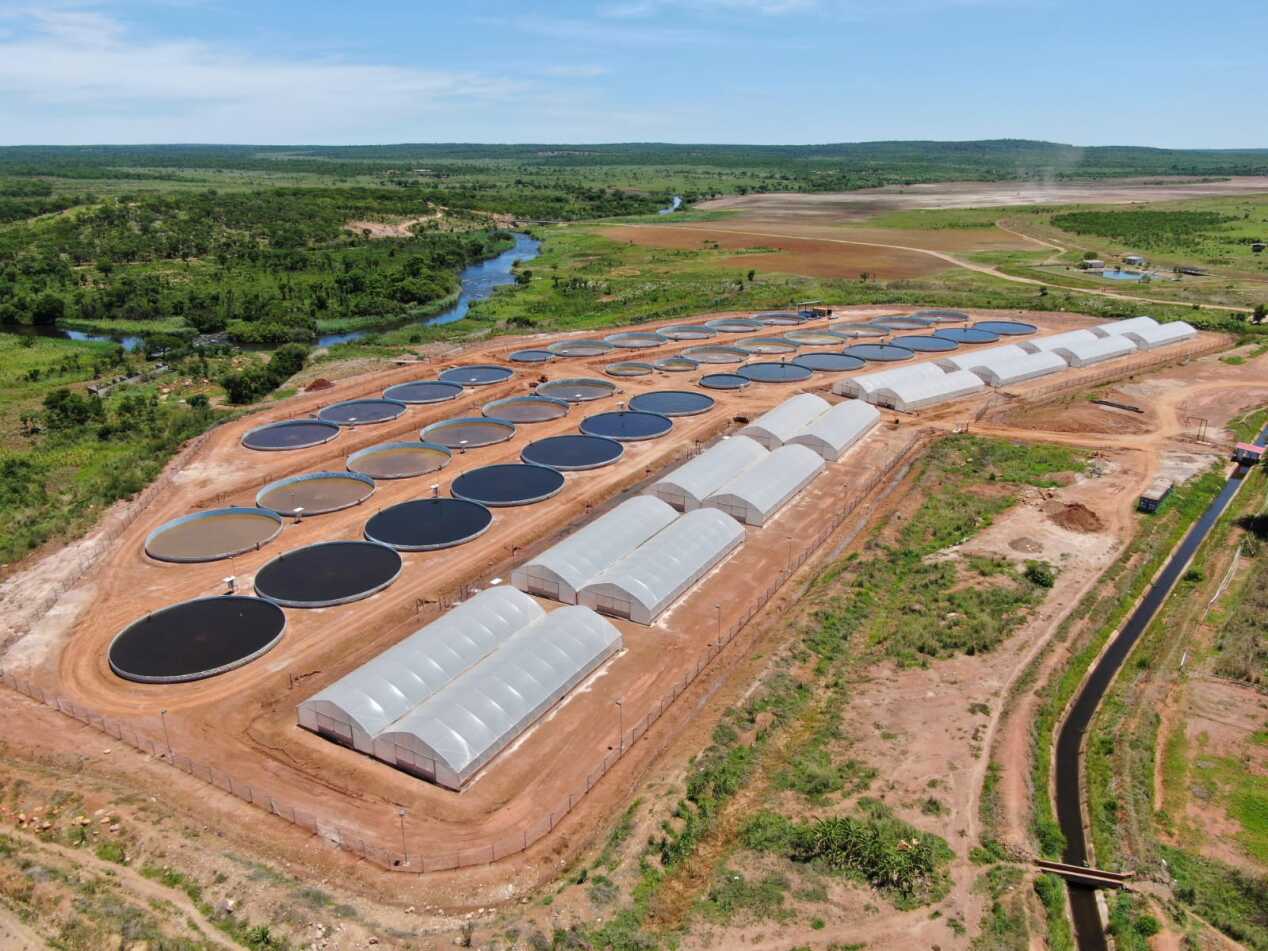
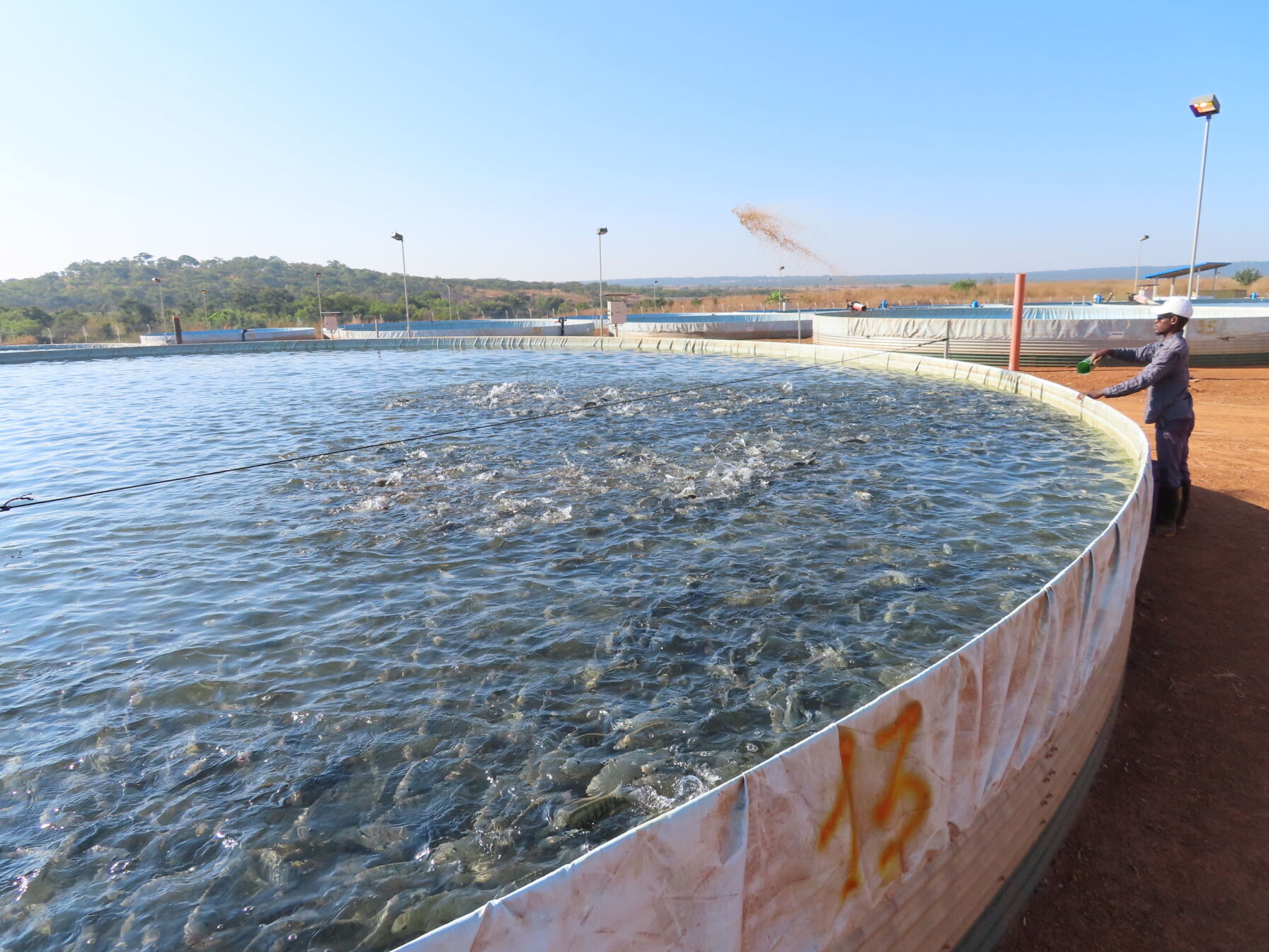
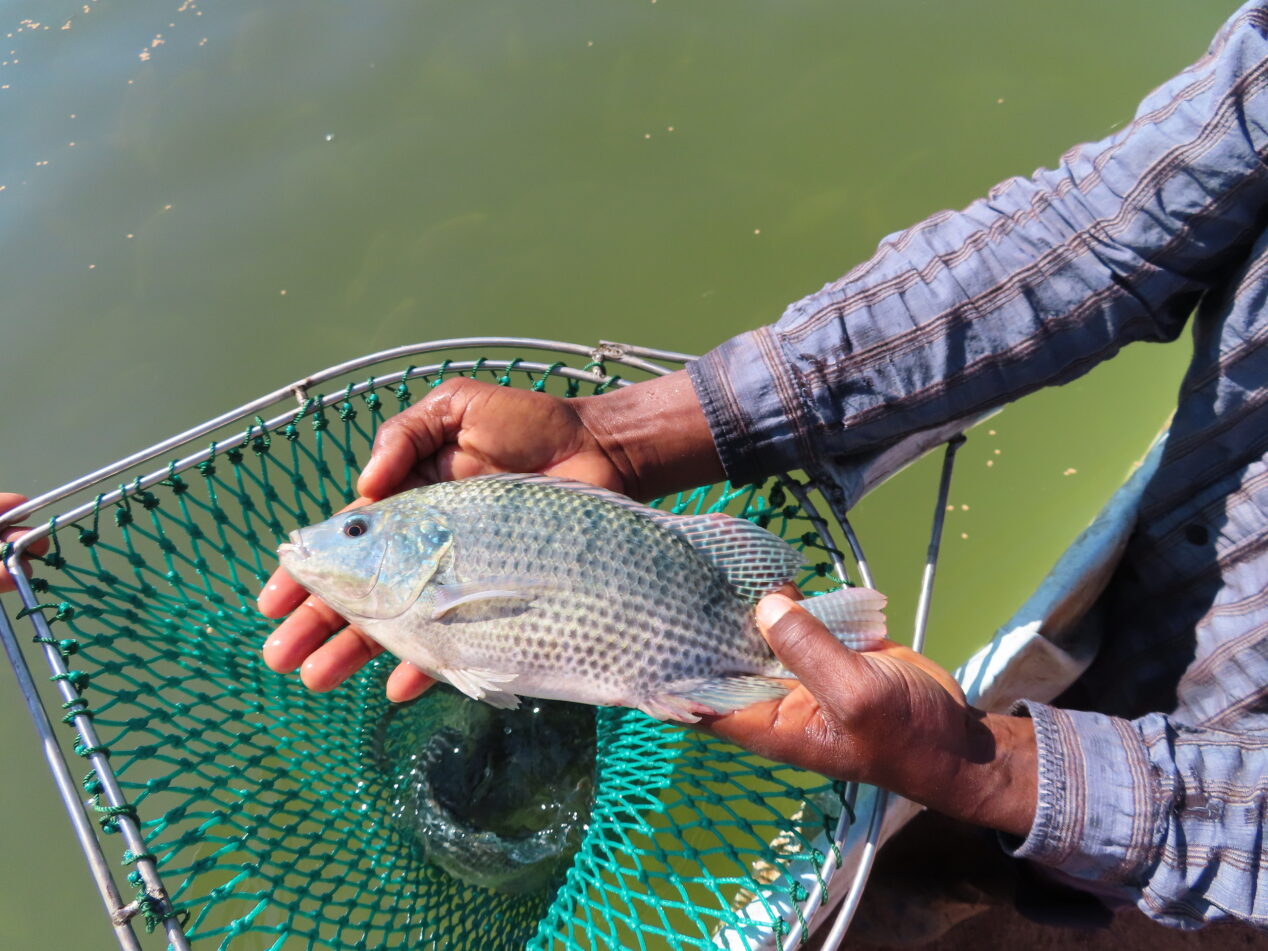
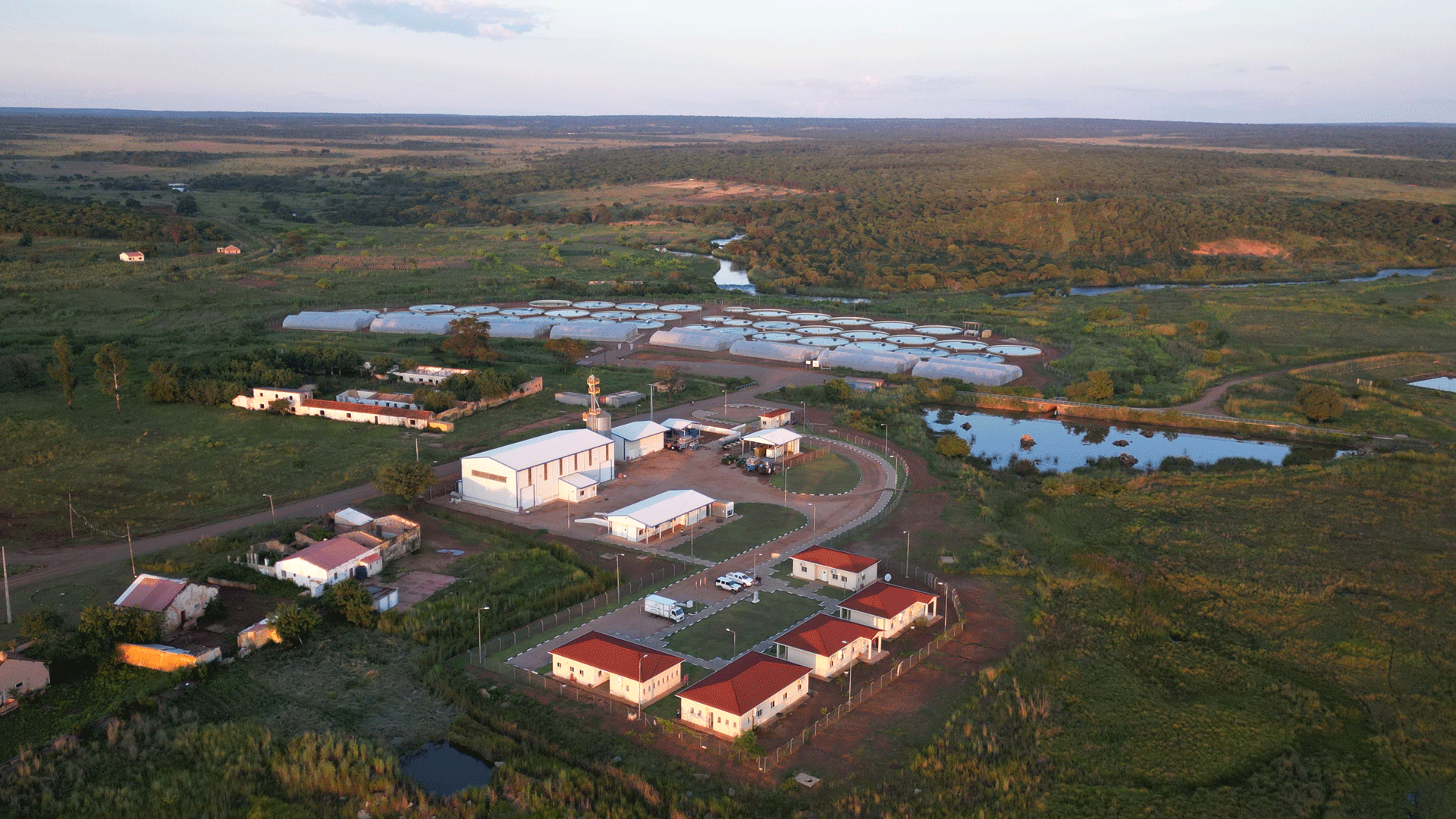
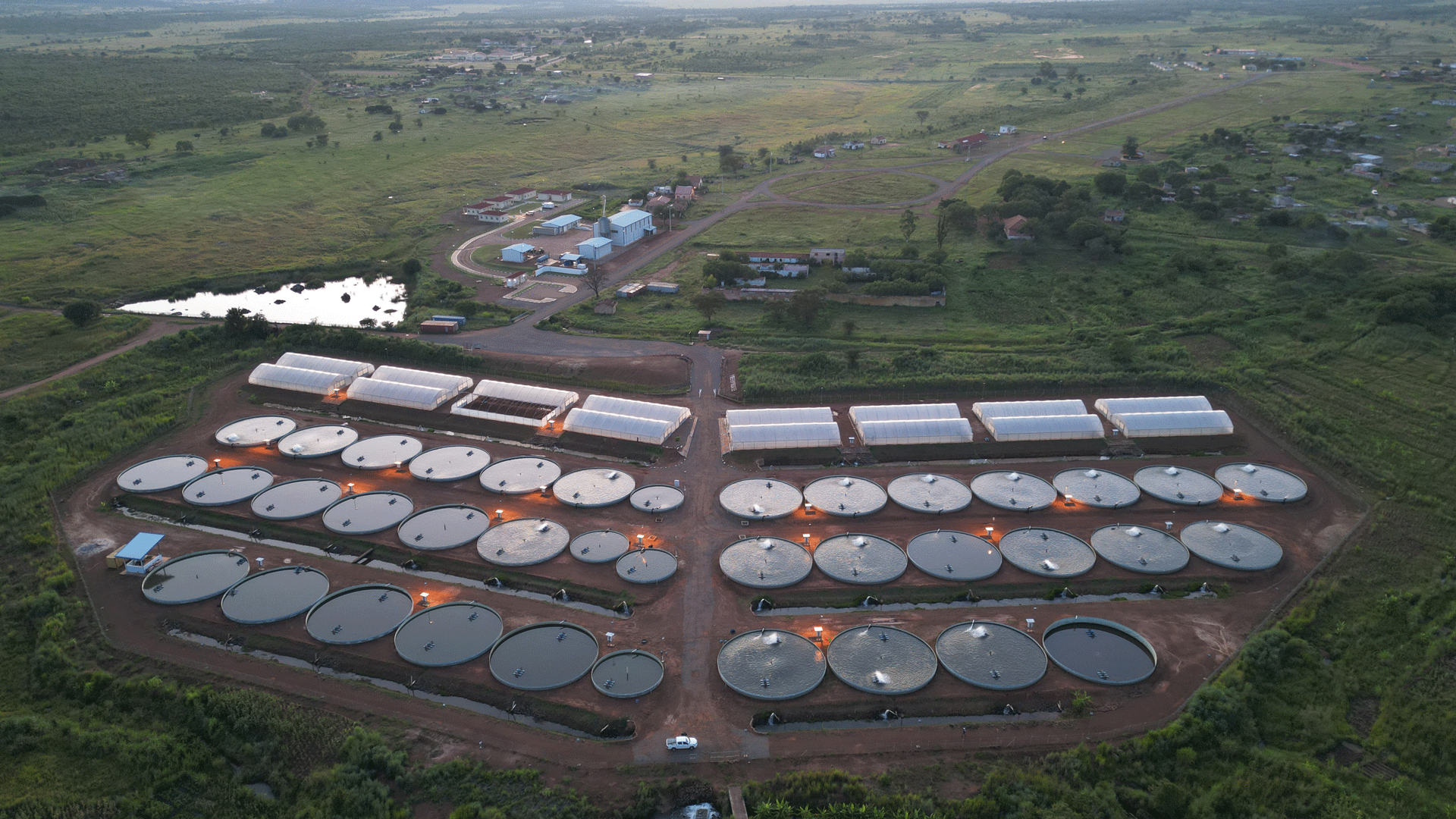
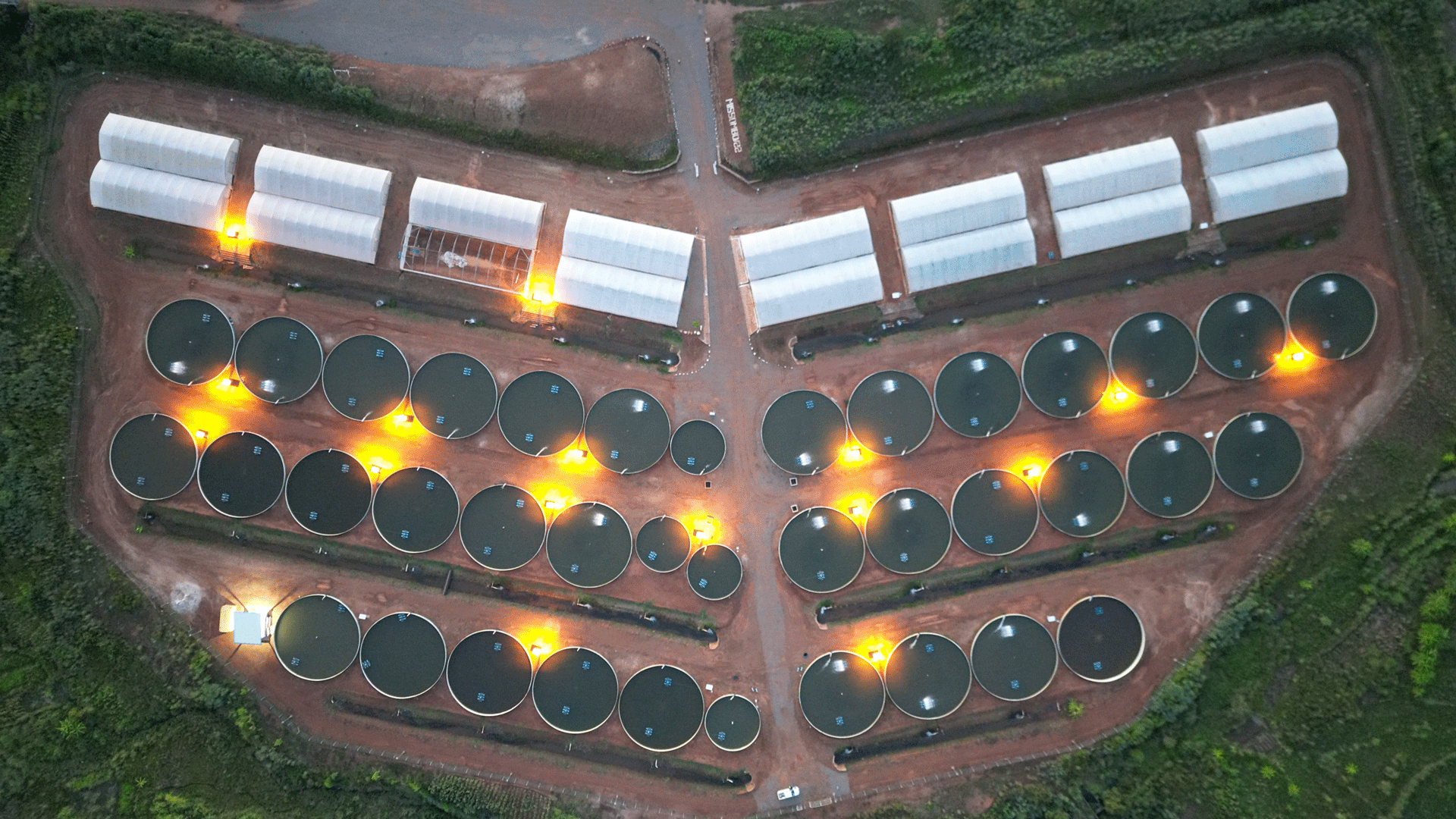
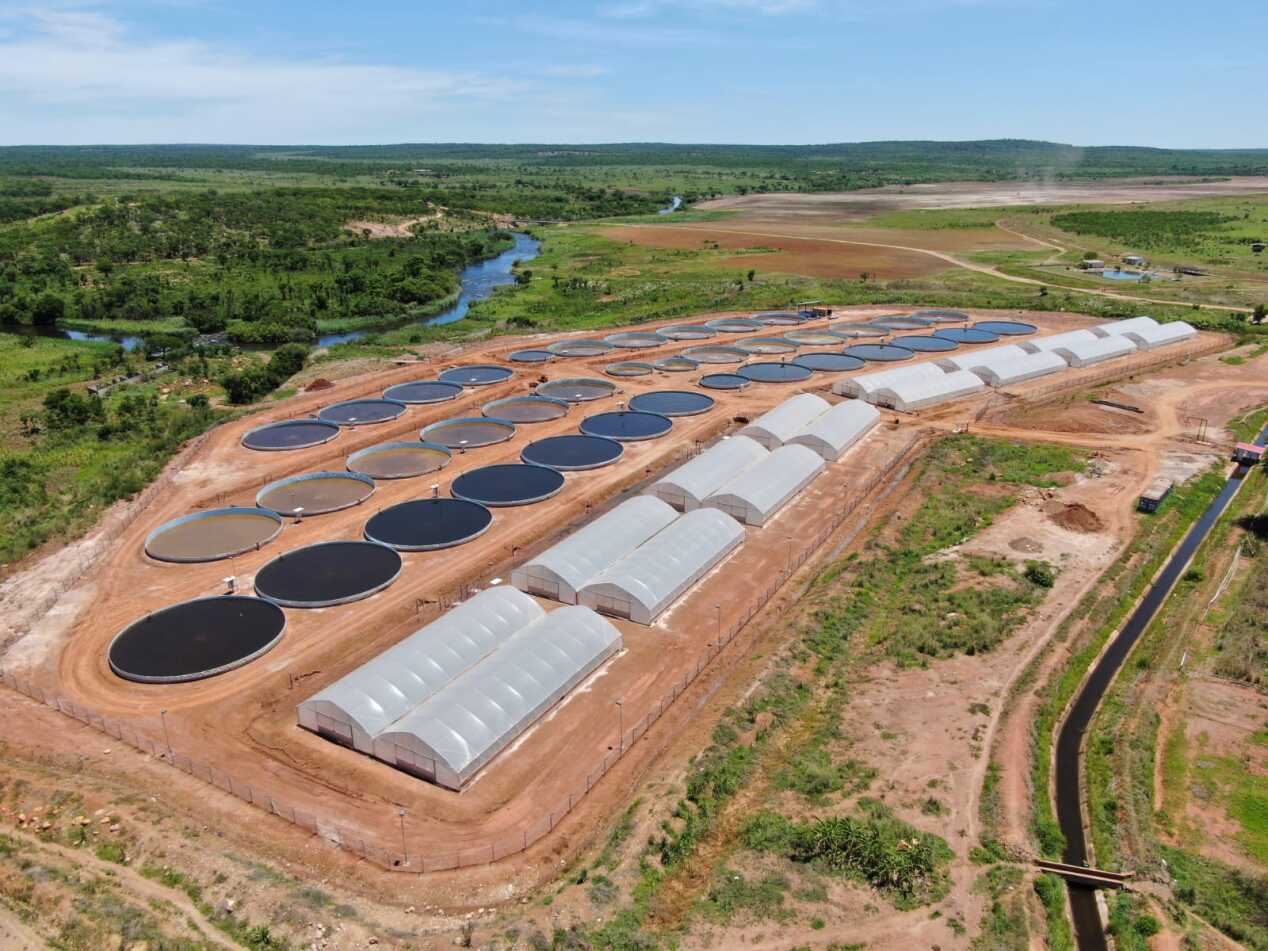
The Tilapia Fish Farming project supports Angola’s national food security strategy by producing fresh, affordable fish and creating employment in the aquaculture sector. Through sustainable farming practices, local feed production, and farmer training, the initiative ensures a steady fish supply while promoting economic growth and environmental sustainability.
- 500 tons of fresh tilapia are produced annually
- 7-hectare aquaculture site
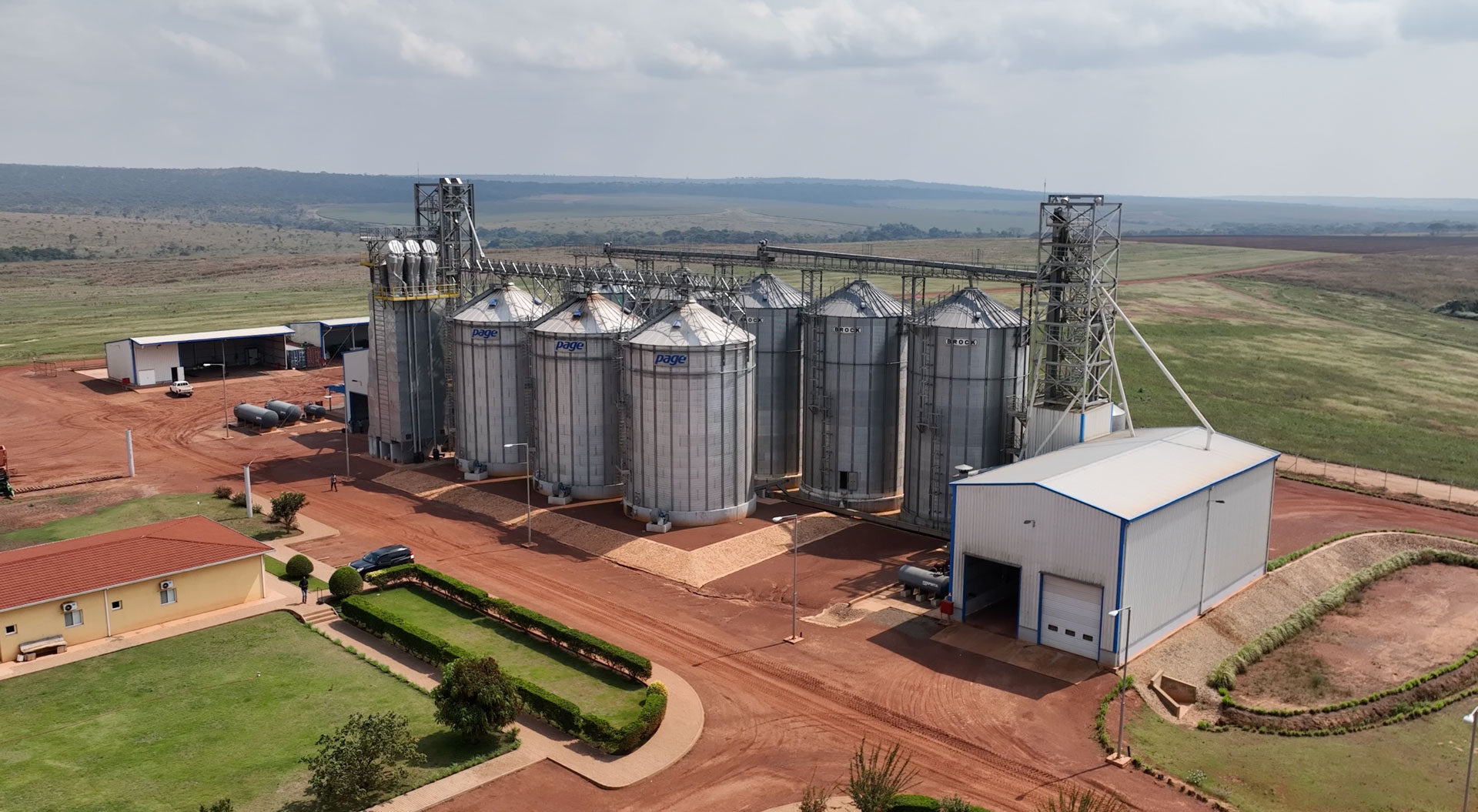

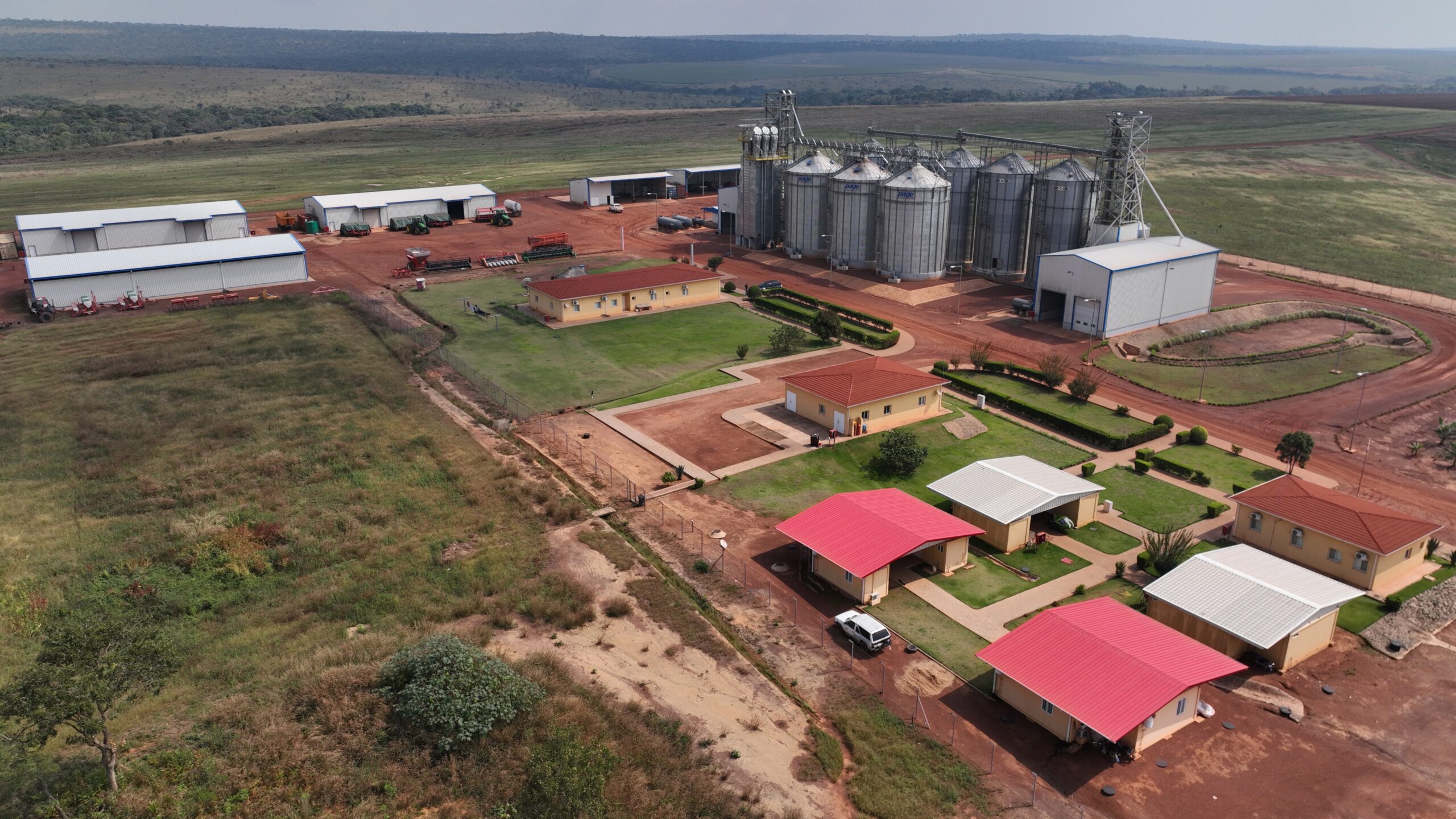
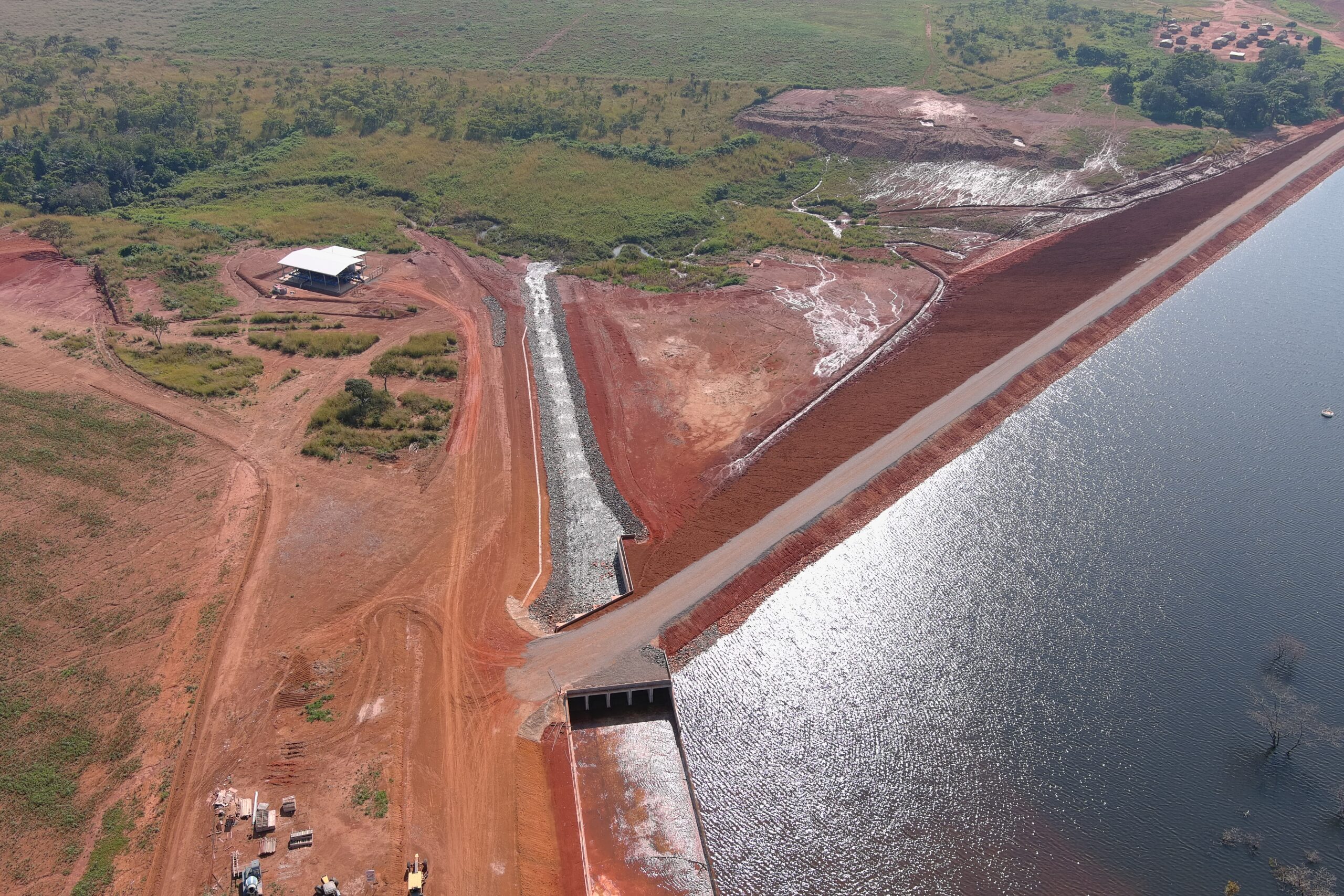
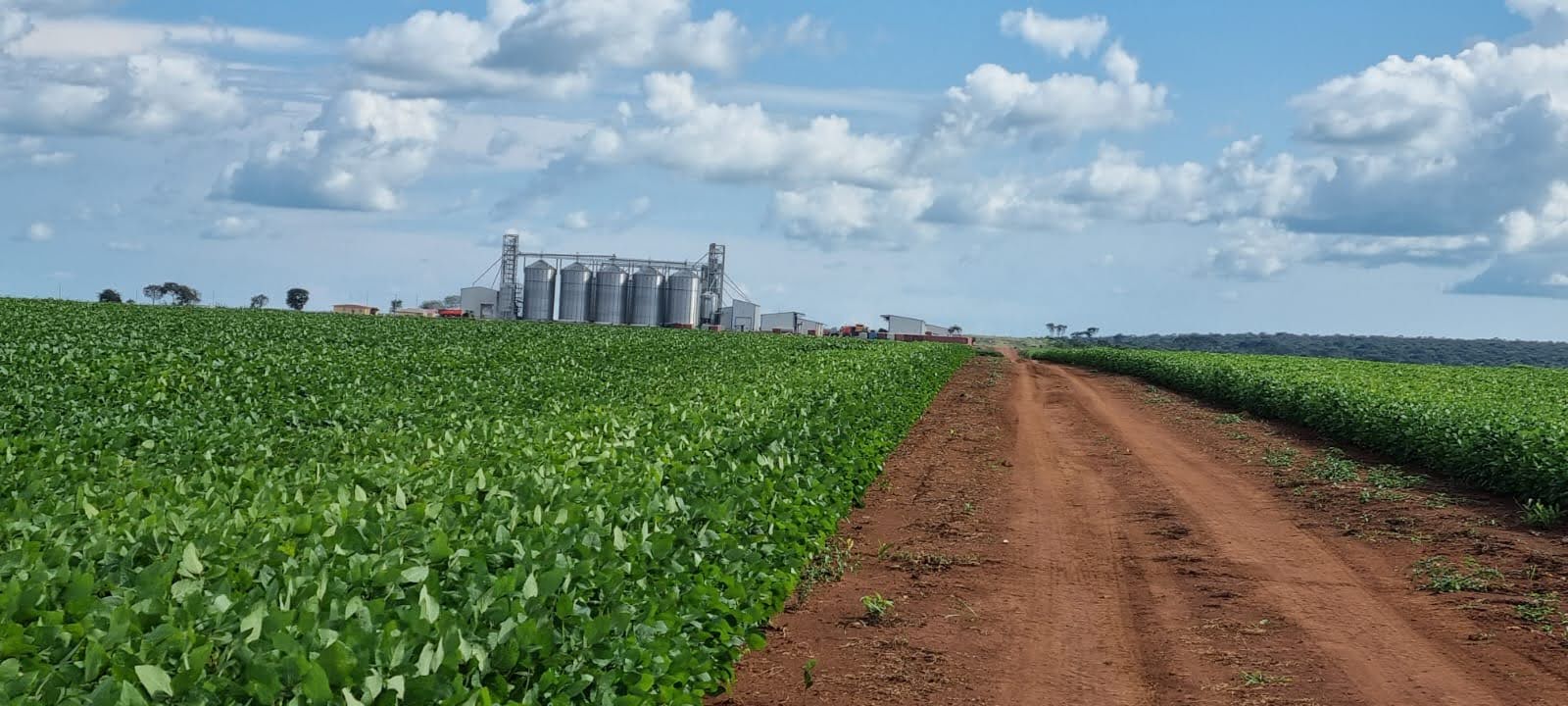
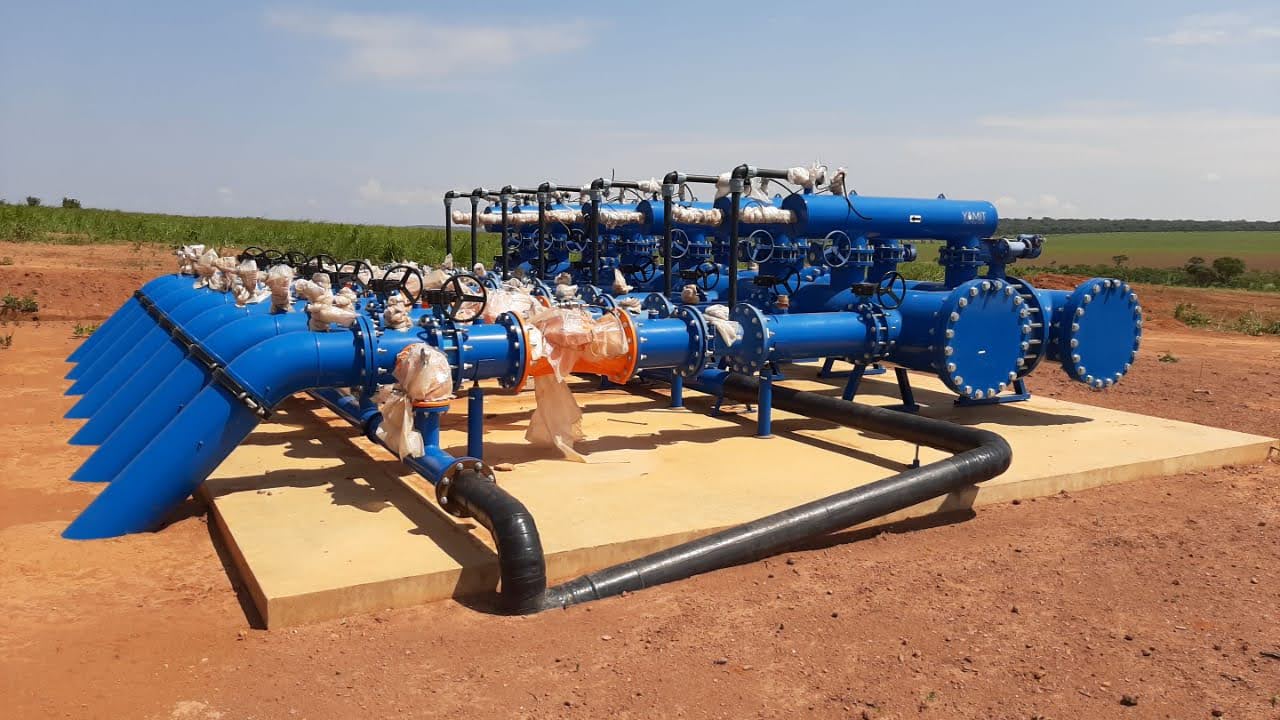
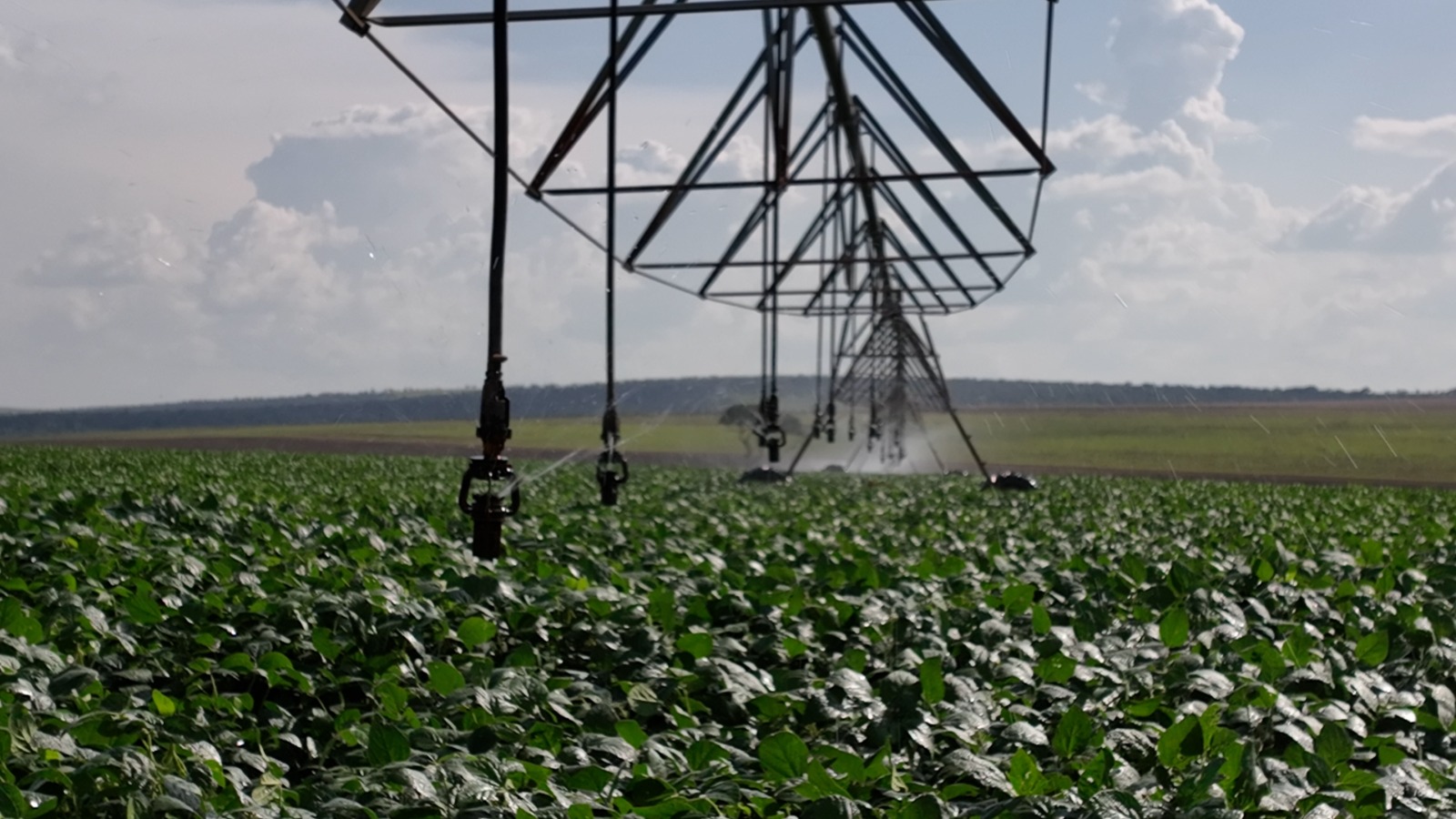
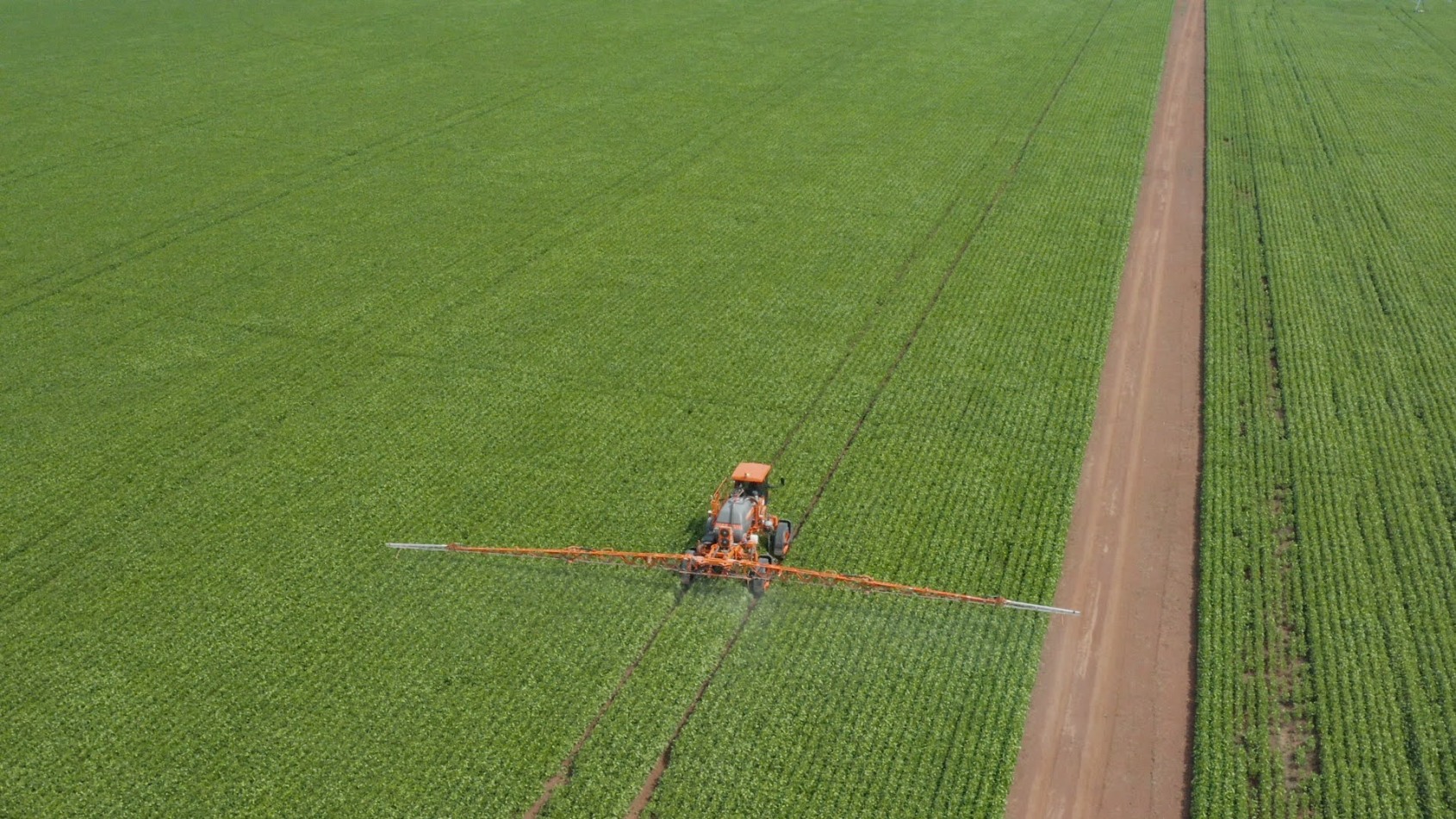
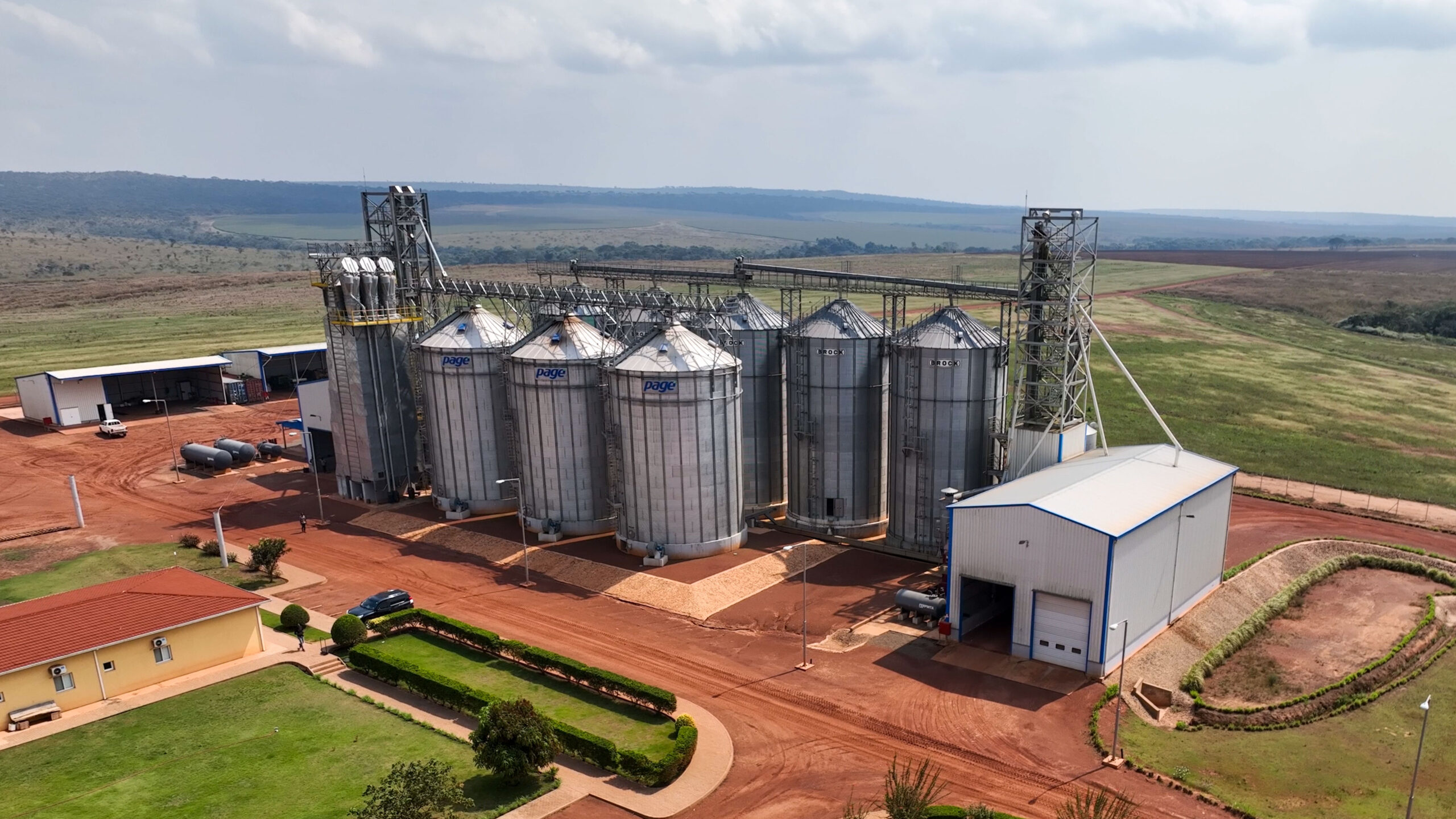
The Samba Caju Farm project established a large-scale agricultural operation focused on producing staple crops such as corn and soybeans through advanced irrigation and sustainable practices. It increased food production, created local employment, and strengthened Angola’s food security while promoting environmentally responsible farming and long-term rural development.
- 2,554 hectares cultivated
- 2.65 million m3 of water storage capacity
- 21,000 tons of cereals were produced
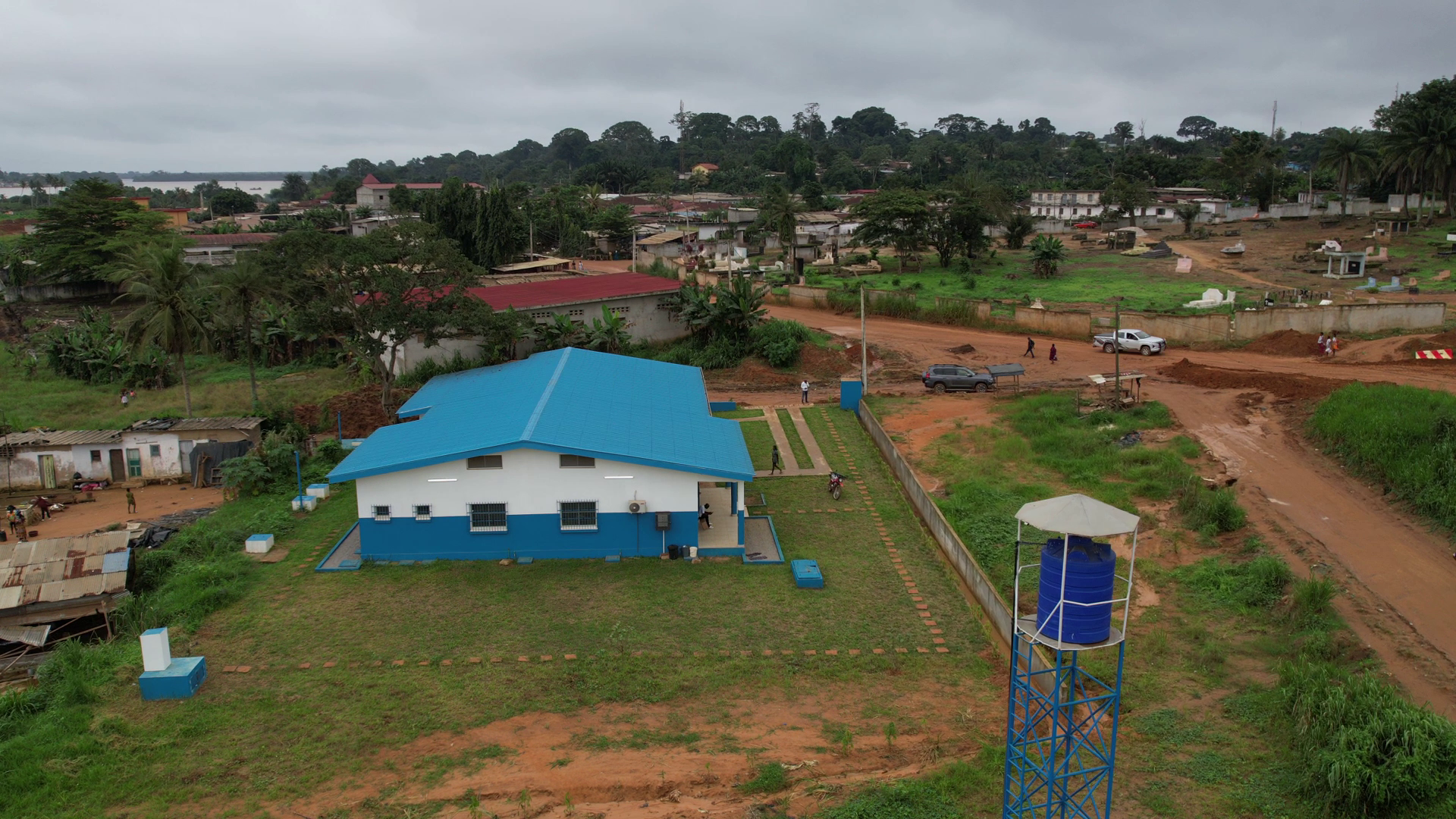


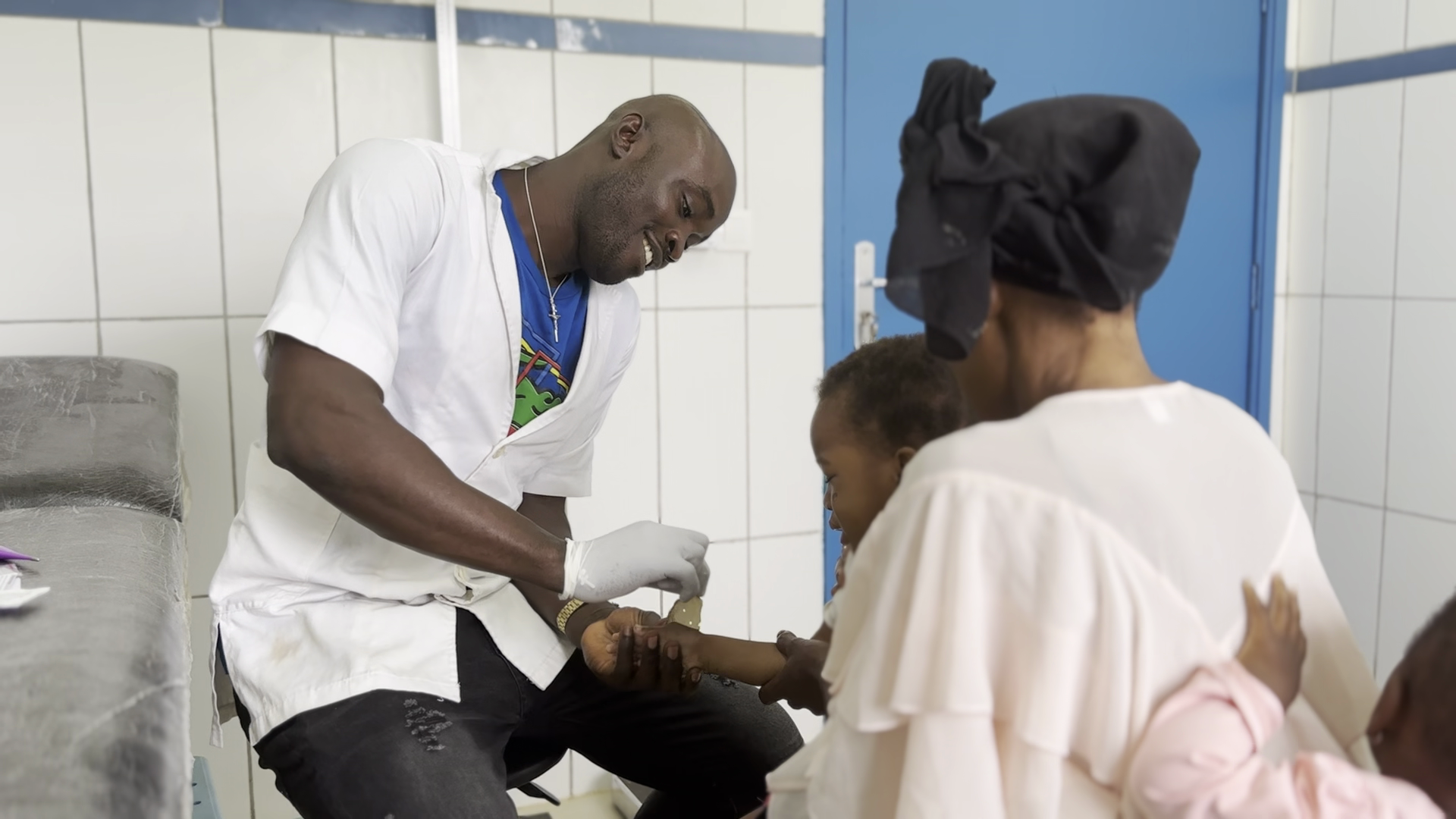
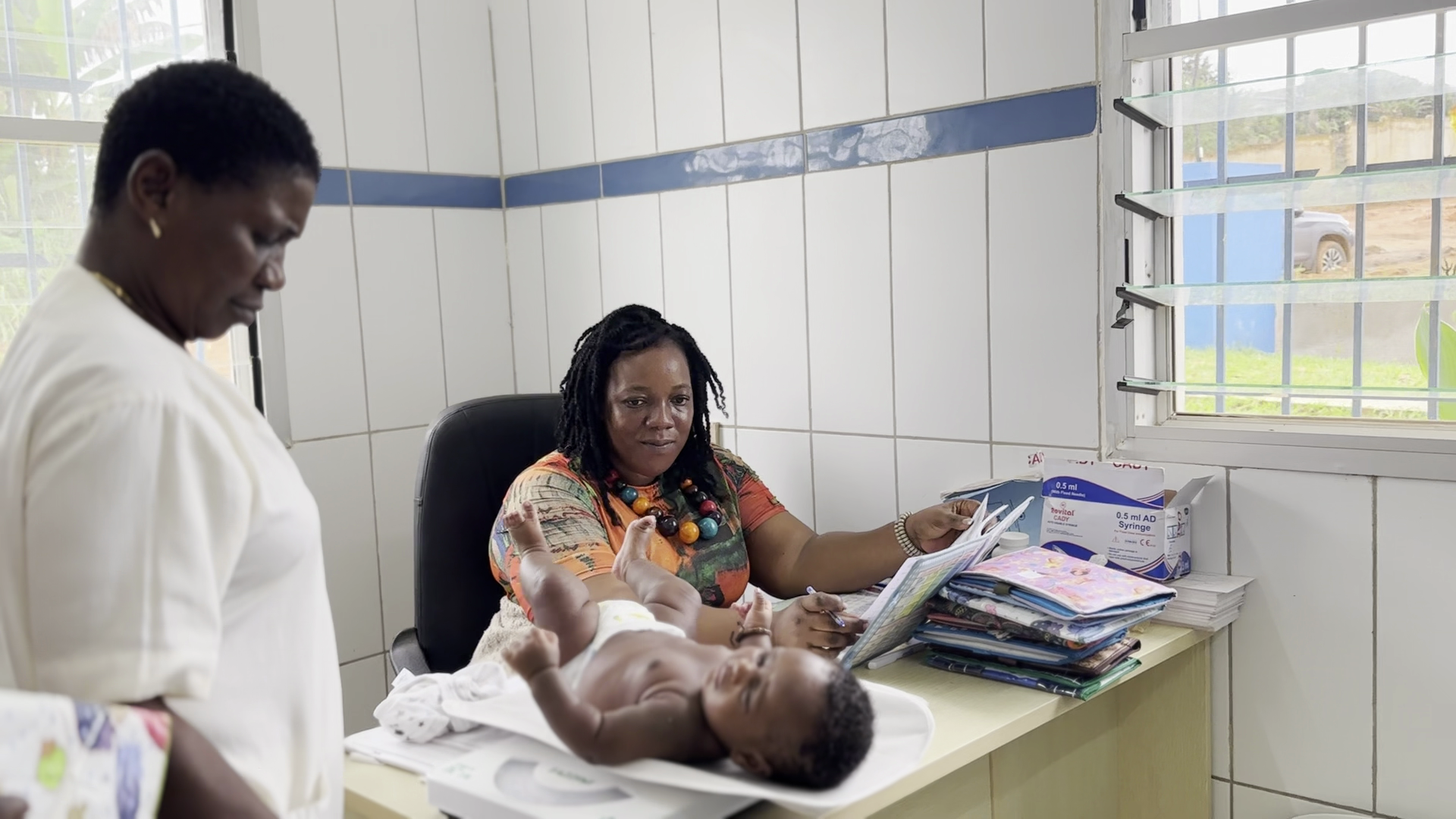
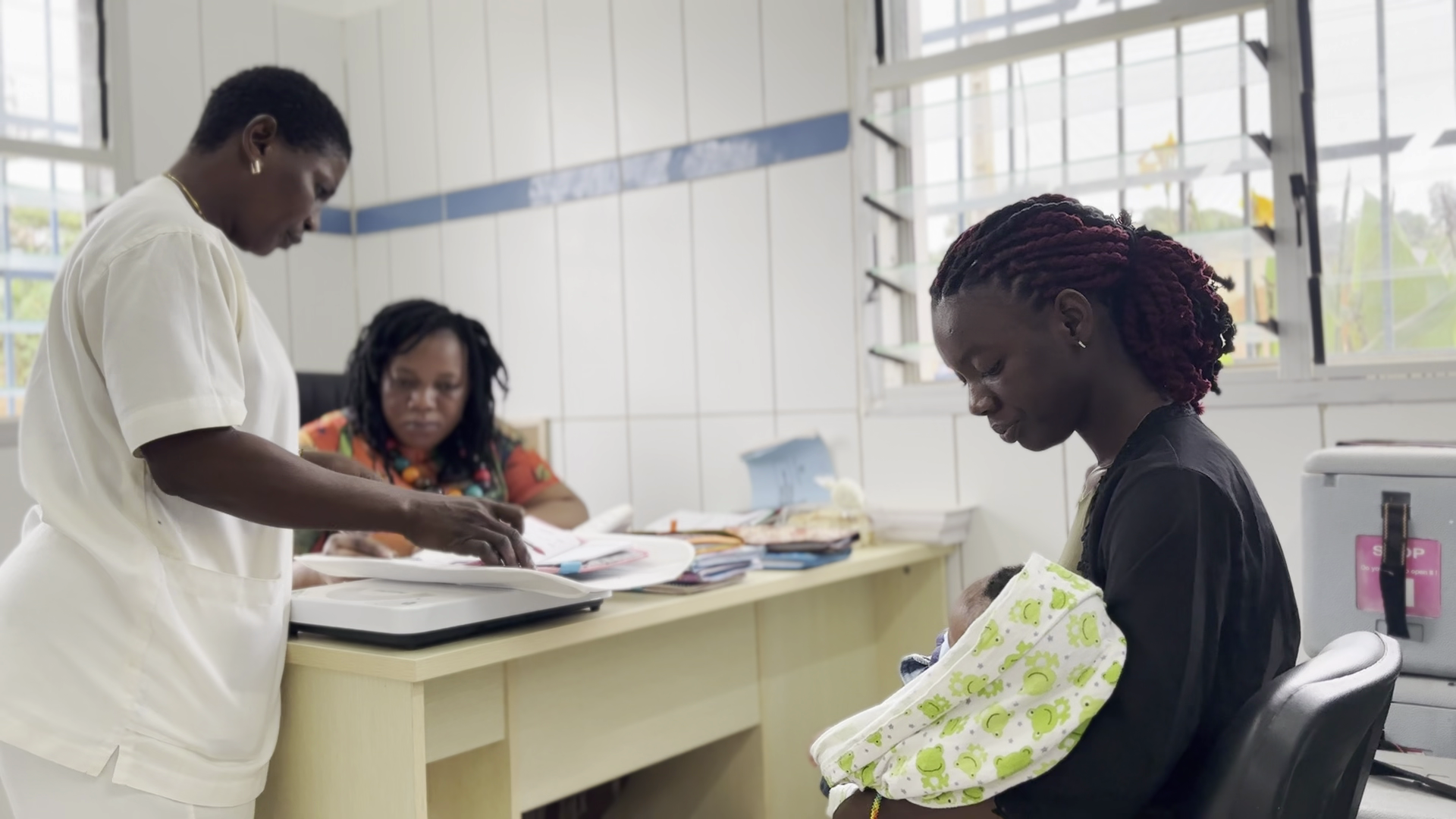
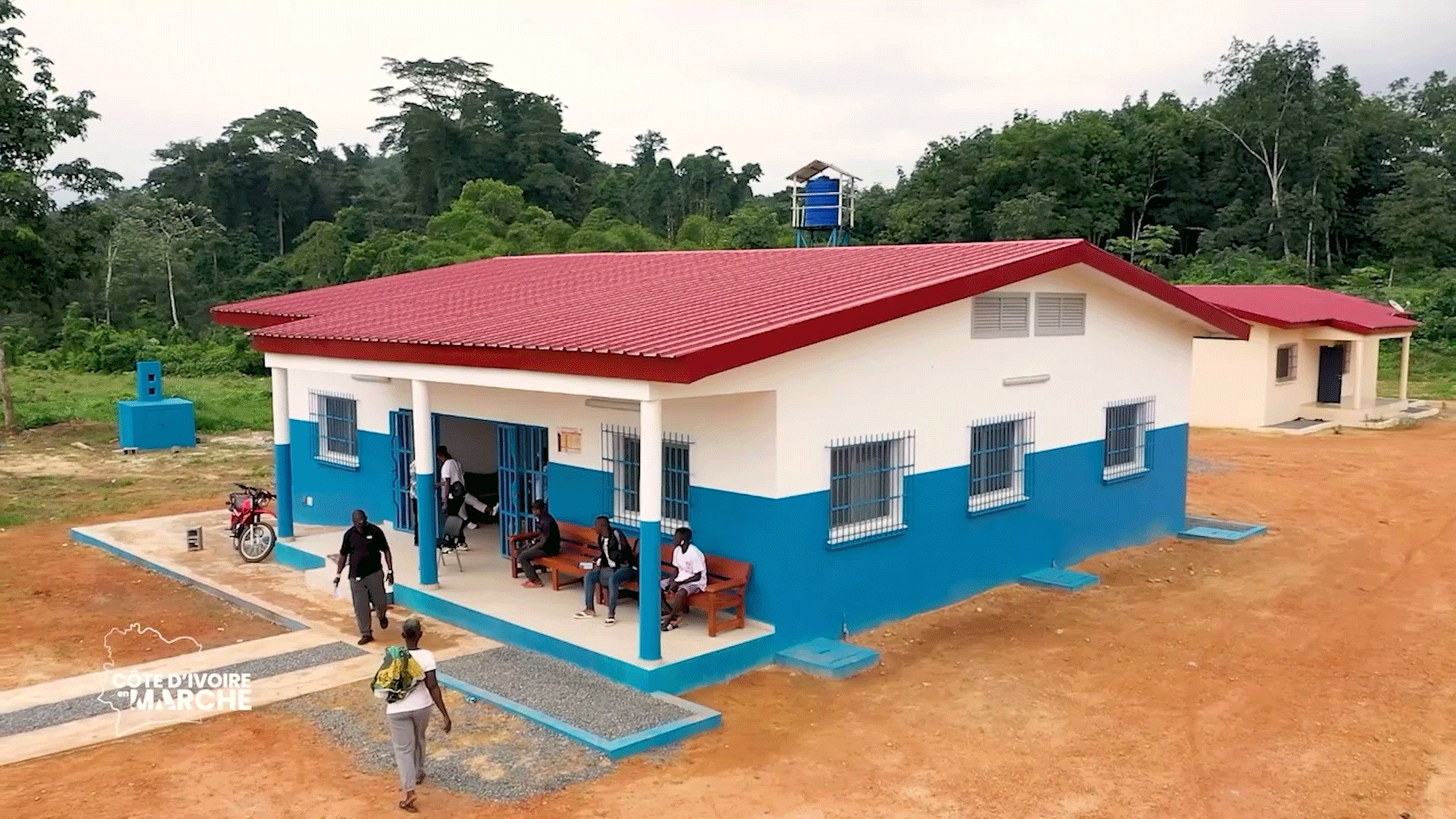
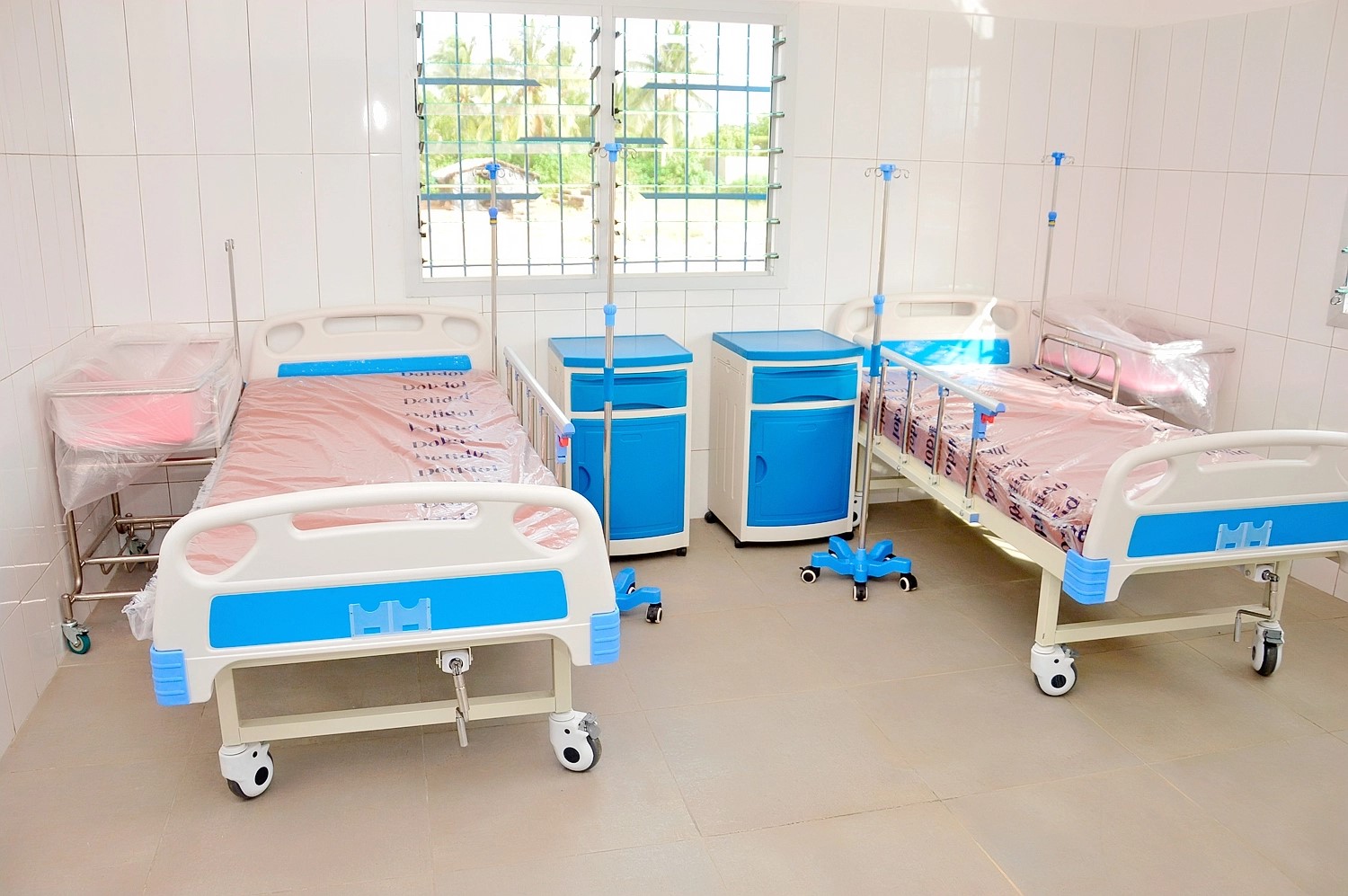
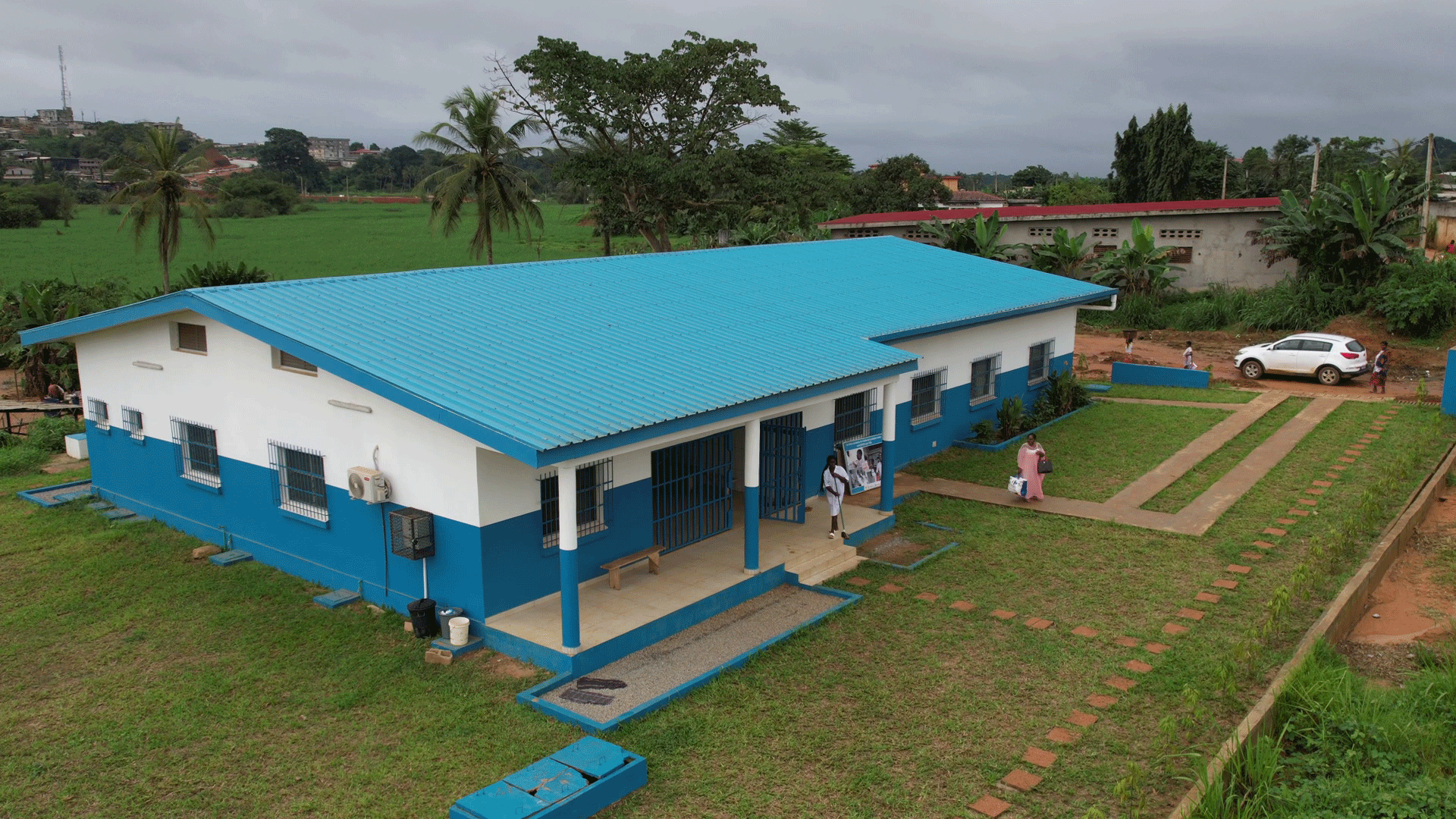
The ESPC program in Côte d’Ivoire is expanding access to primary healthcare by building and modernizing 348 medical centers nationwide. Designed to ensure every citizen lives within 5 km of a healthcare facility, the initiative strengthens maternal and infant care, disease prevention, and access to essential medical services, improving overall public health and well-being.
- 348 clinics built and rehabilitated
- 13 million people are benefiting
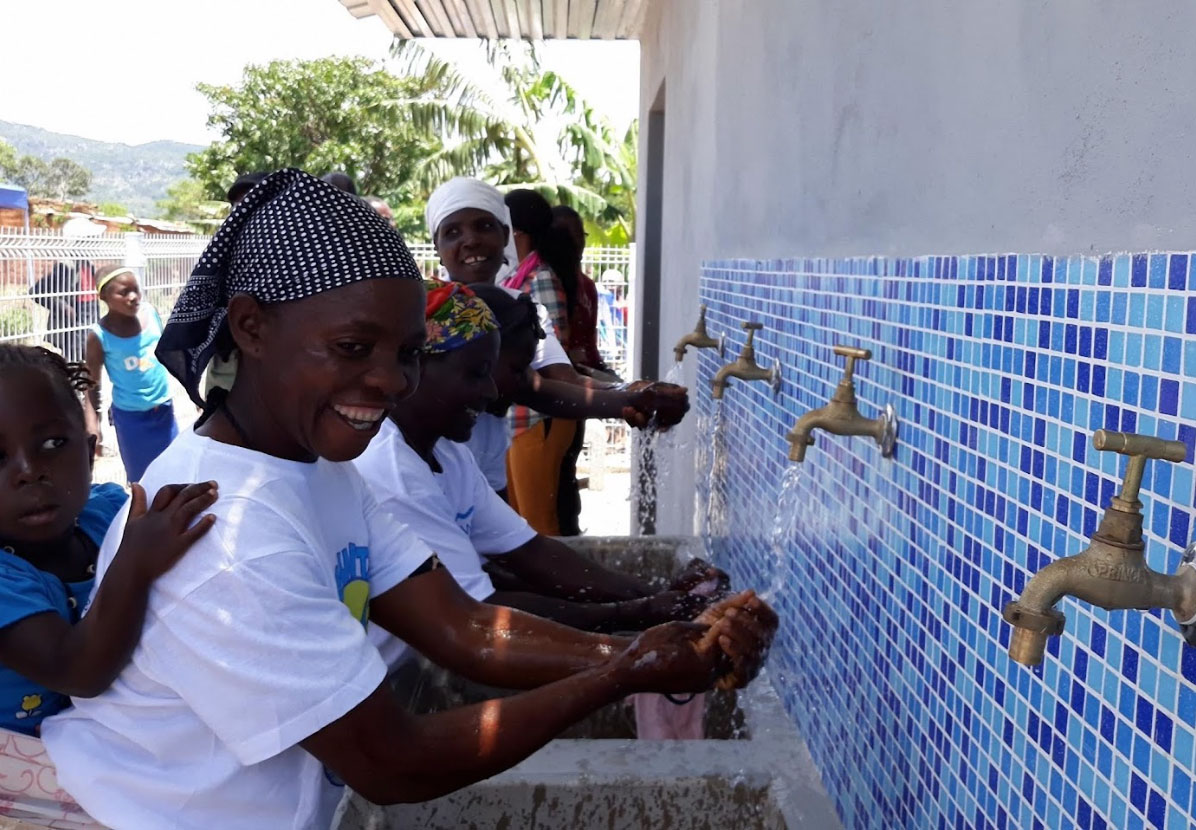
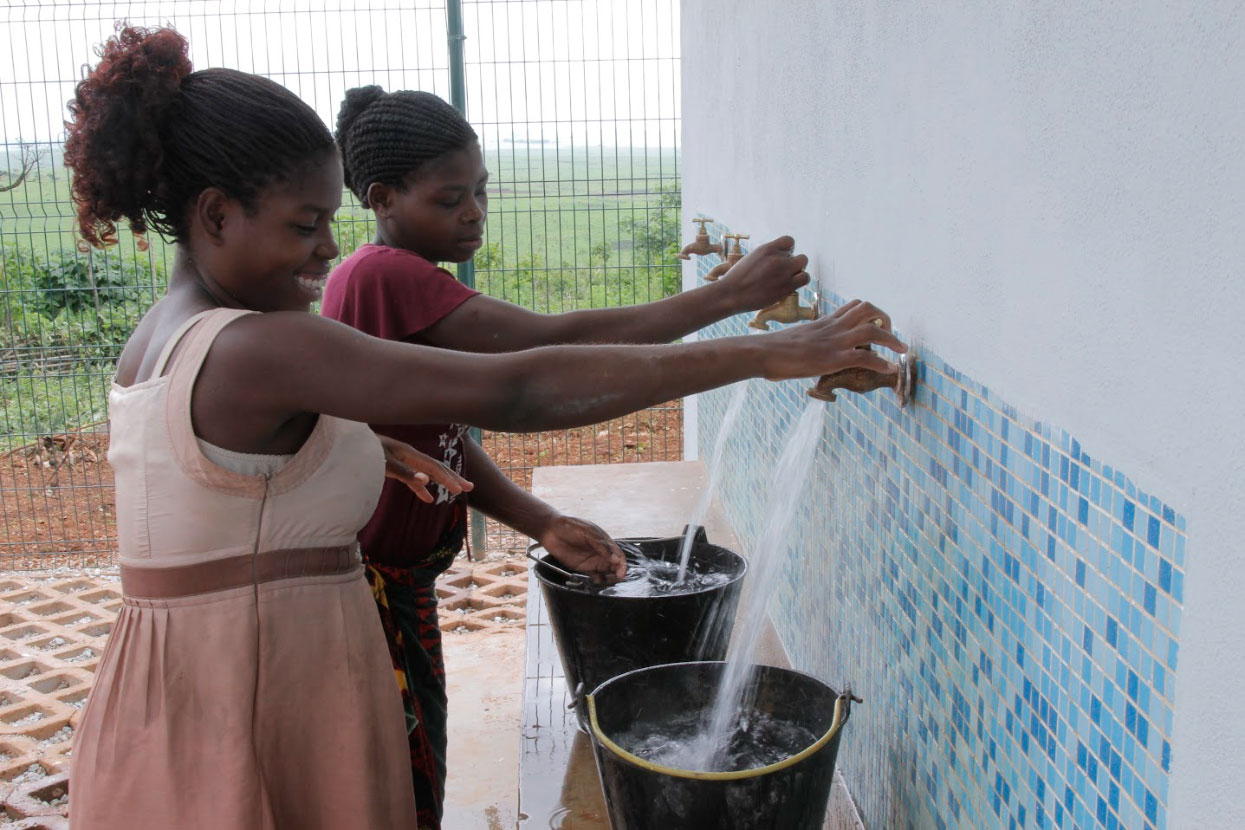
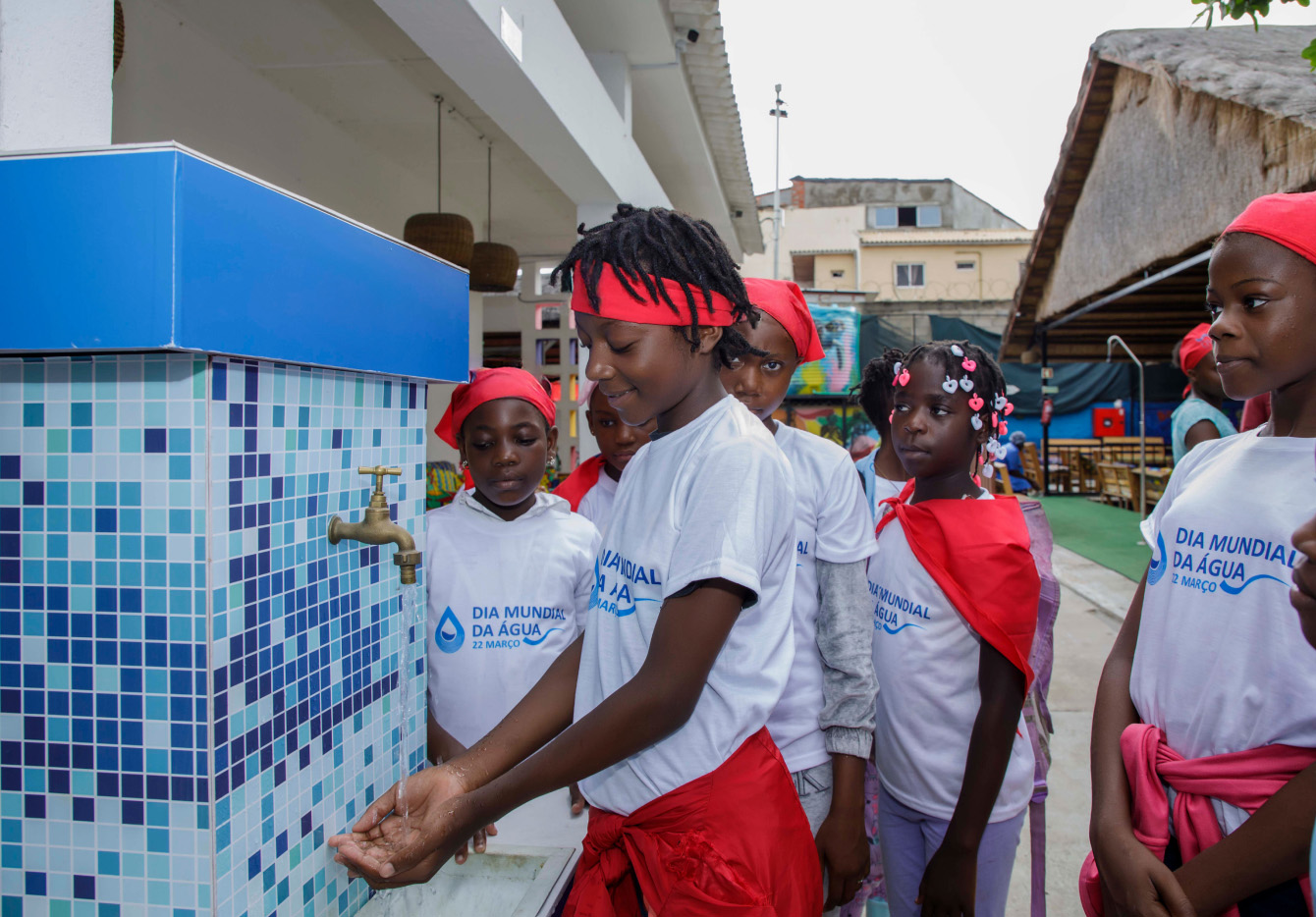
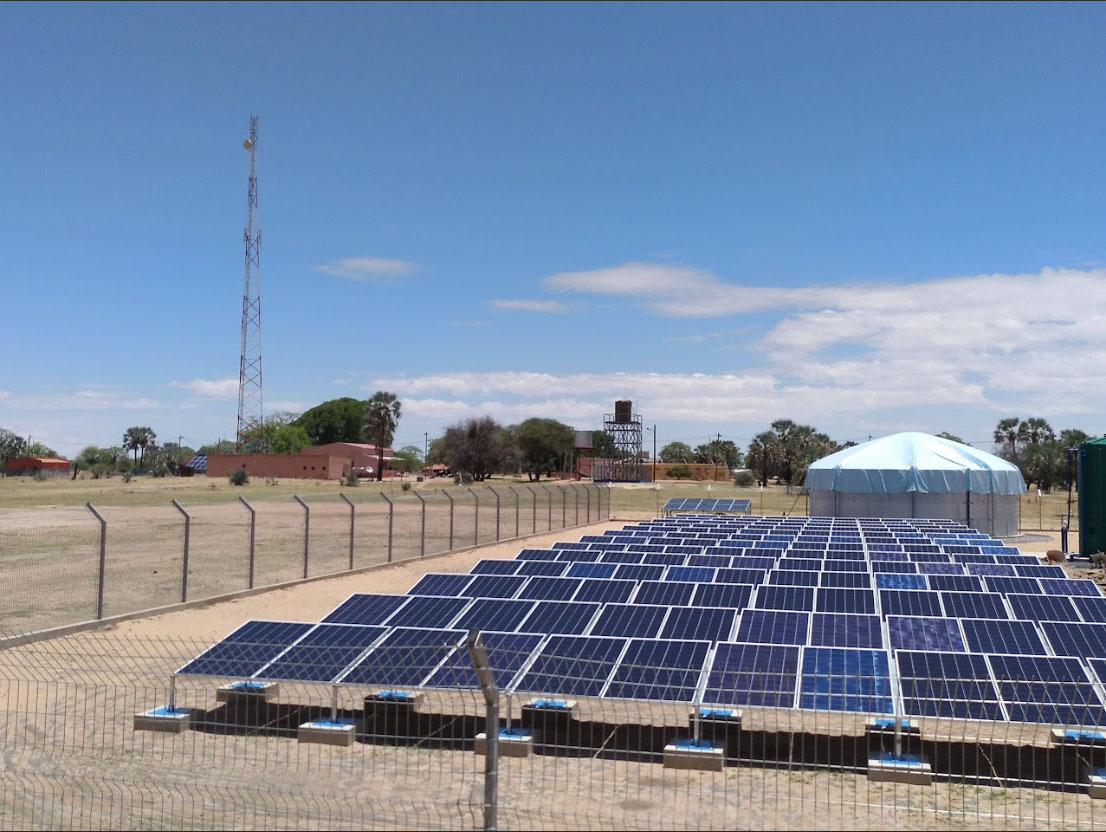


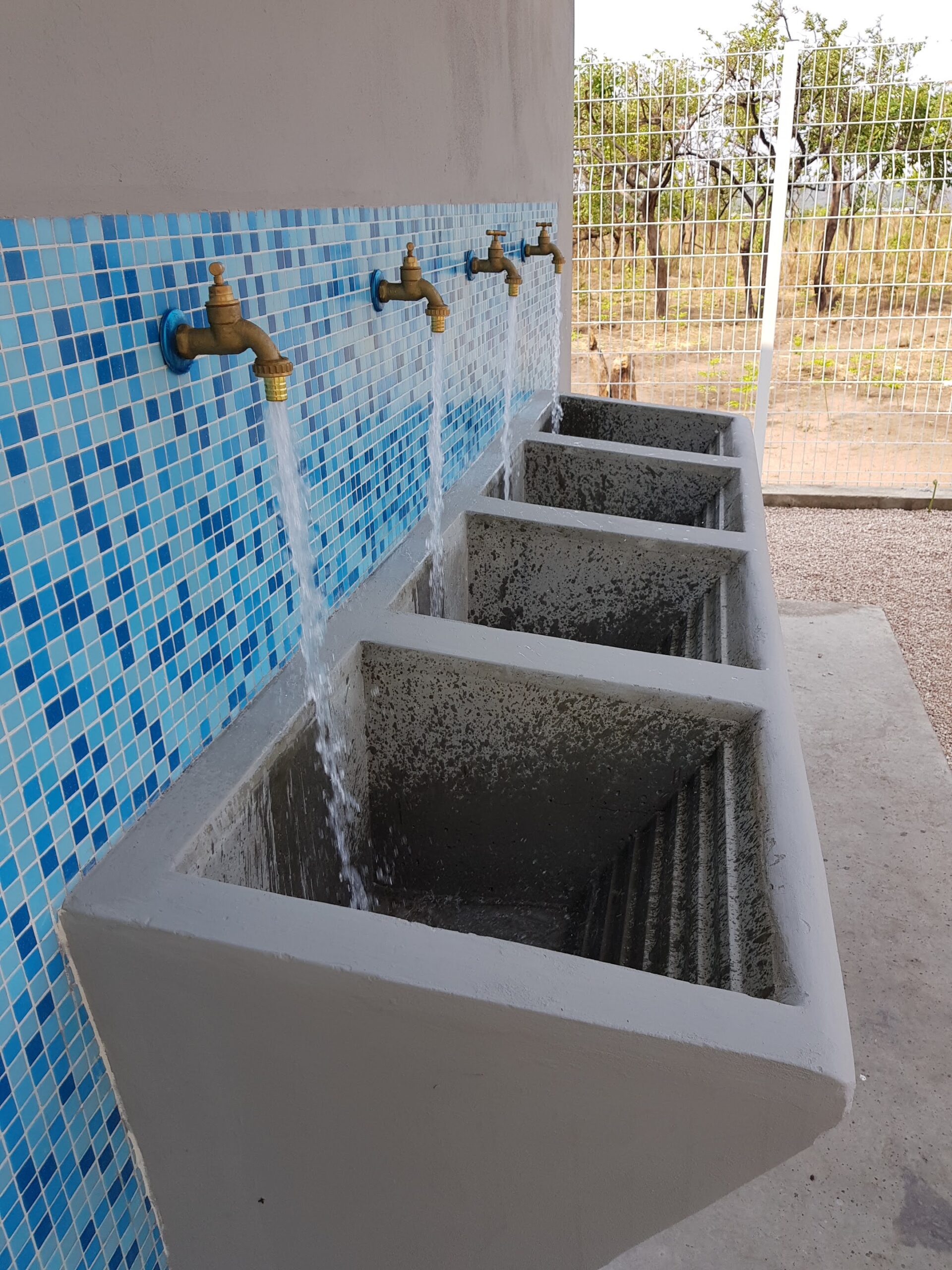
The Water for All program brought safe, clean, and reliable water access to rural communities across Angola. Through solar-powered, low-maintenance systems and local workforce training, the project improved health and sanitation, reduced waterborne diseases, and ensured long-term sustainability for thousands of families.
- 430K people connected to water
- 764 local staff trained
- >20% confirmed trend of decrease in water-borne diarrheal diseases and skin infections

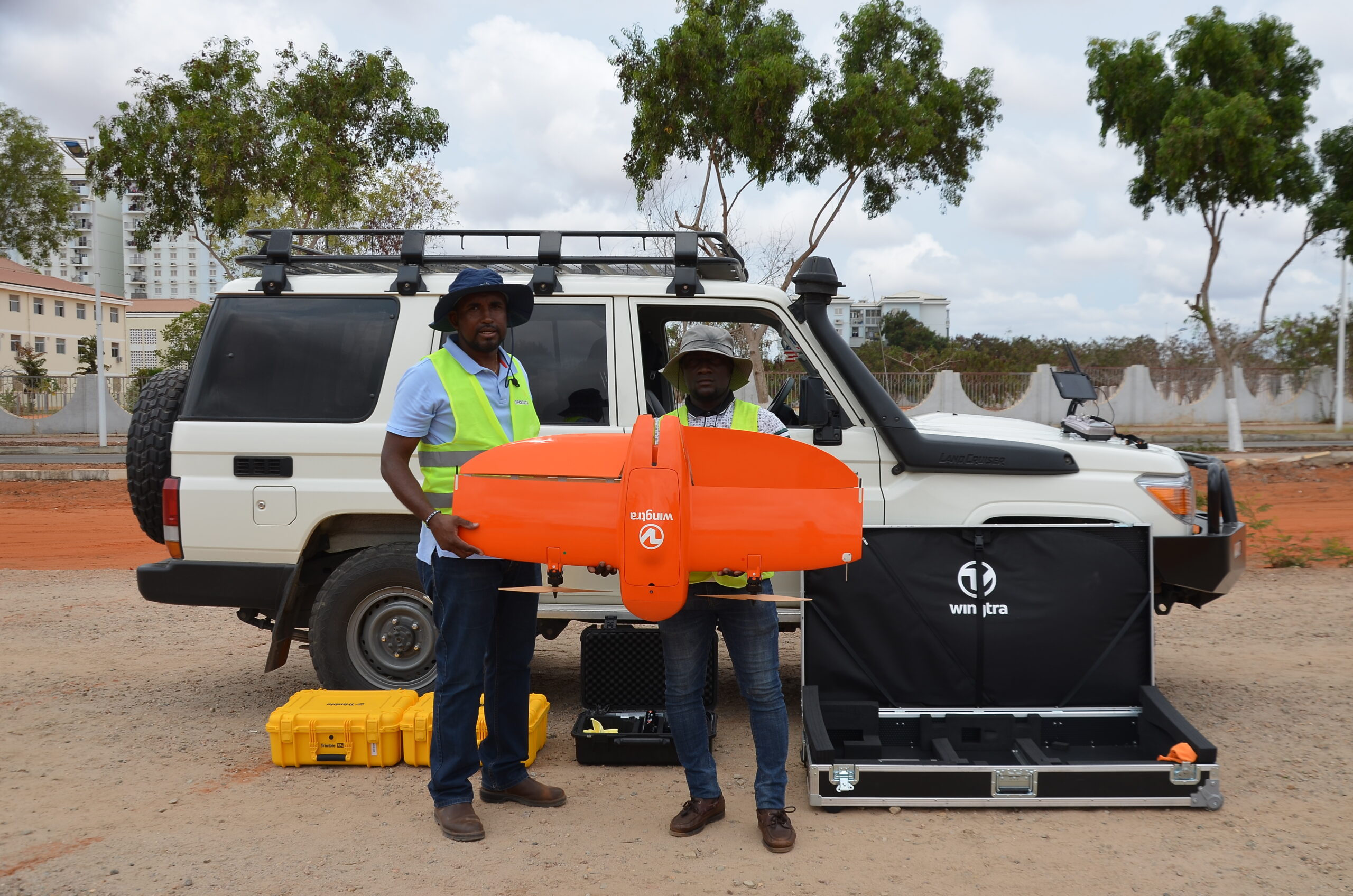

The nationwide digital cadaster system has transformed land administration and tenure security in Angola. It integrates advanced mapping, digitization, and mass registration with a central database connected to all 18 provincial offices. Supported by extensive field surveys, training programs, and public awareness campaigns, the system has enhanced accuracy, transparency, and governance, enabling smarter, data-driven land management and sustainable economic growth.
- Over 450,000 urban parcels mapped.
- Over 100,000 properties registered.
- 6,200 Km2 of high resolution (<5cm GSD) imagery mapped with aerial and drone surveys.
- 400 Km2 of 3D mapping.
- 25 Urban plans created

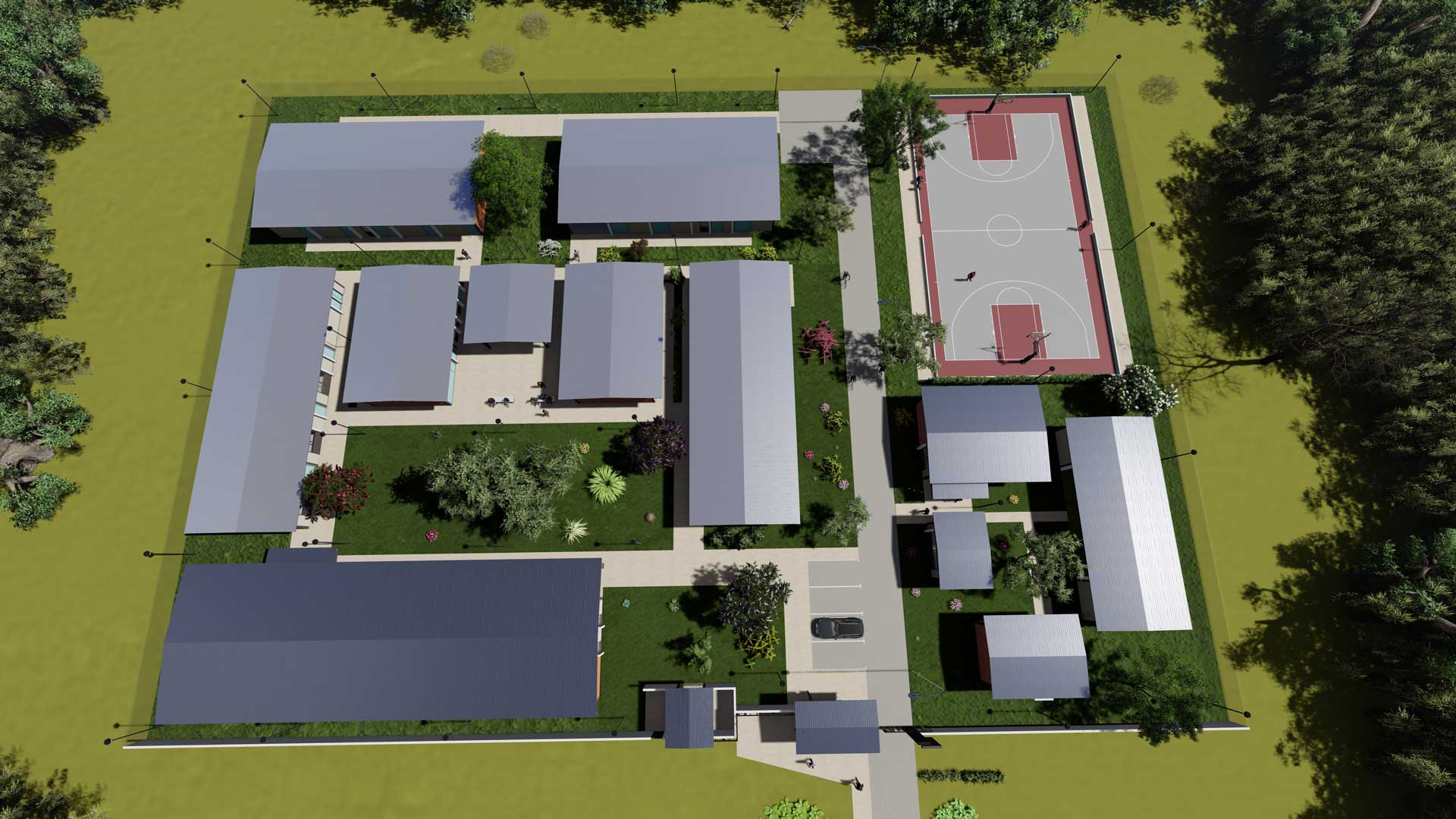
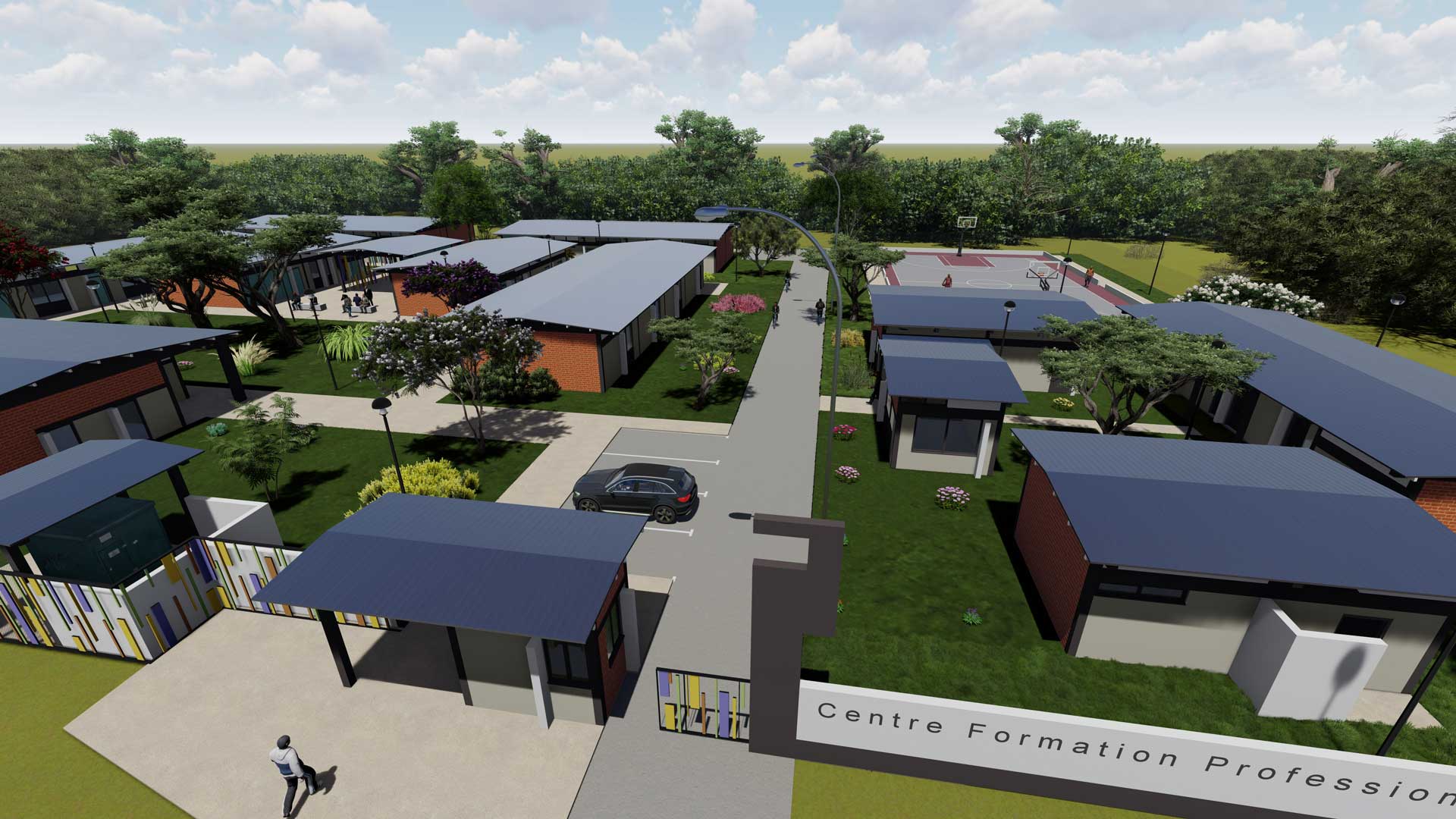
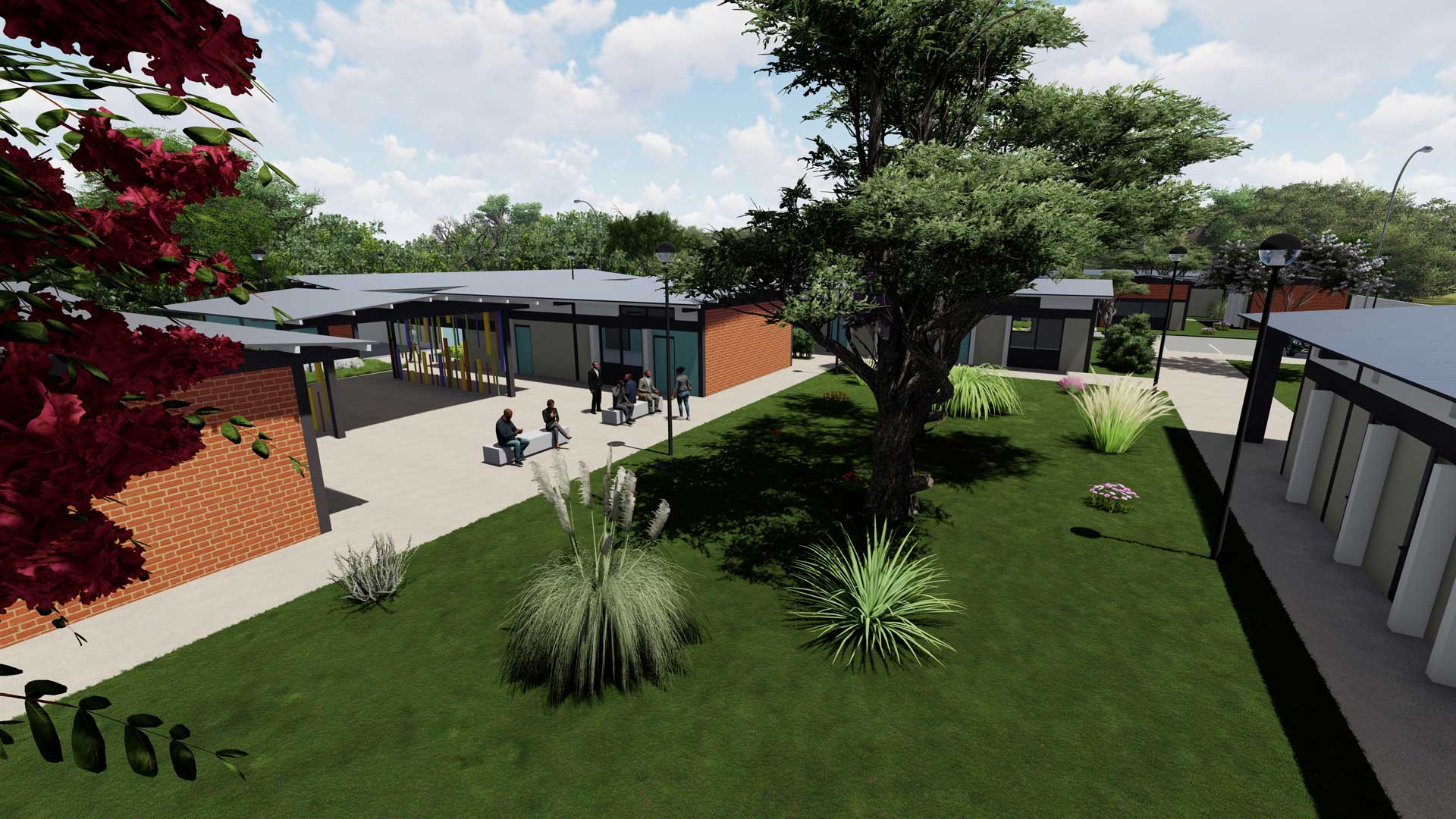
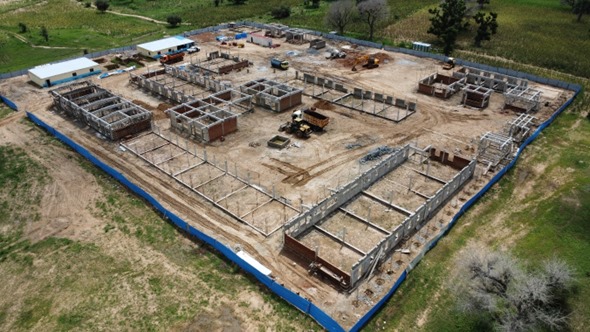
The 23 CFP Project in Senegal is establishing a nationwide network of vocational training centers to equip youth with technical and professional skills for sustainable employment. By building and equipping 23 modern centers, the initiative strengthens local economies, supports innovation, and prepares a new generation of skilled professionals to drive Senegal’s development.
- 23 centers
- 30,000 projected students annually


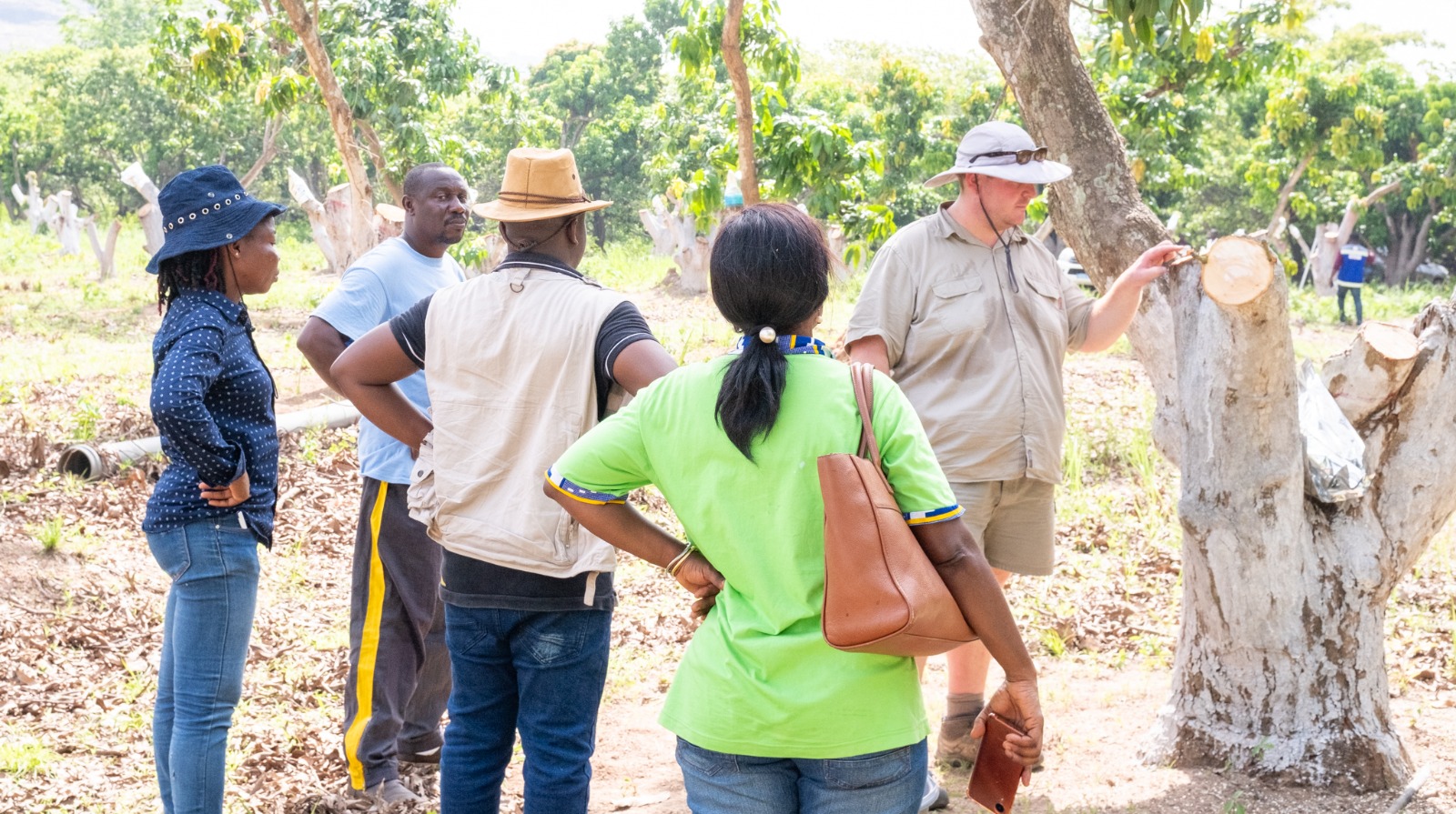
The Mango Agropark in Korhogo is a transformative agricultural project designed to modernize Côte d’Ivoire’s mango industry and strengthen its position in global markets. Once completed, it will integrate advanced processing, storage, and farming facilities to reduce post-harvest losses, enhance quality, and create sustainable economic growth for local producers and communities.
- 20,000 tons/year mango processing capacity
- 5 Storage units
- 4,000-ton central sillo


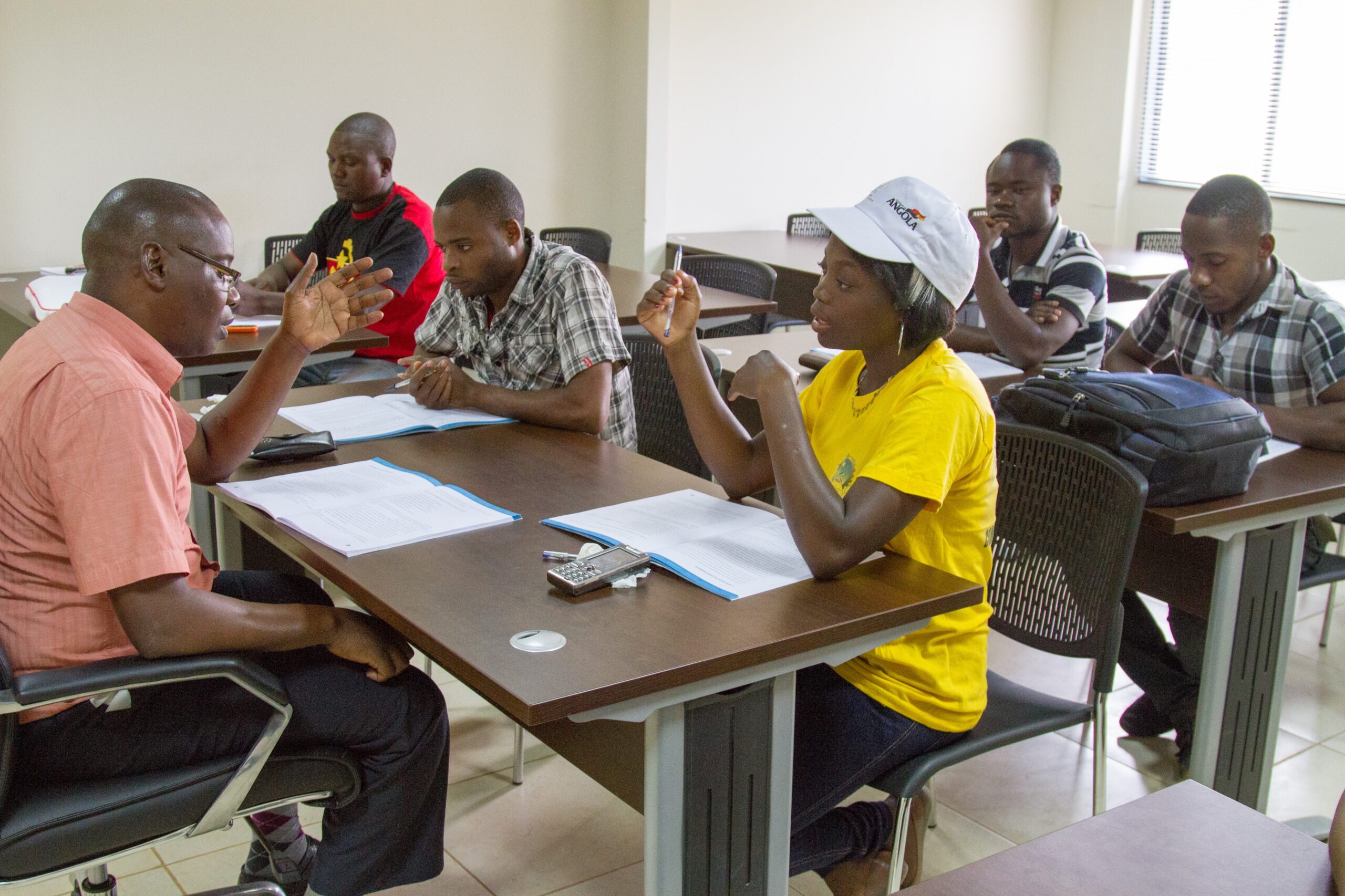
The CLESE network established entrepreneurship and employment centers across Angola to promote innovation, business development, and youth empowerment. By providing training, mentorship, and incubator spaces, the initiative has strengthened local economies, supported thousands of entrepreneurs, and generated lasting employment opportunities nationwide.
- 10 centers
- 50,000 graduates in 10 years
- 200 direct jobs
- Thousands of SMEs and jobs created

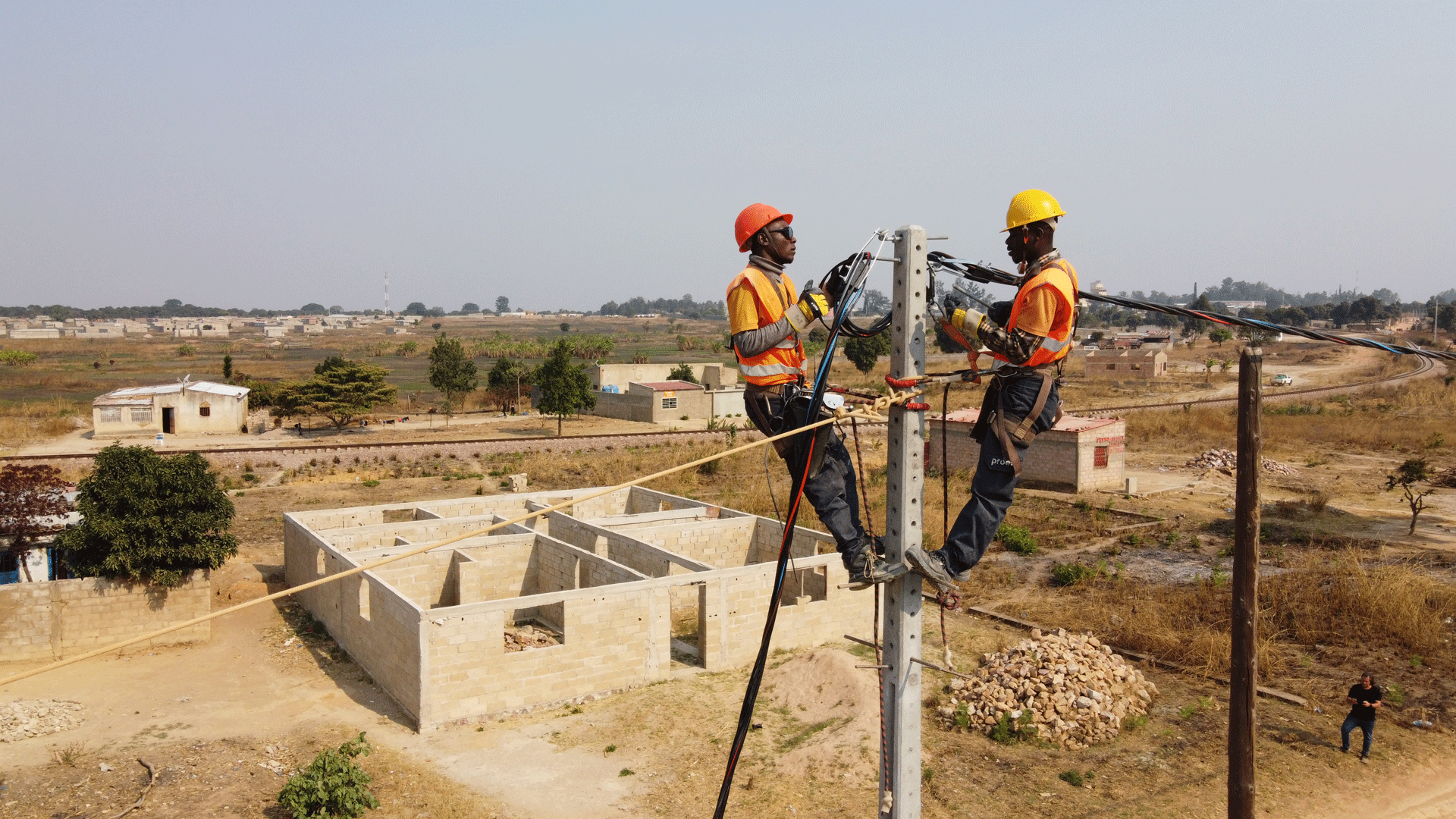
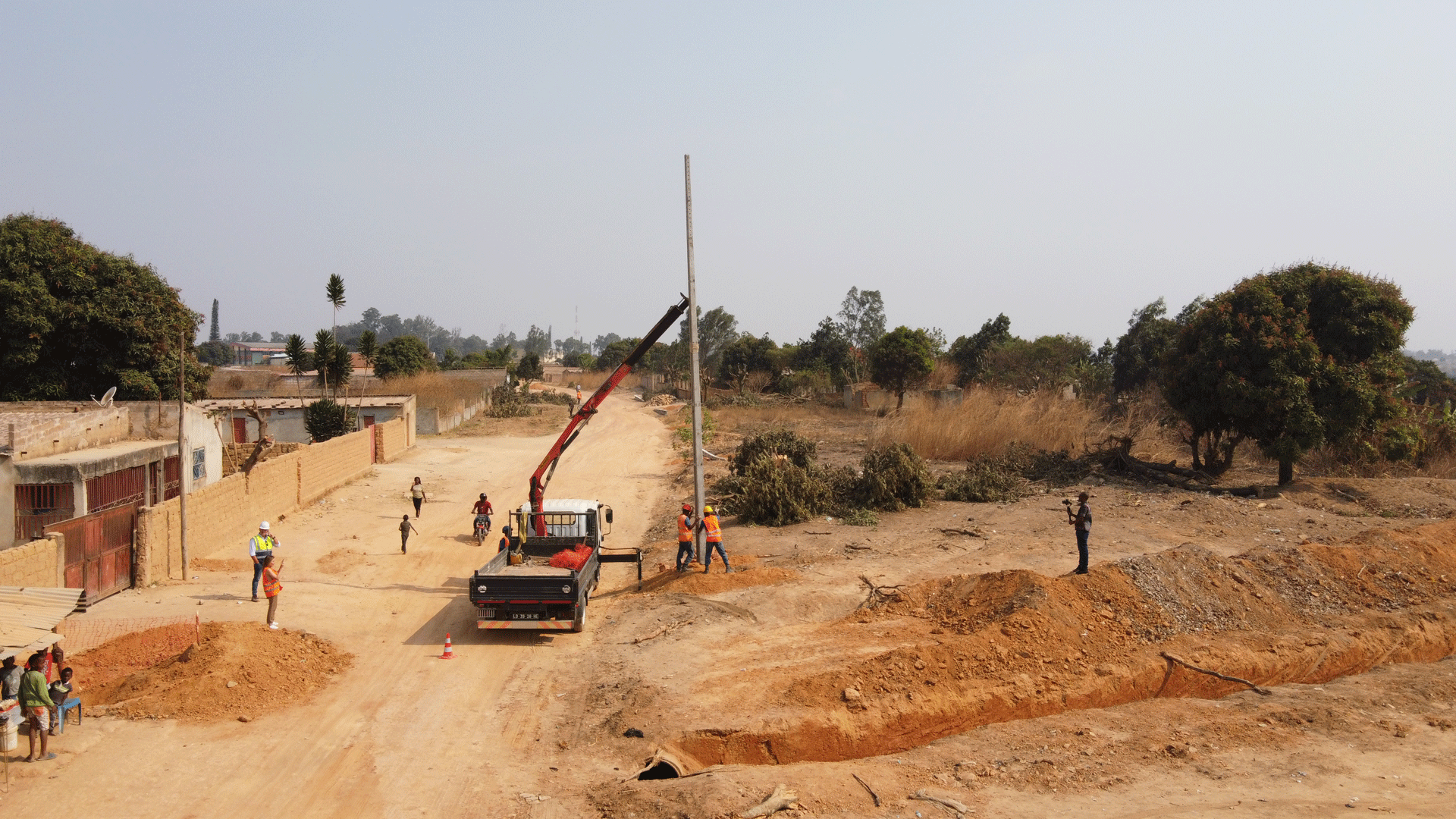
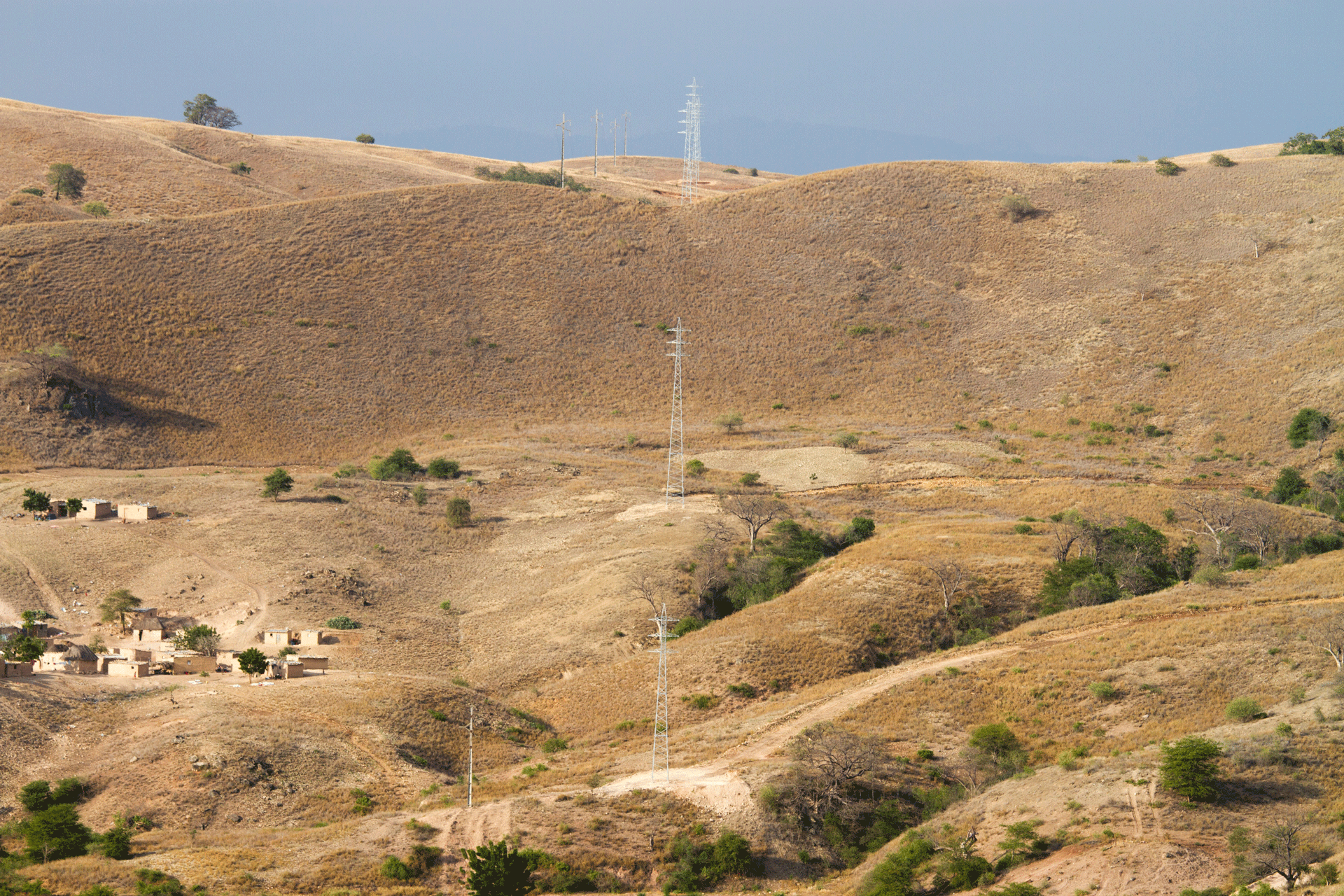
The Uíge Province Electrification Project brought reliable power to communities across Uíge, expanding access to electricity and improving the quality of life. Through new power lines, substations, and household connections, the initiative strengthened local infrastructure, supported economic growth, and advanced sustainable energy development in the region.
- 300,000 people gained access to electricity
- 600 km of power lines installed
- 7 substations built
- 10,000+ connections established
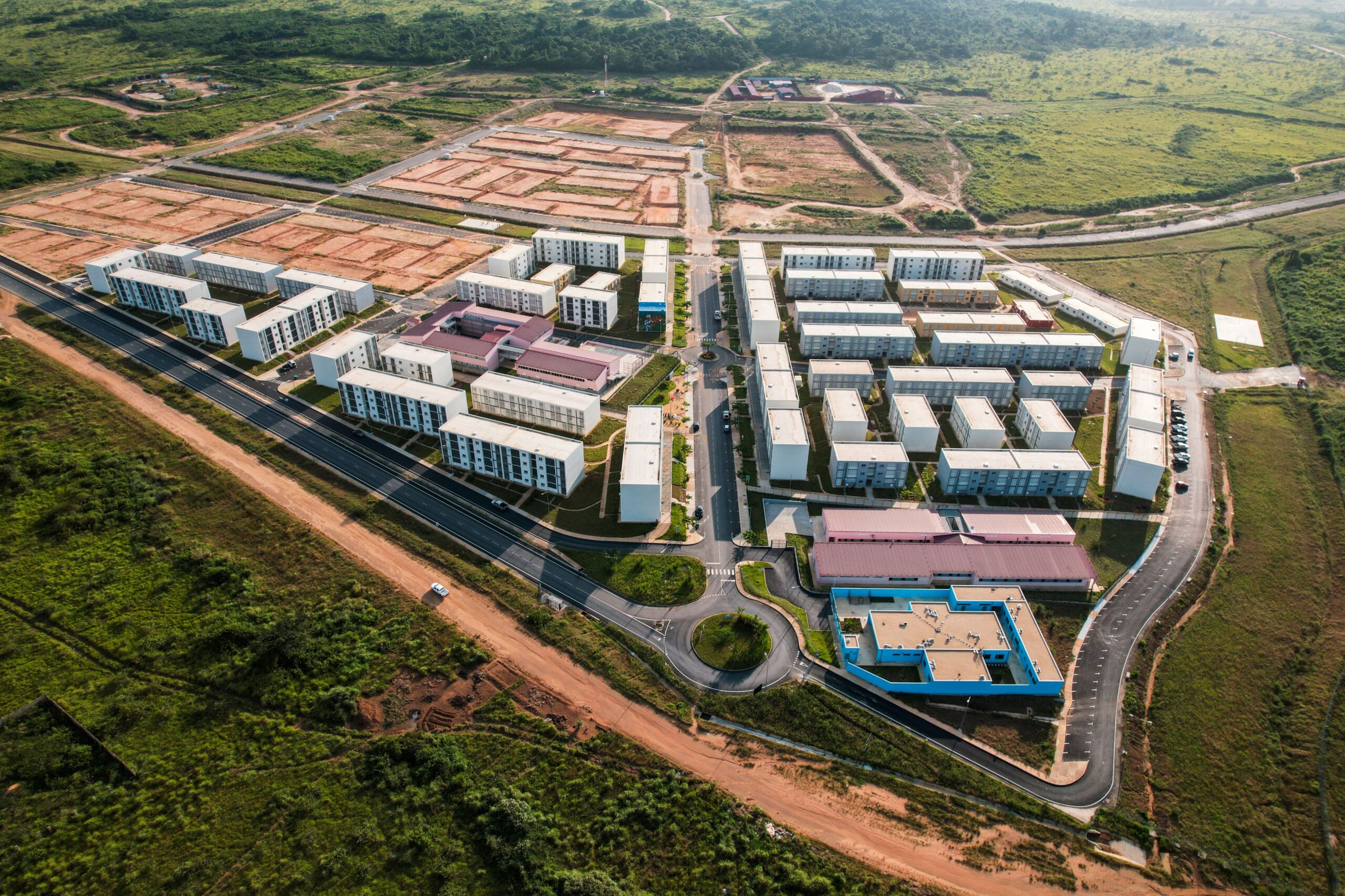
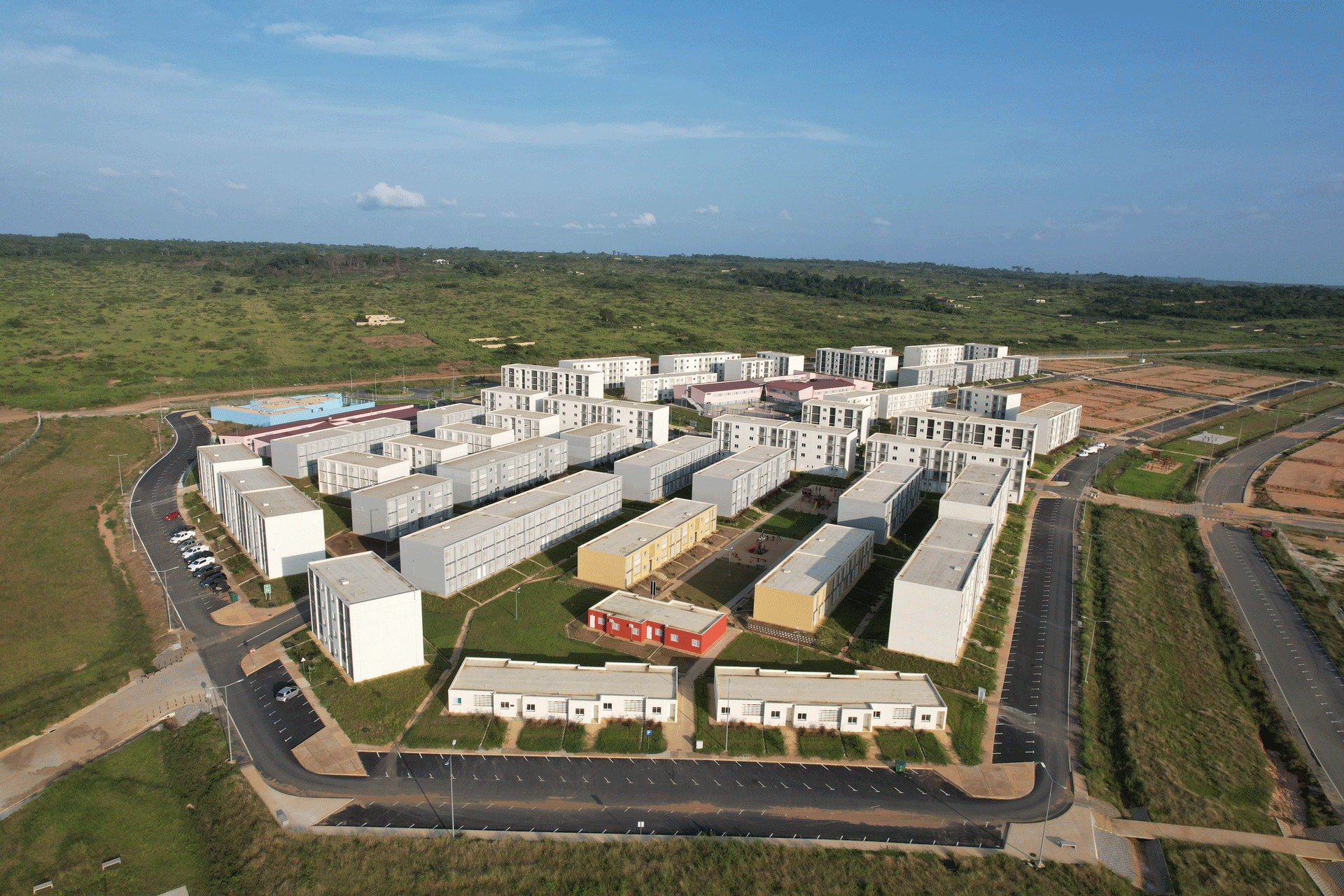
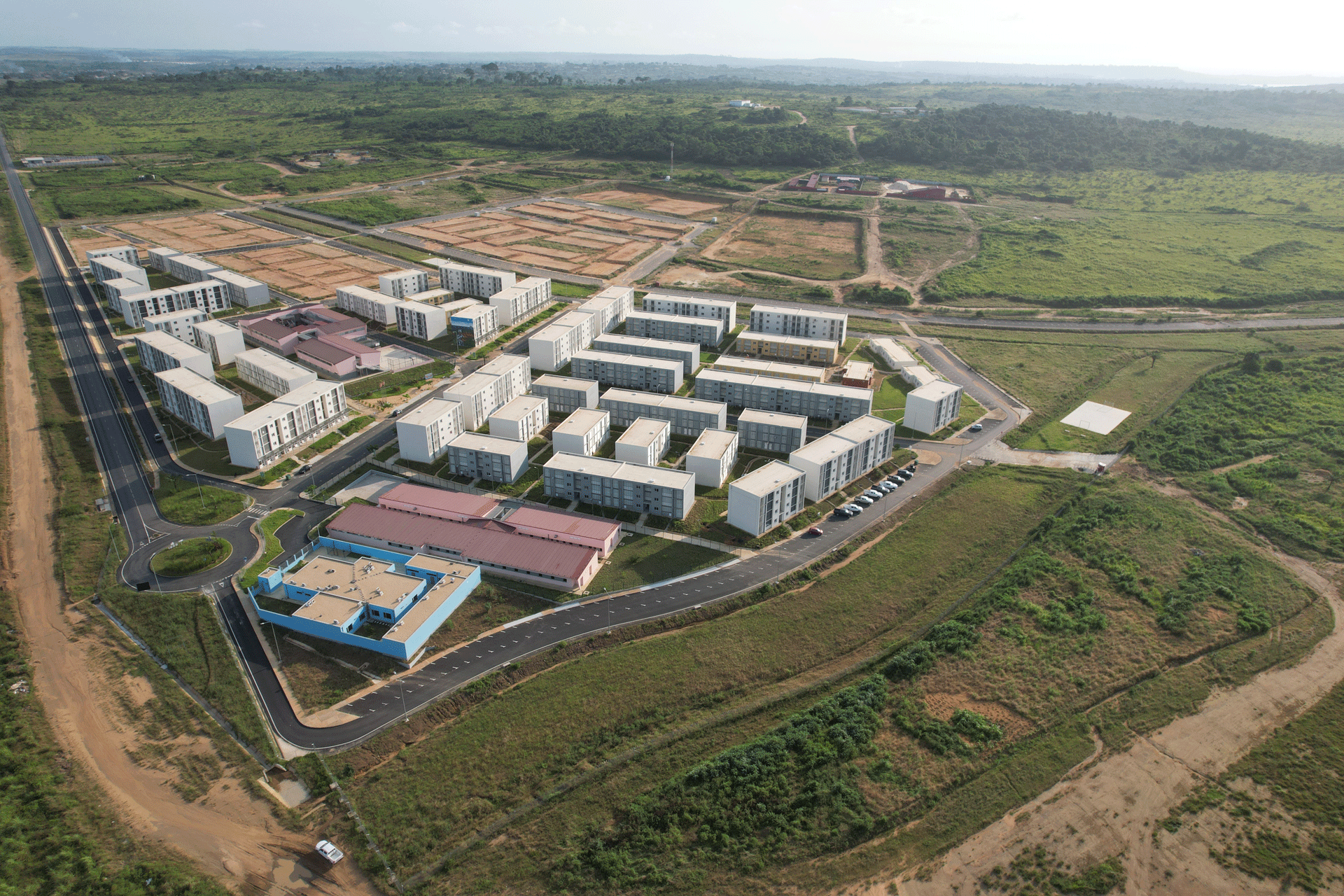
The Cabinda Centrality project improved living conditions through sustainable urban development, providing affordable housing and essential public infrastructure for local residents. By integrating modern facilities and environmentally conscious planning, it enhanced community well-being and set a benchmark for future regional development initiatives.
- 2,940 residents
- 7,084 students
- 470 housing units
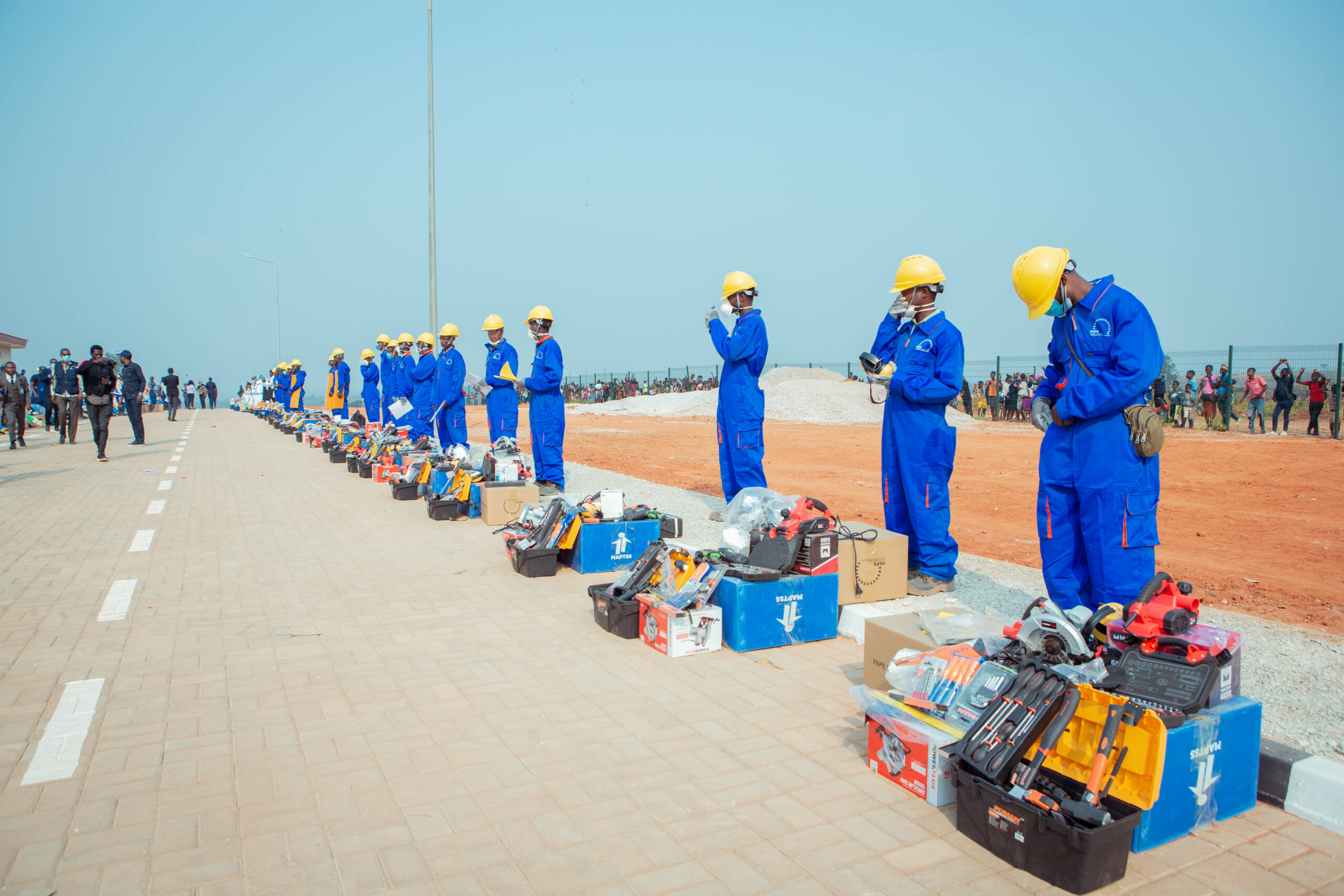


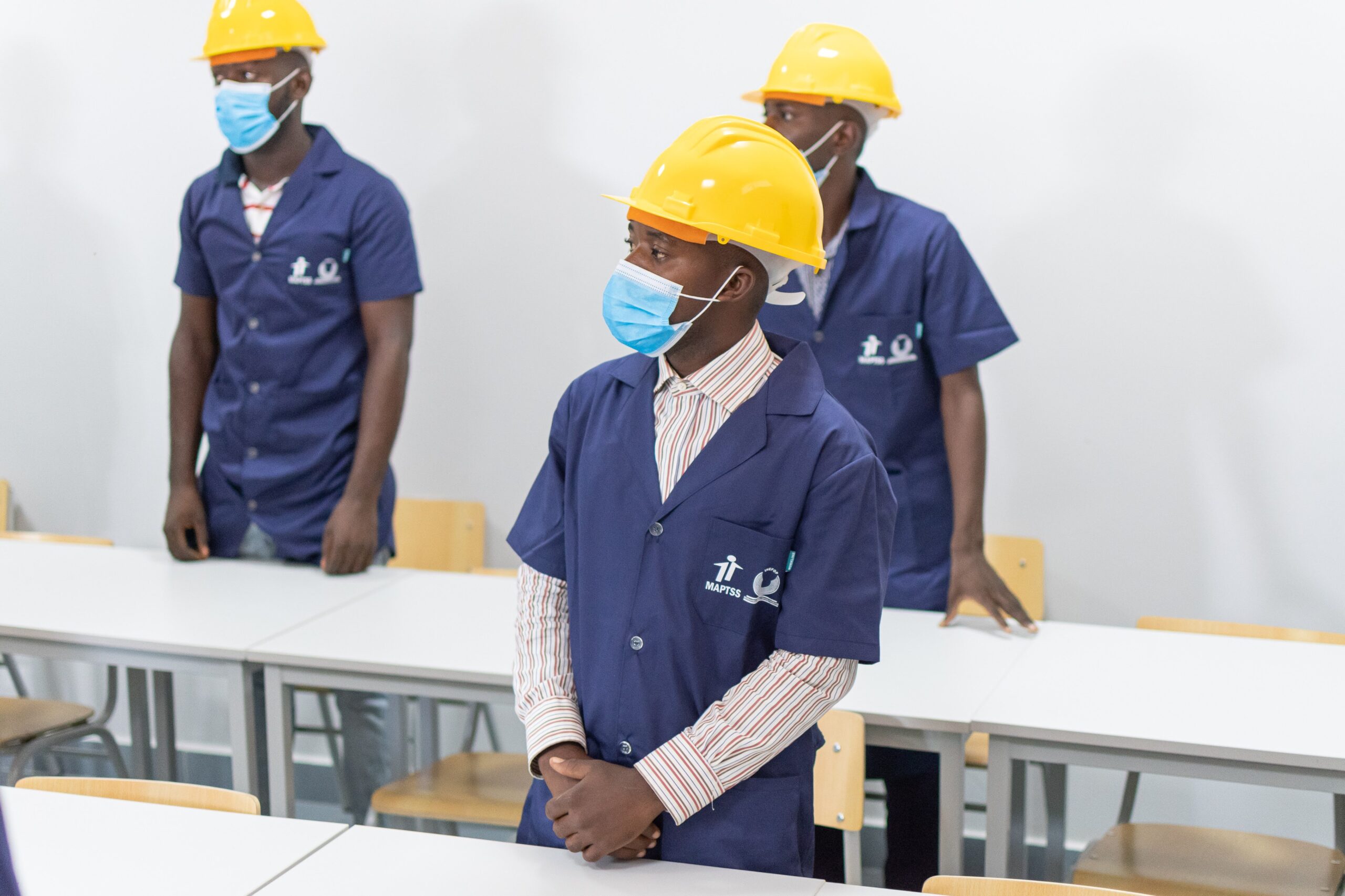
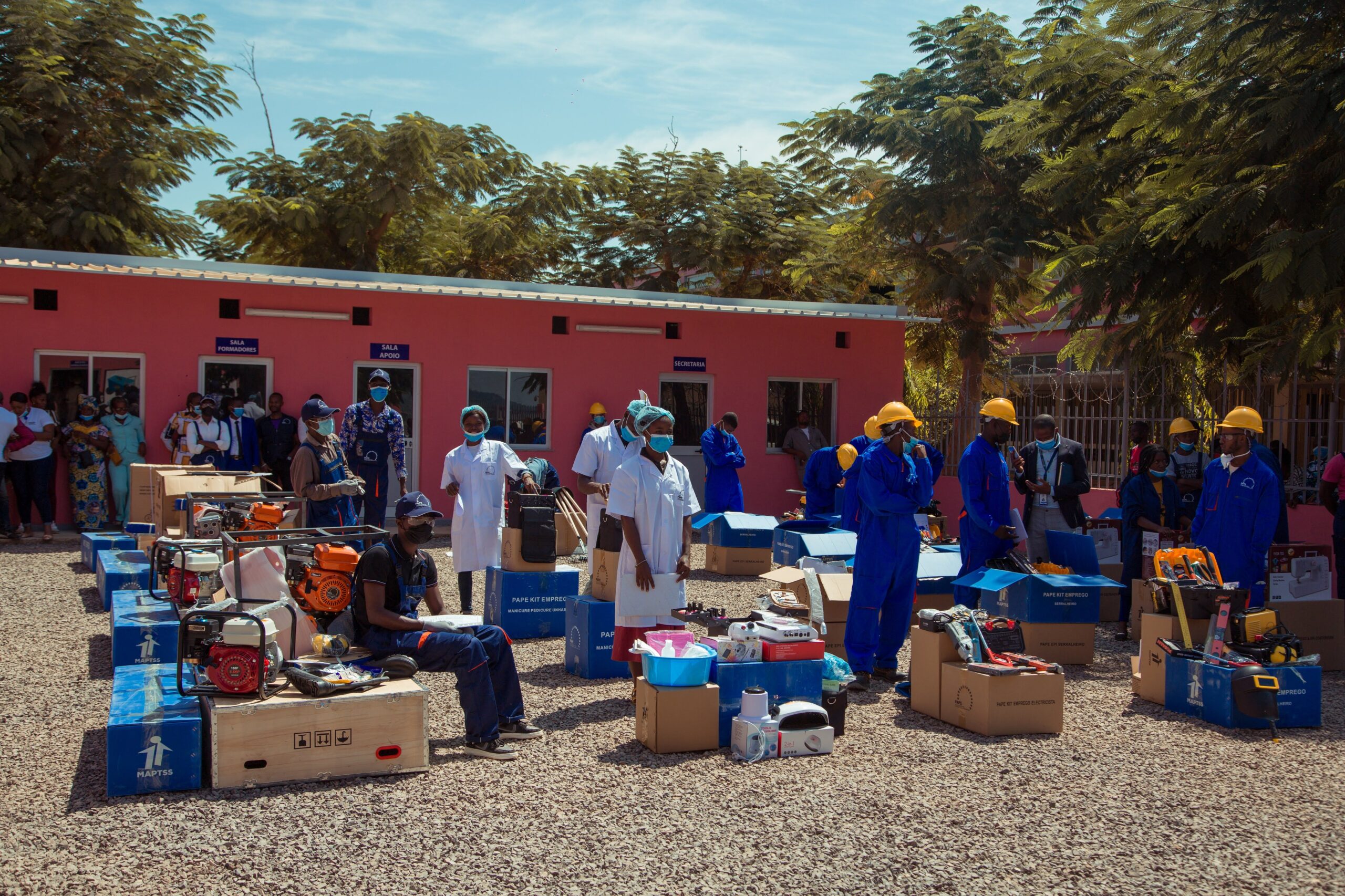
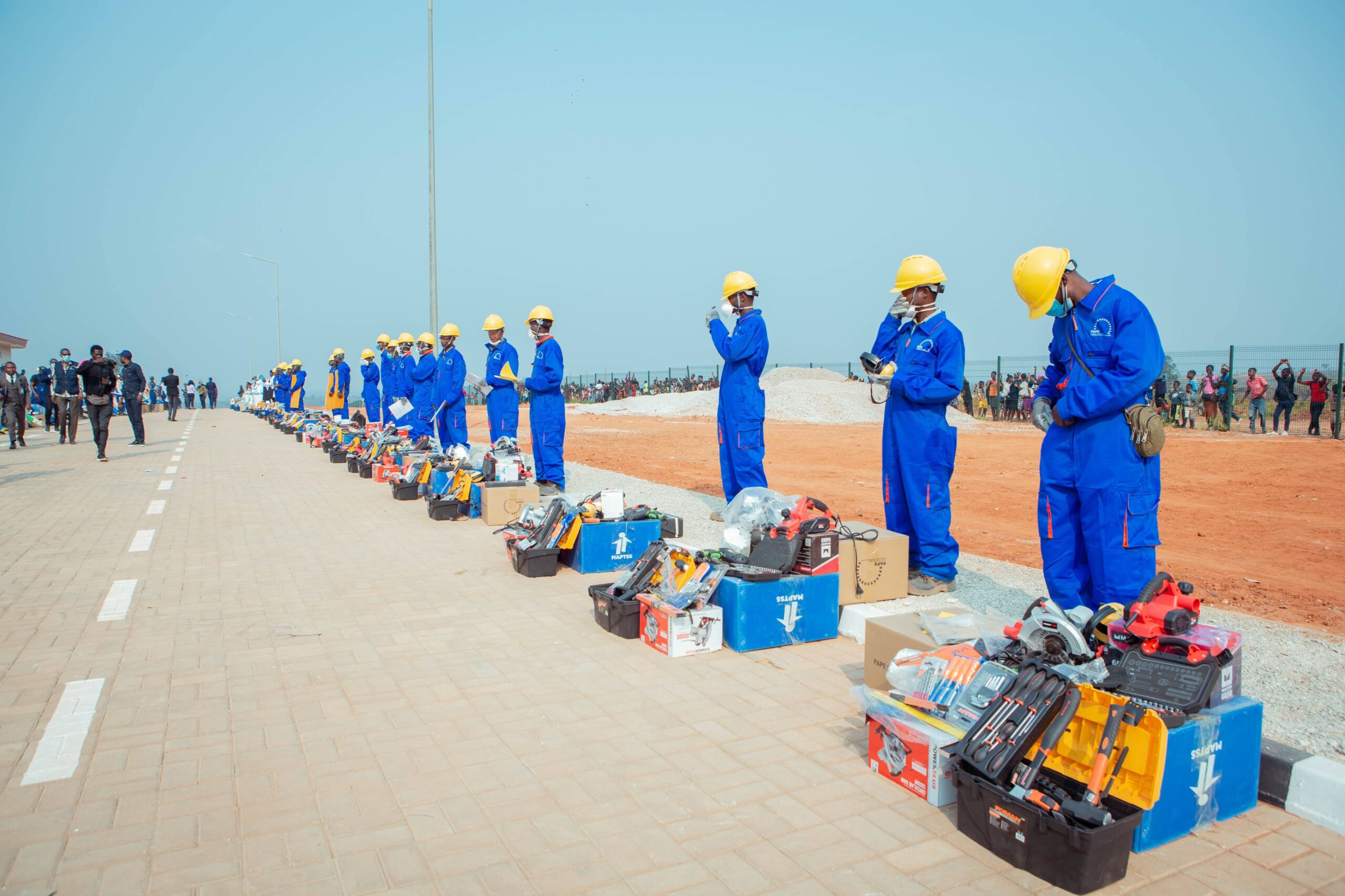
The PAPE Program is Angola’s largest employment initiative, promoting job creation, entrepreneurship, and skills development for young people. Through new and upgraded training centers and the distribution of professional kits, the program equips beneficiaries with practical tools and knowledge to build sustainable careers and strengthen the formal economy.
- 37,000 professional kits
- 9 training centers established

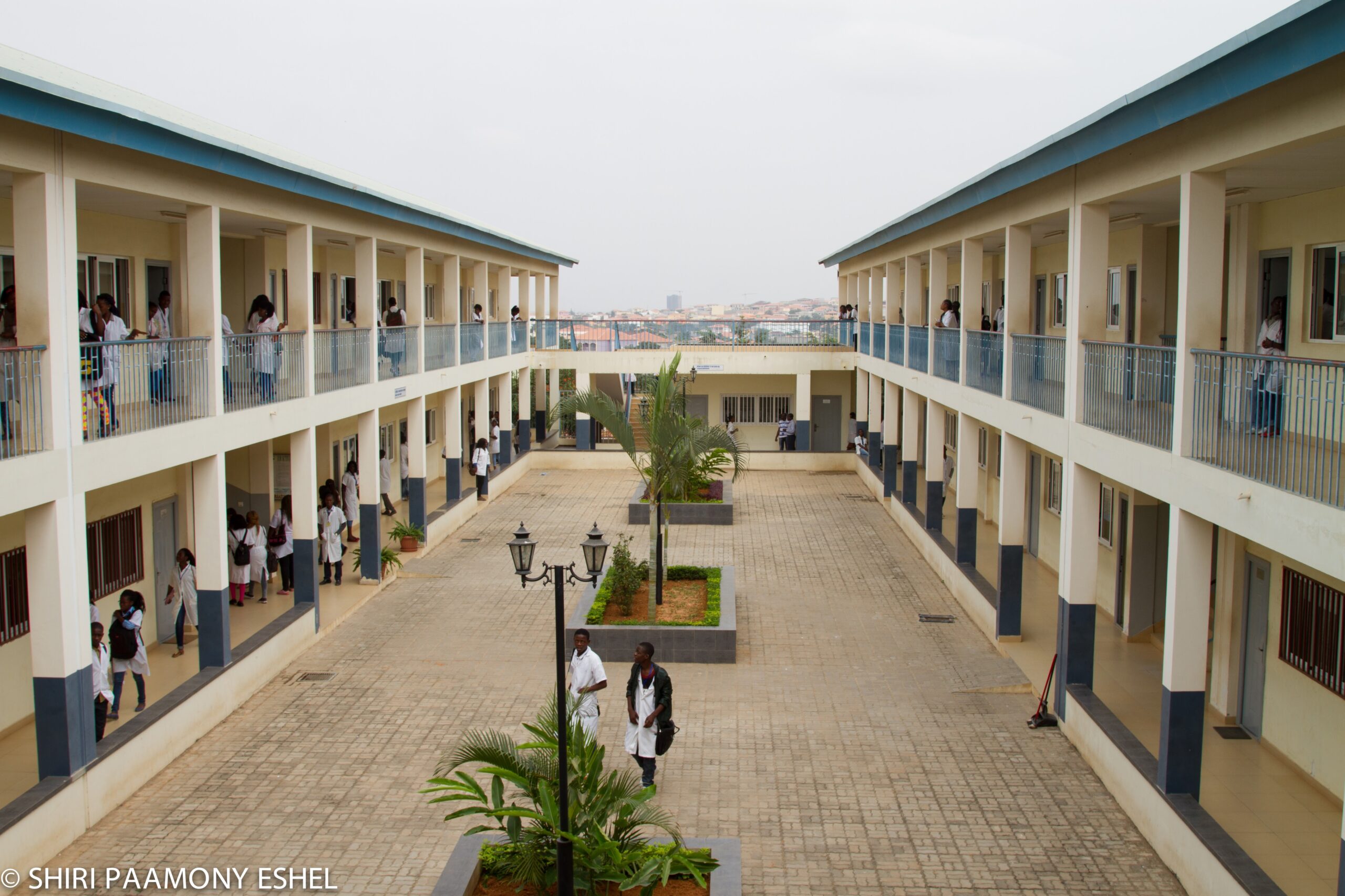

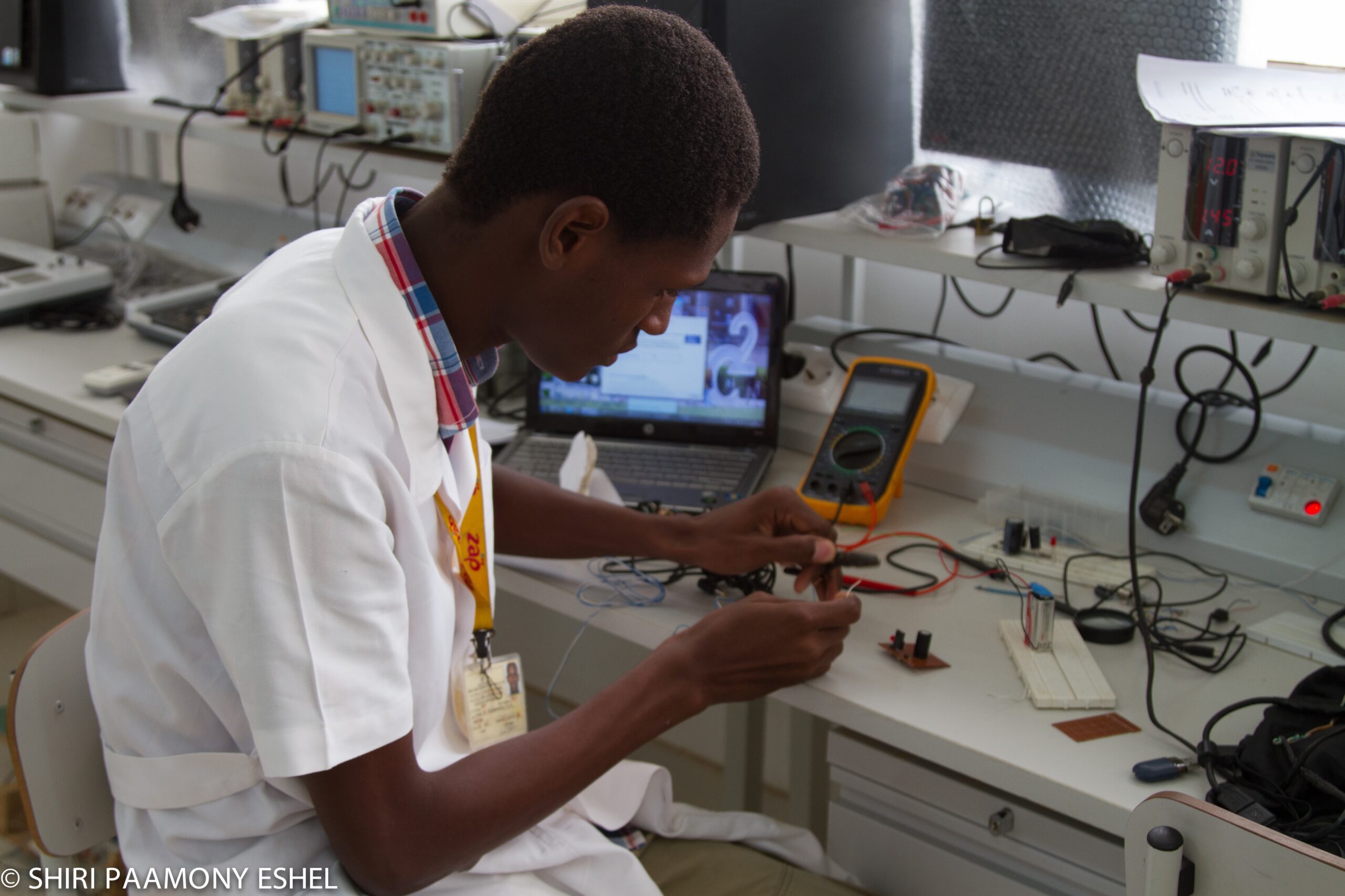
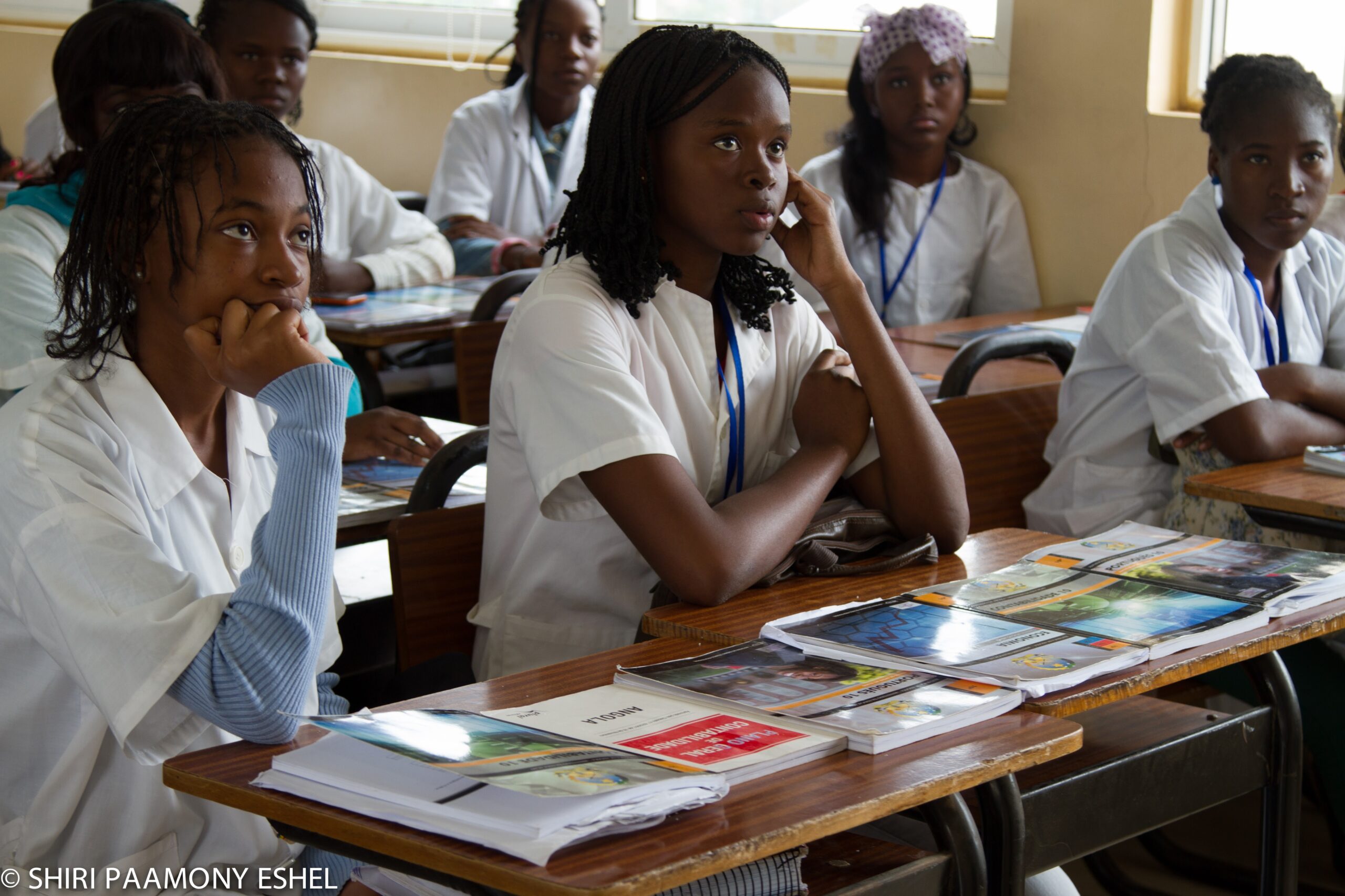


The RETEP Program revitalized Angola’s technical and vocational education network, rehabilitating schools and modernizing training across the country. By improving infrastructure, updating curricula, and training teachers, the initiative strengthened workforce readiness and equipped thousands of students with practical skills aligned with labor market needs.”
- 52 schools
- 10,000 teachers
- 100,000 graduates

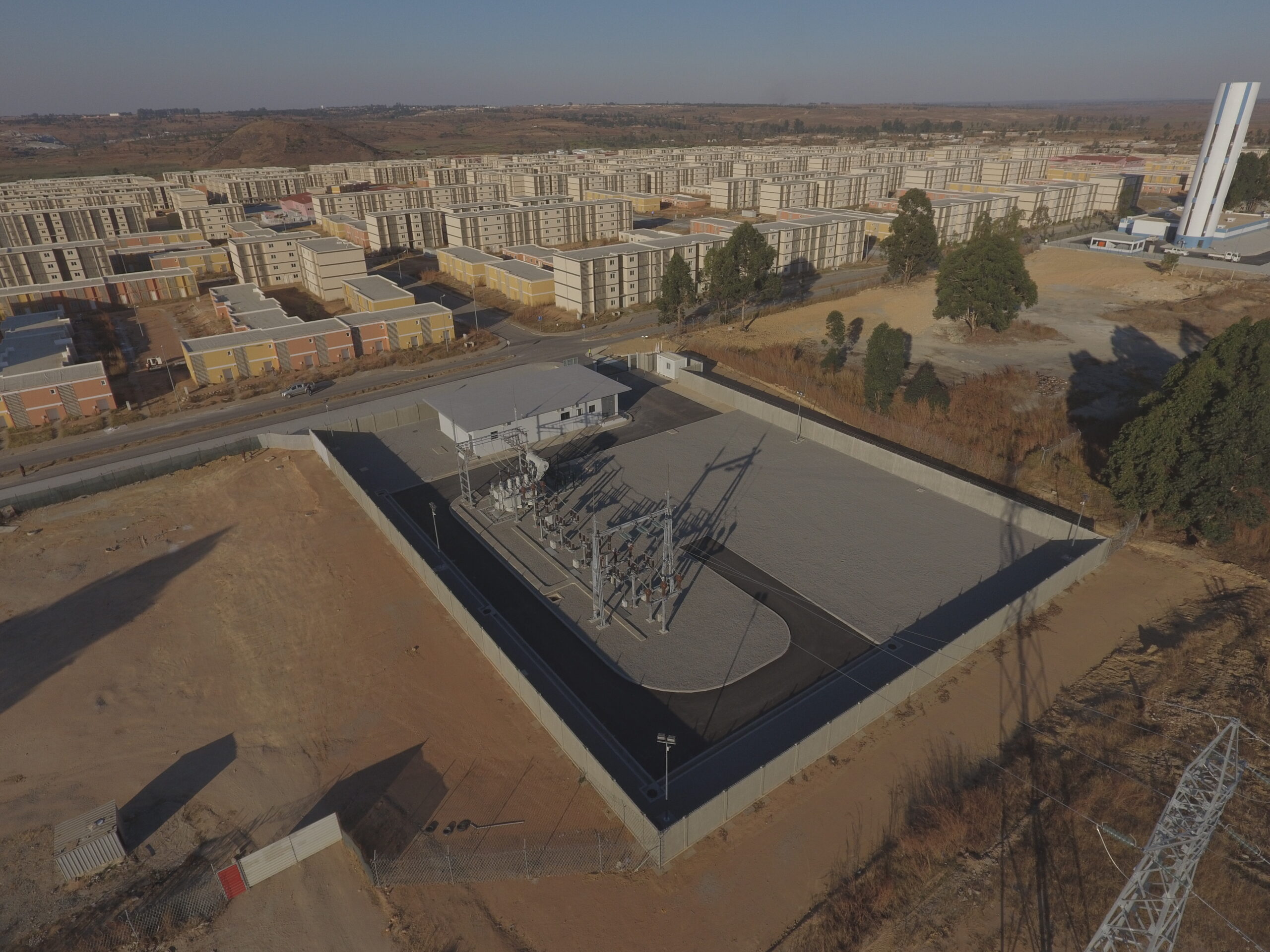

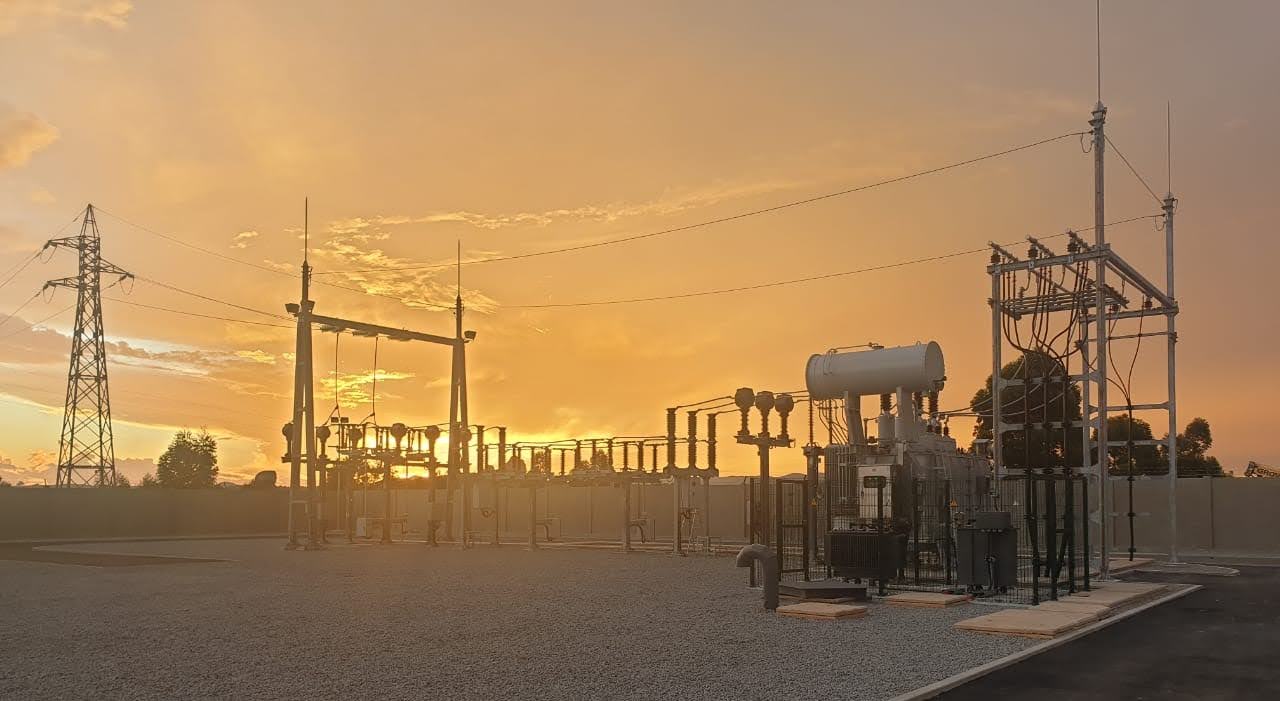
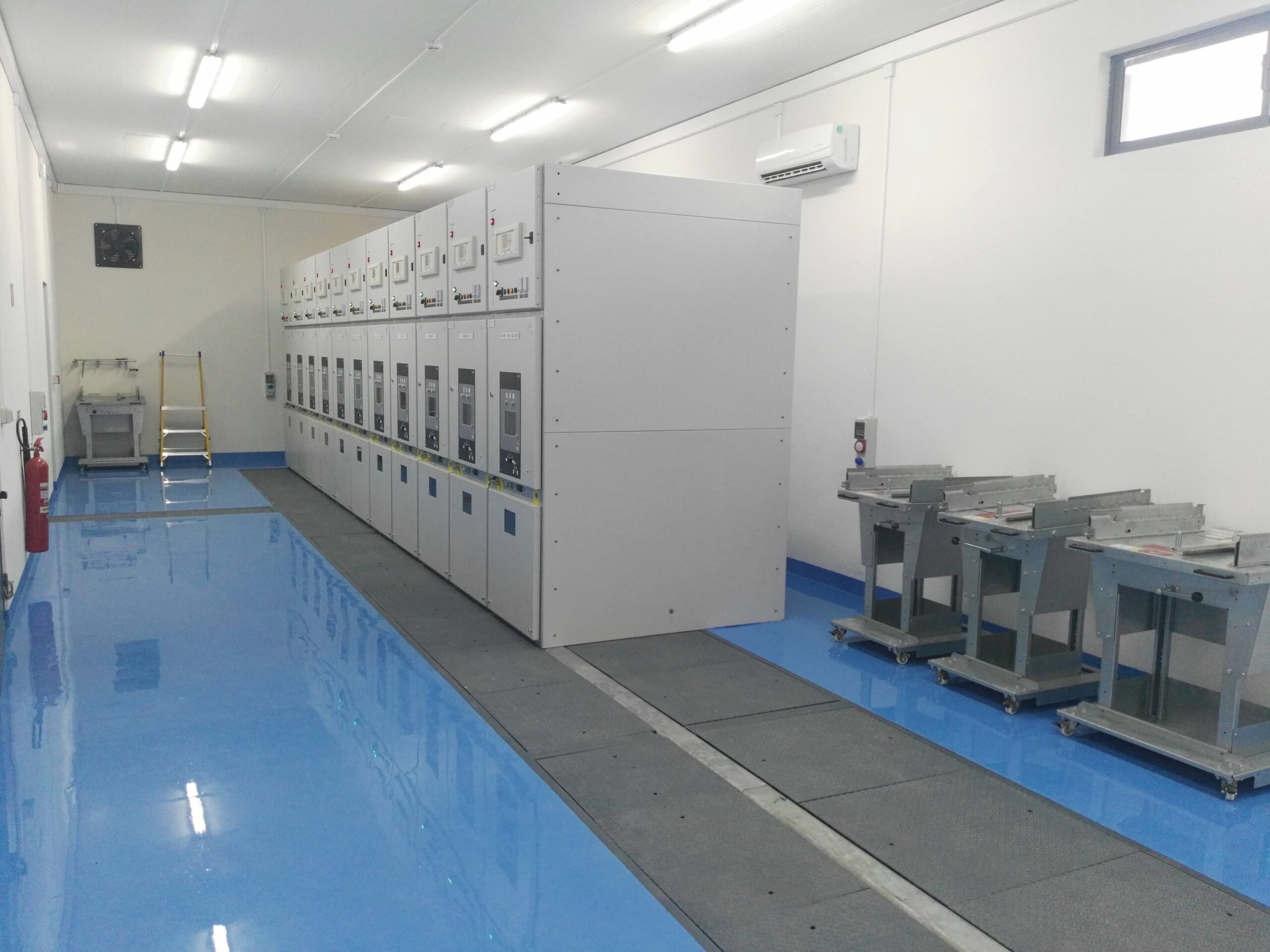
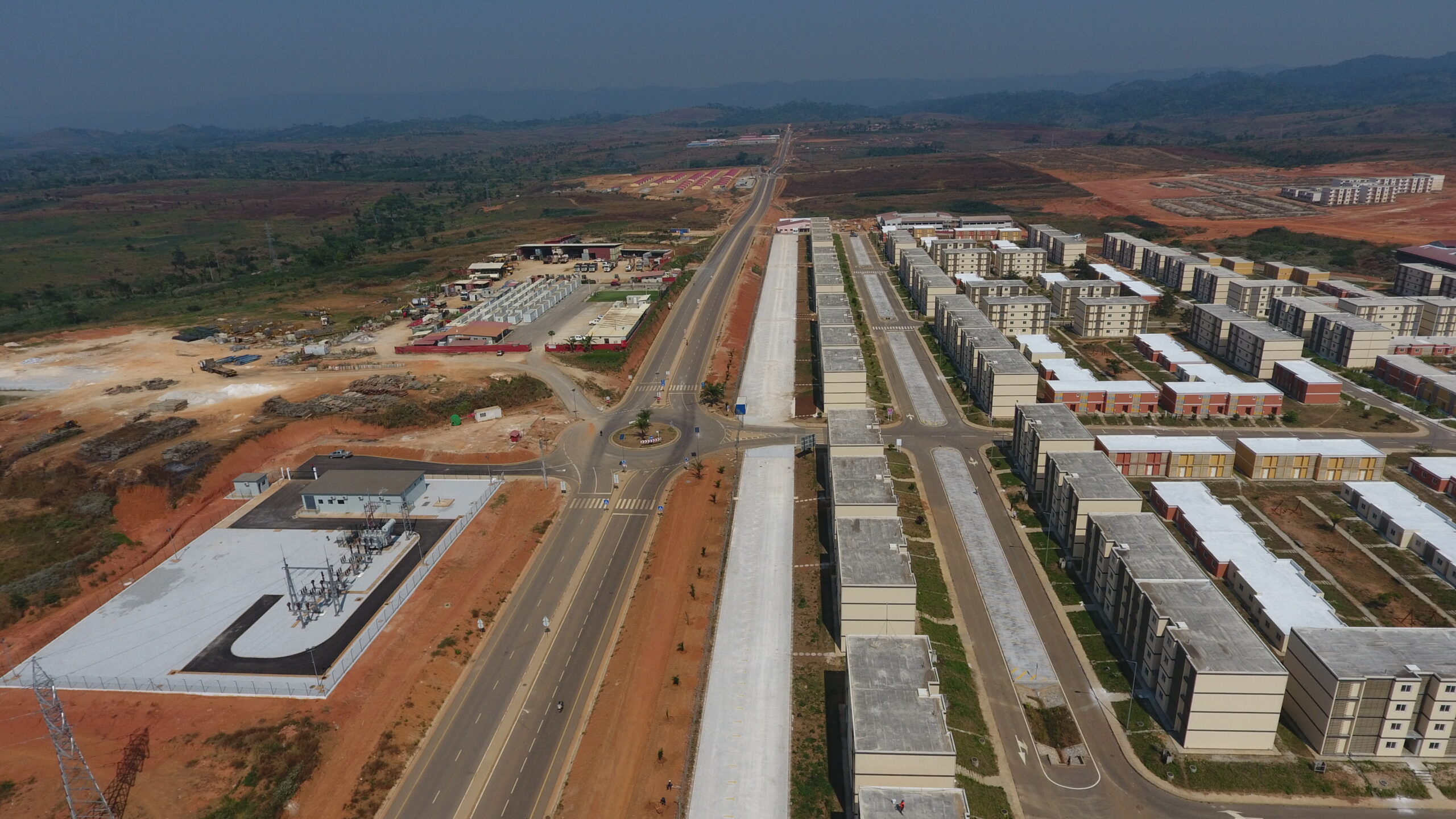
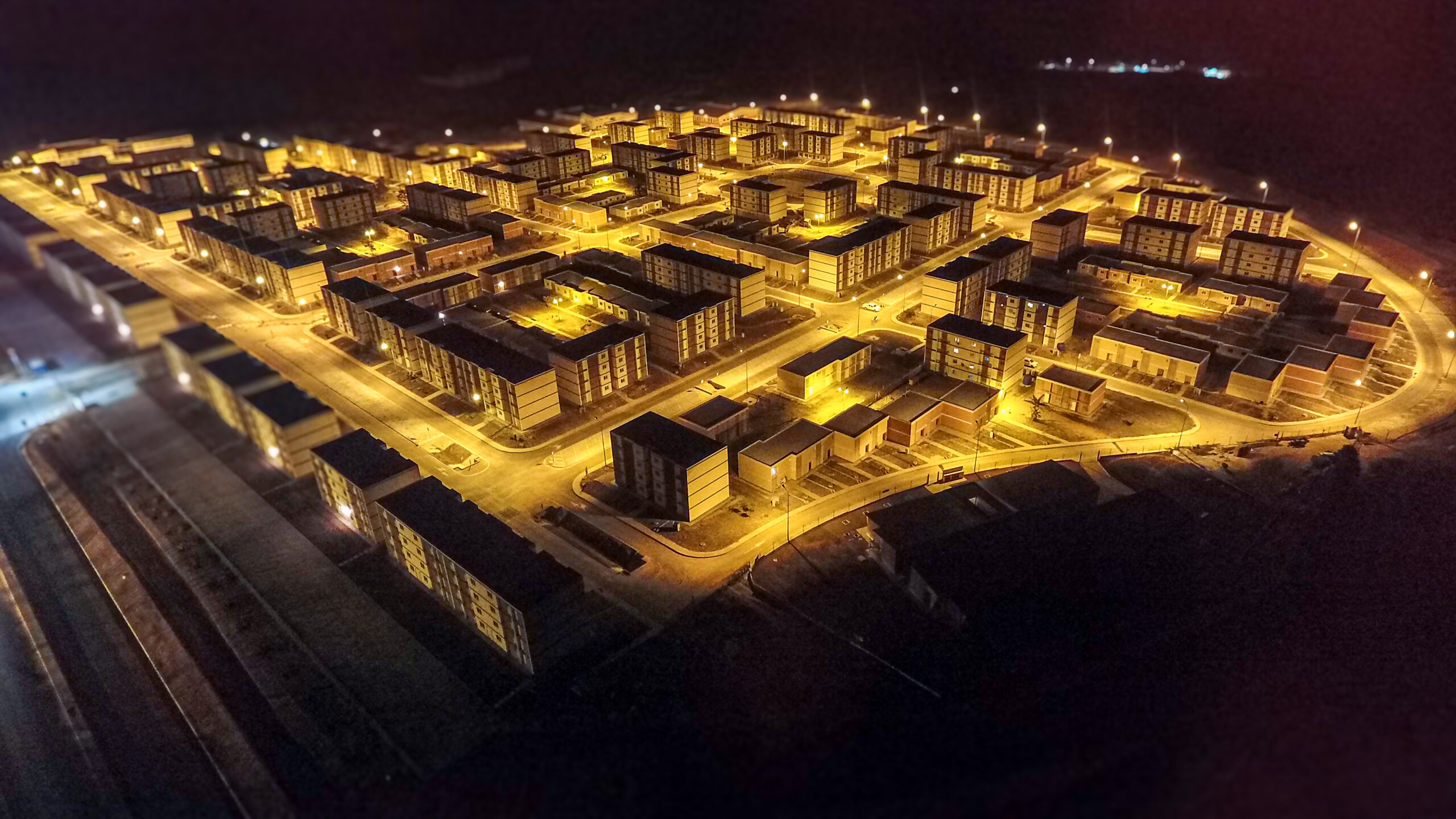
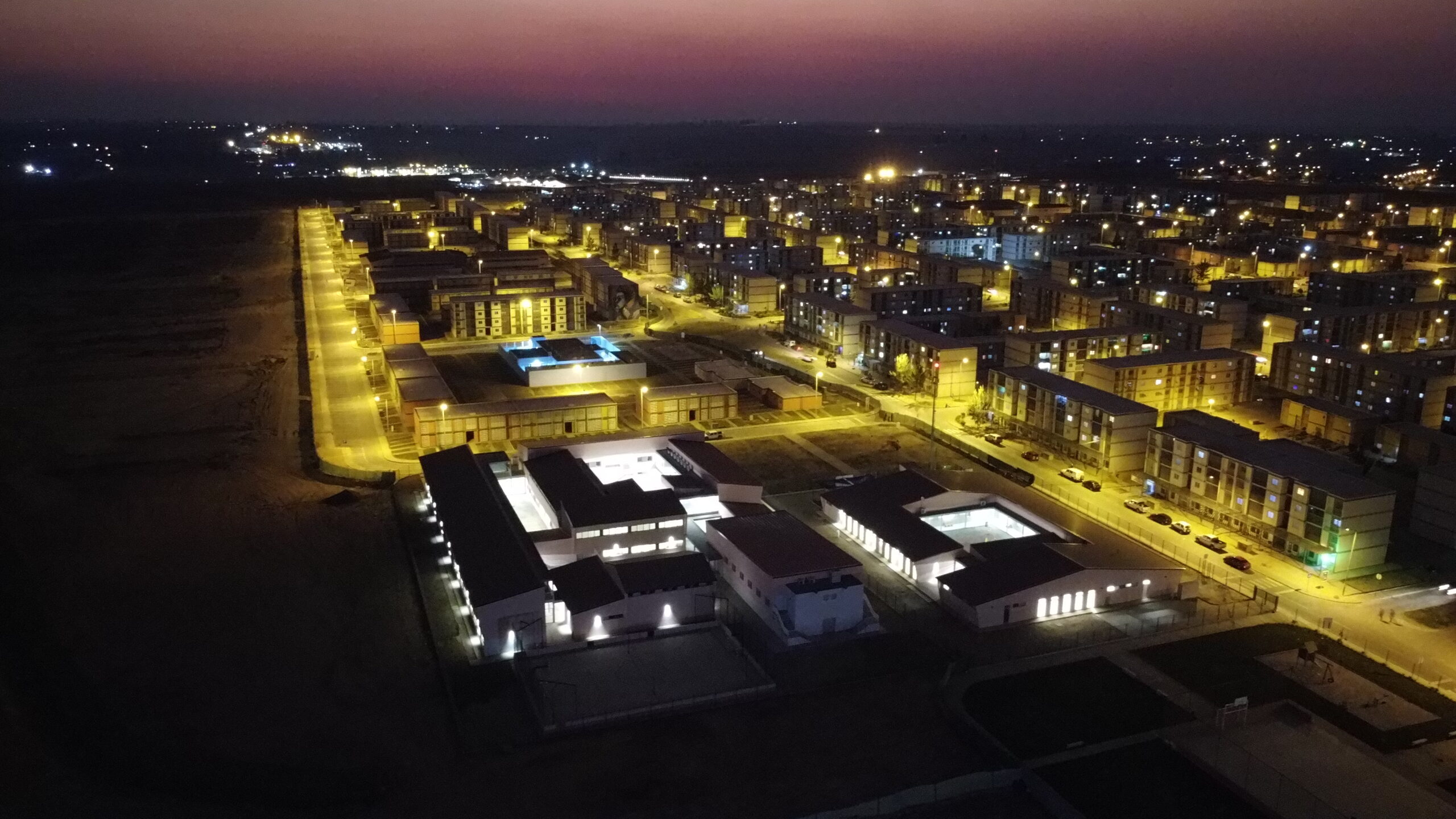
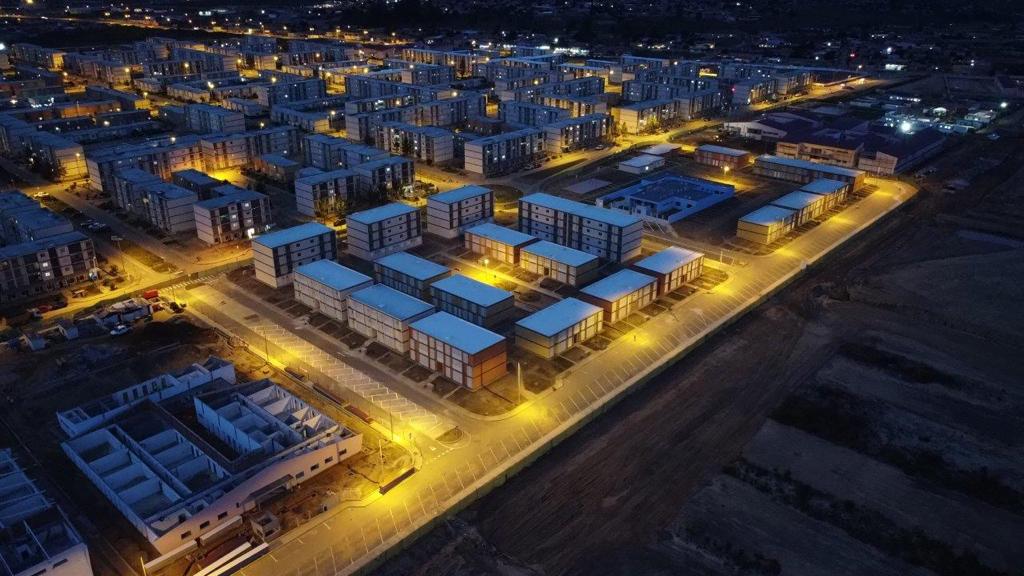
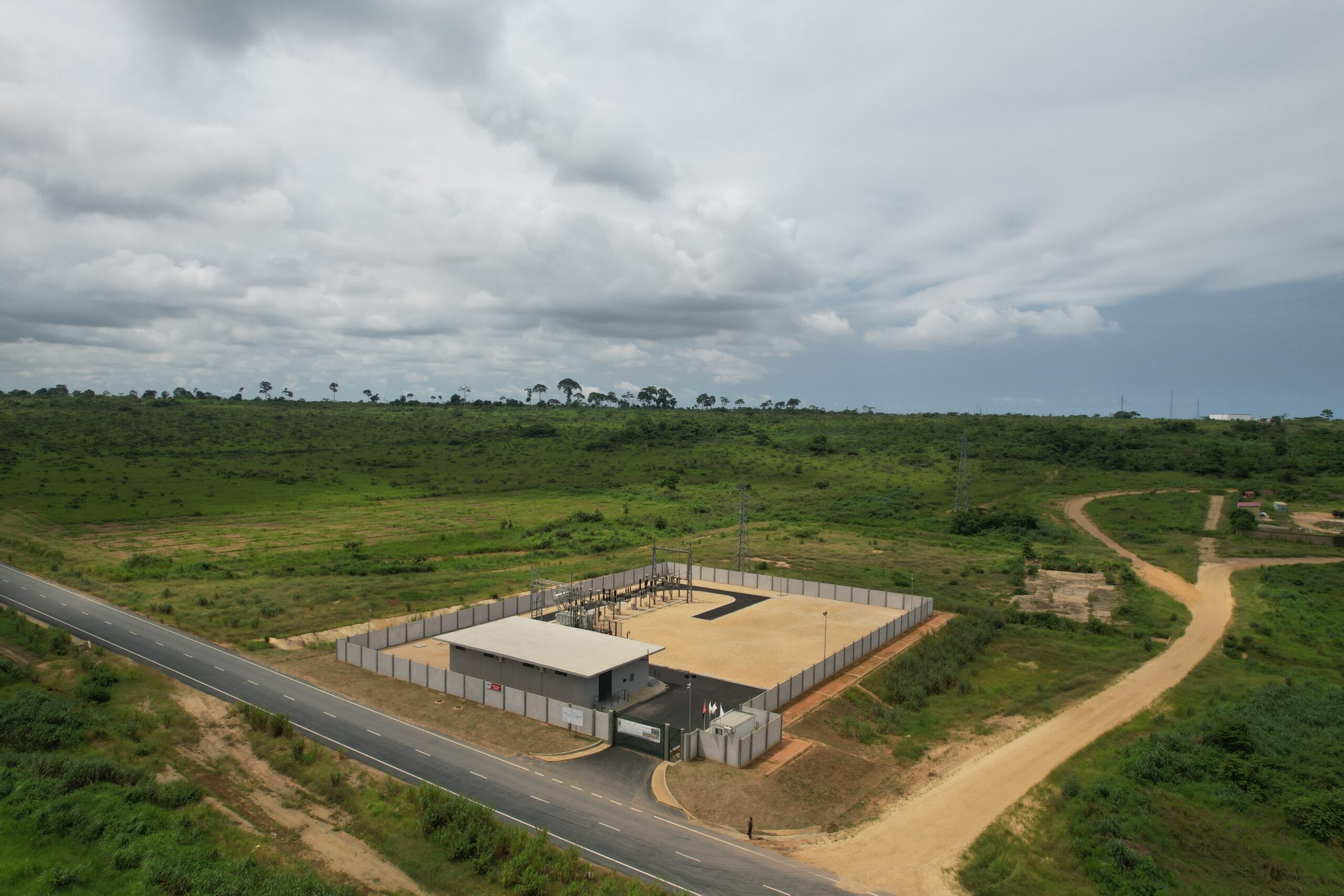
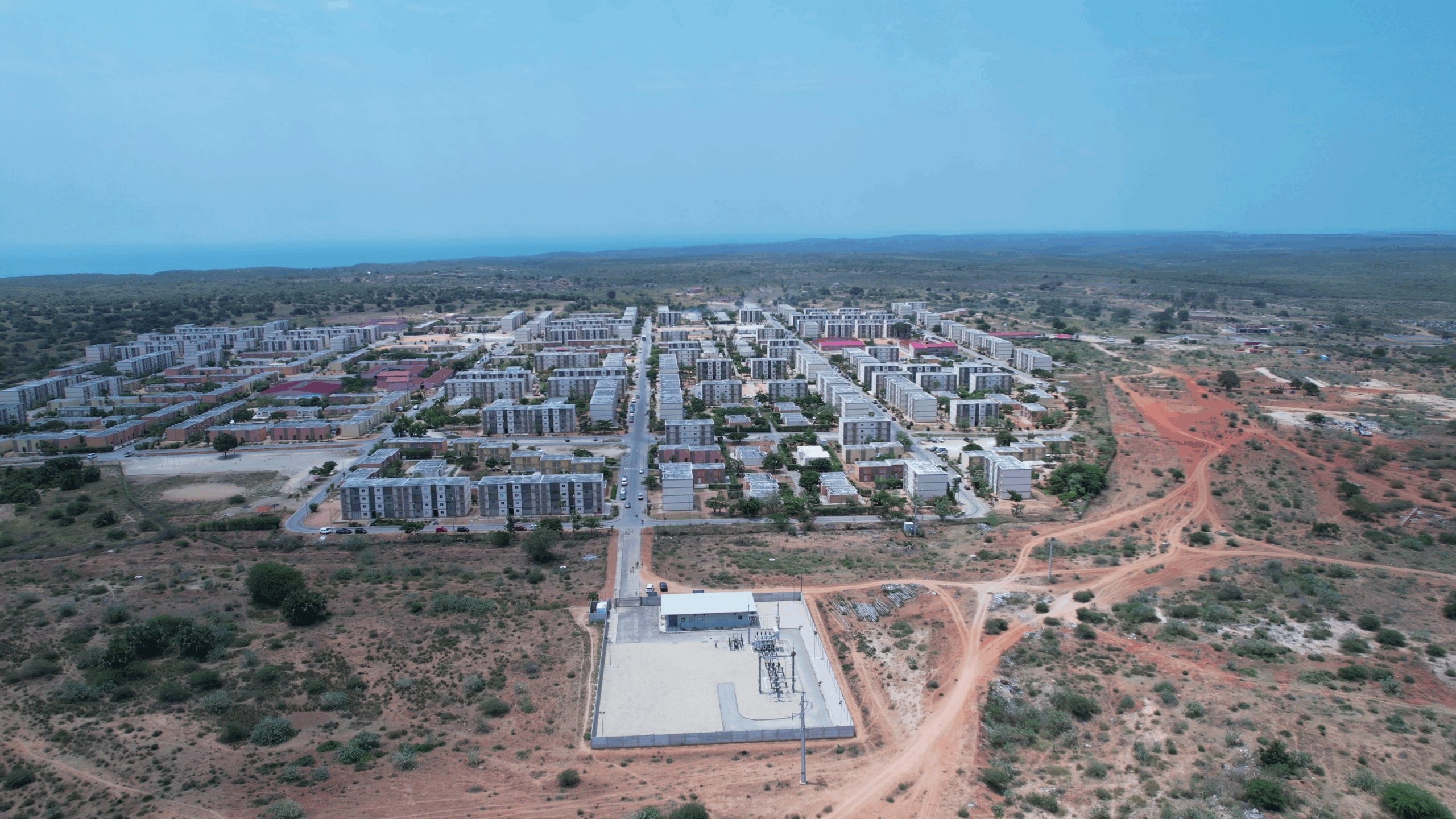
The Angola National Housing Program expanded access to electricity across multiple provinces, improving living conditions and supporting urban development. Through large-scale electrification, infrastructure upgrades, and workforce training, the project provided reliable power to thousands of families while promoting sustainable growth and community well-being.
- 118,000 people now have stable electricity
- 764 local workers trained

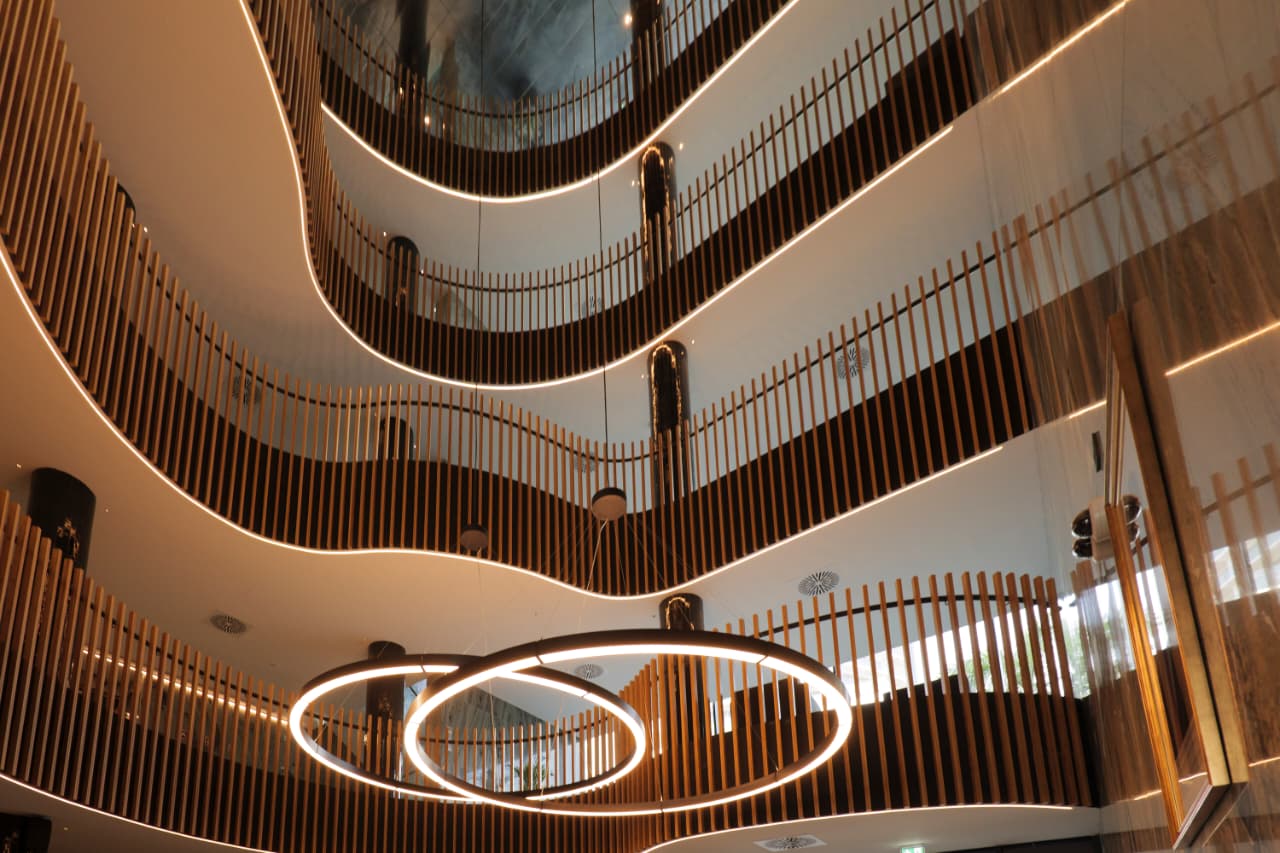
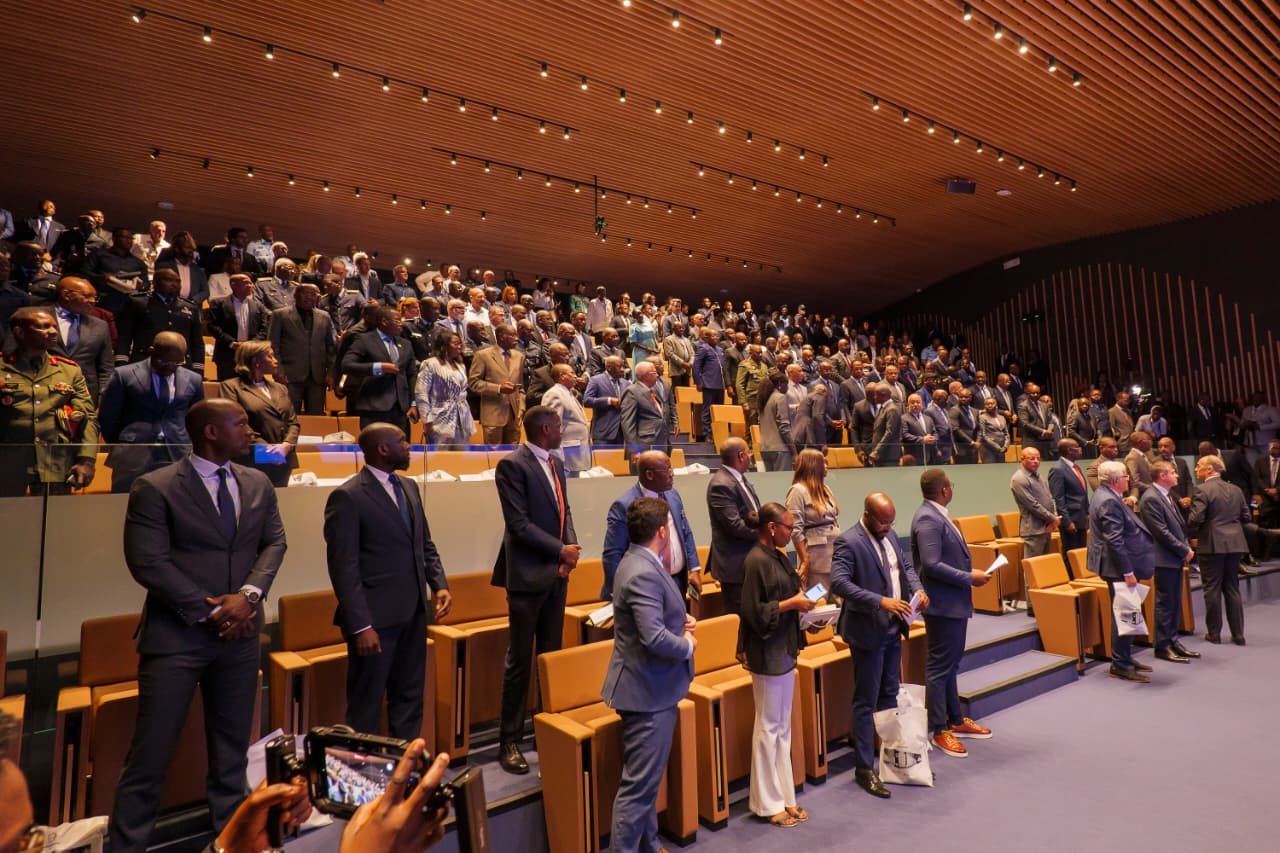

The project revitalized and expanded the Ministry of Interior Headquarters in Luanda, creating a modern, integrated complex that strengthens Angola’s institutional and administrative capacity. The newly inaugurated facility combines the preserved existing structure with new, state-of-the-art spaces designed to enhance functionality, security, and efficiency in public service operations.
- 9,000 m² existing building
- 6,400 m² new building
- 400 m² auditorium with 252 seats
- Technical and support areas
- 1,800 m² of landscaped outdoor space
- Offices for 972 employees
- 4,350 m² of parking

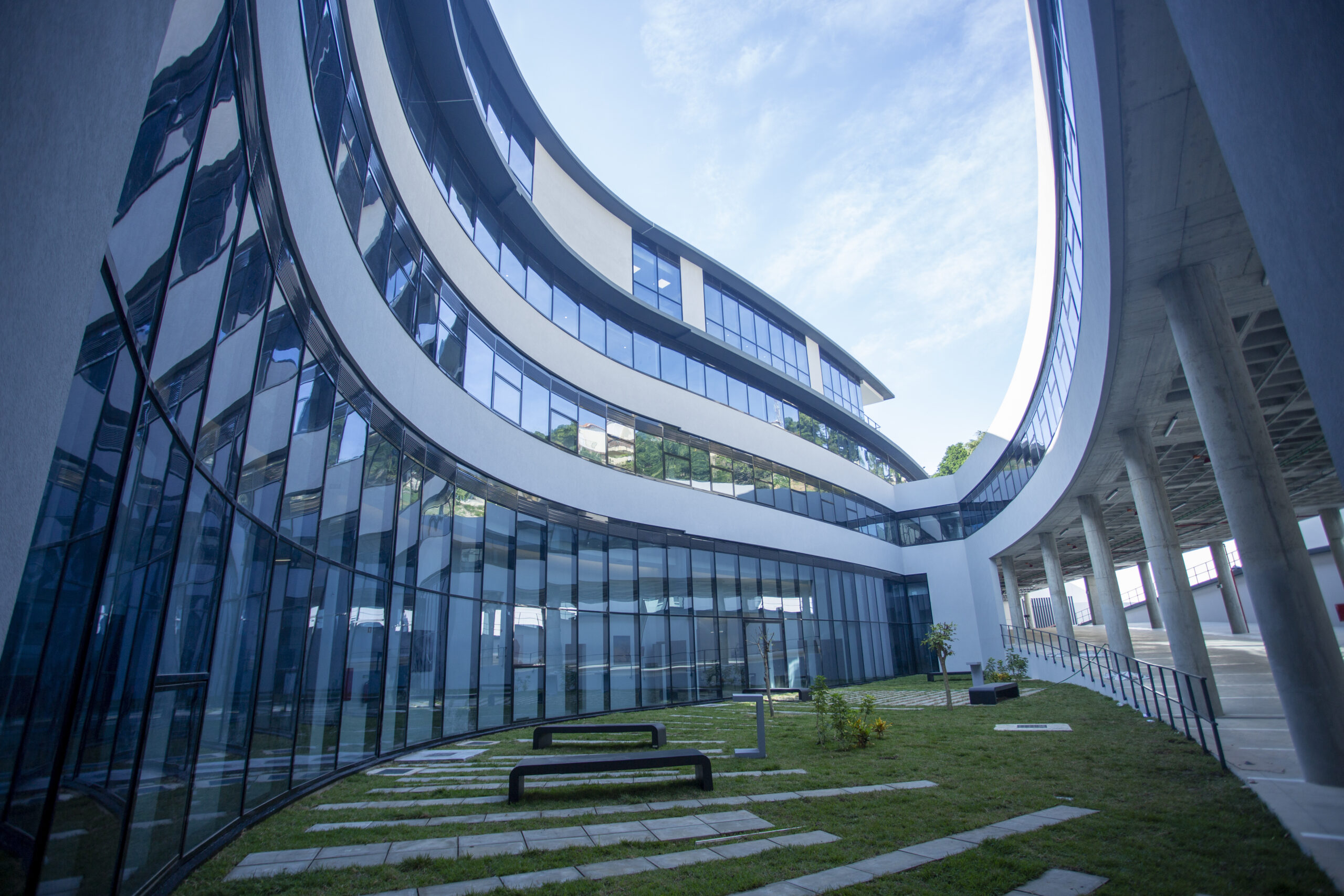
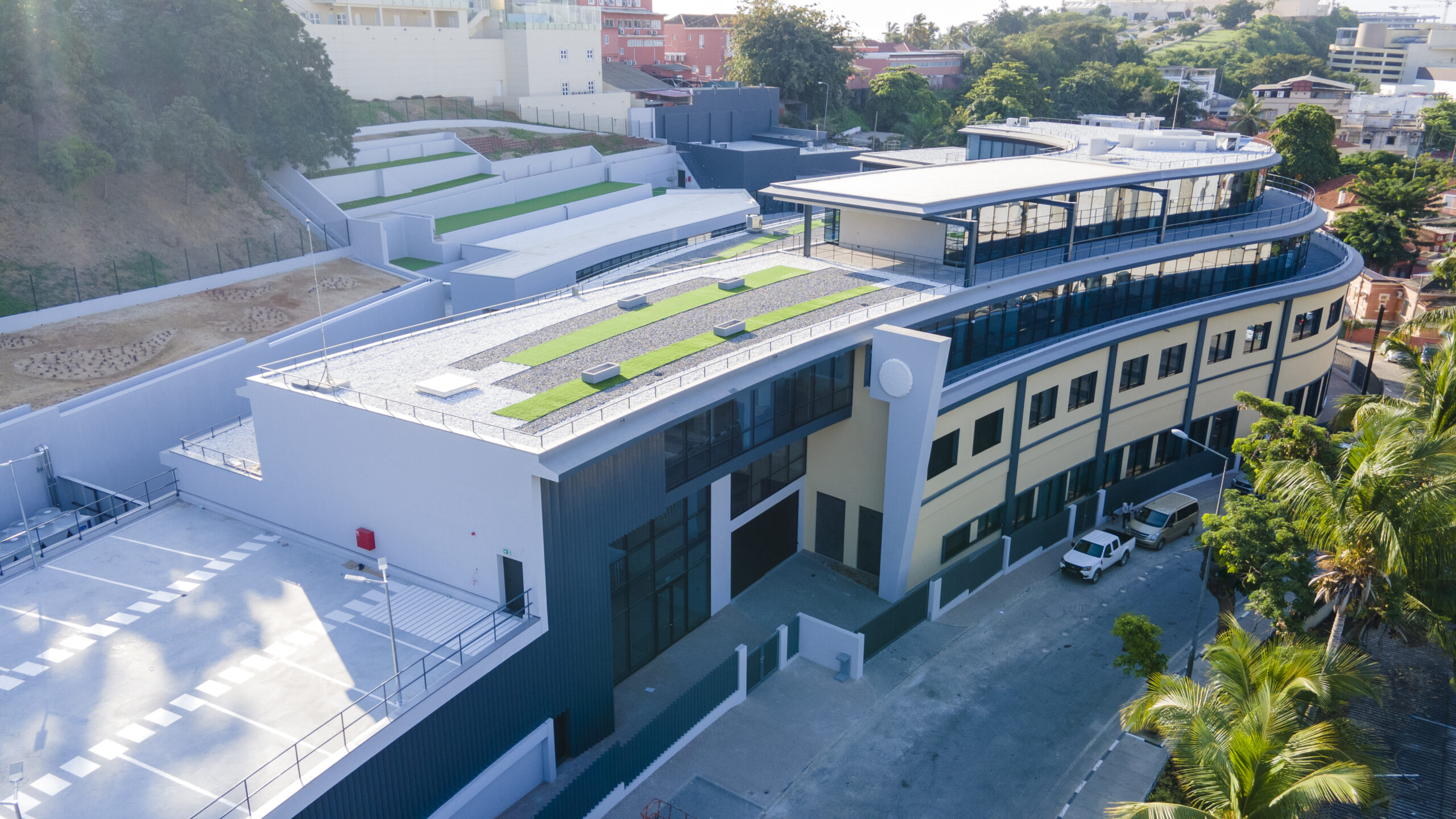
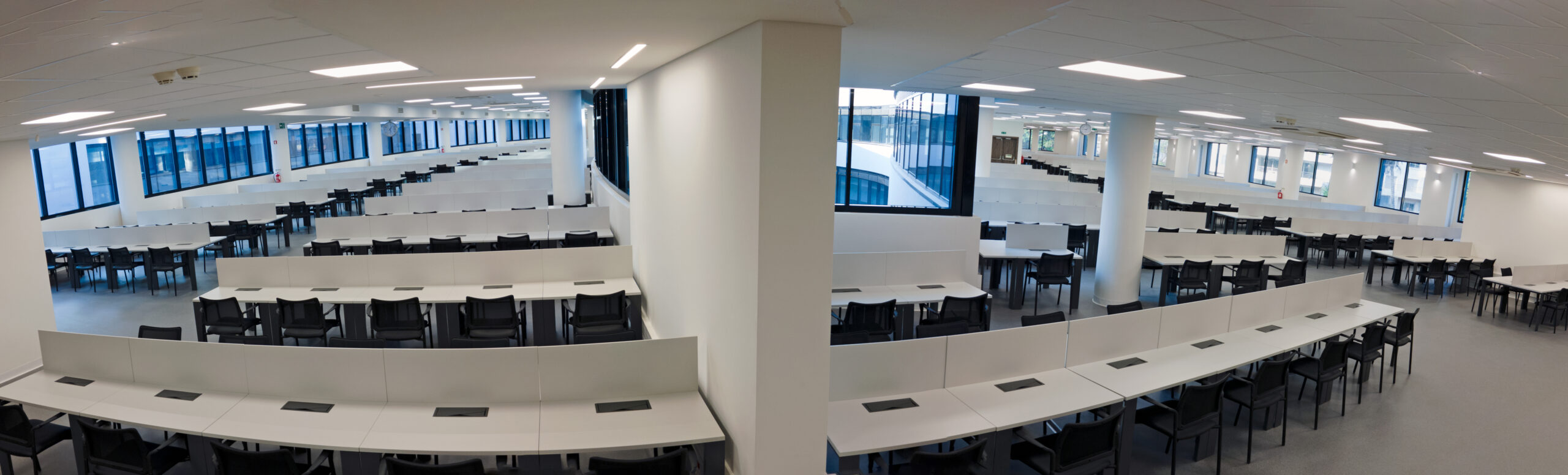
The project to renovate and modernize the National Electoral Commission Headquarters in Luanda combined contemporary functionality with the preservation of Angola’s cultural heritage. The renewed facility provided a permanent, efficient, and secure environment that enhanced electoral operations and strengthened public confidence in the democratic process.
- 10,961 m² across 4 floors
- 836 workstations
- 140-seat auditorium


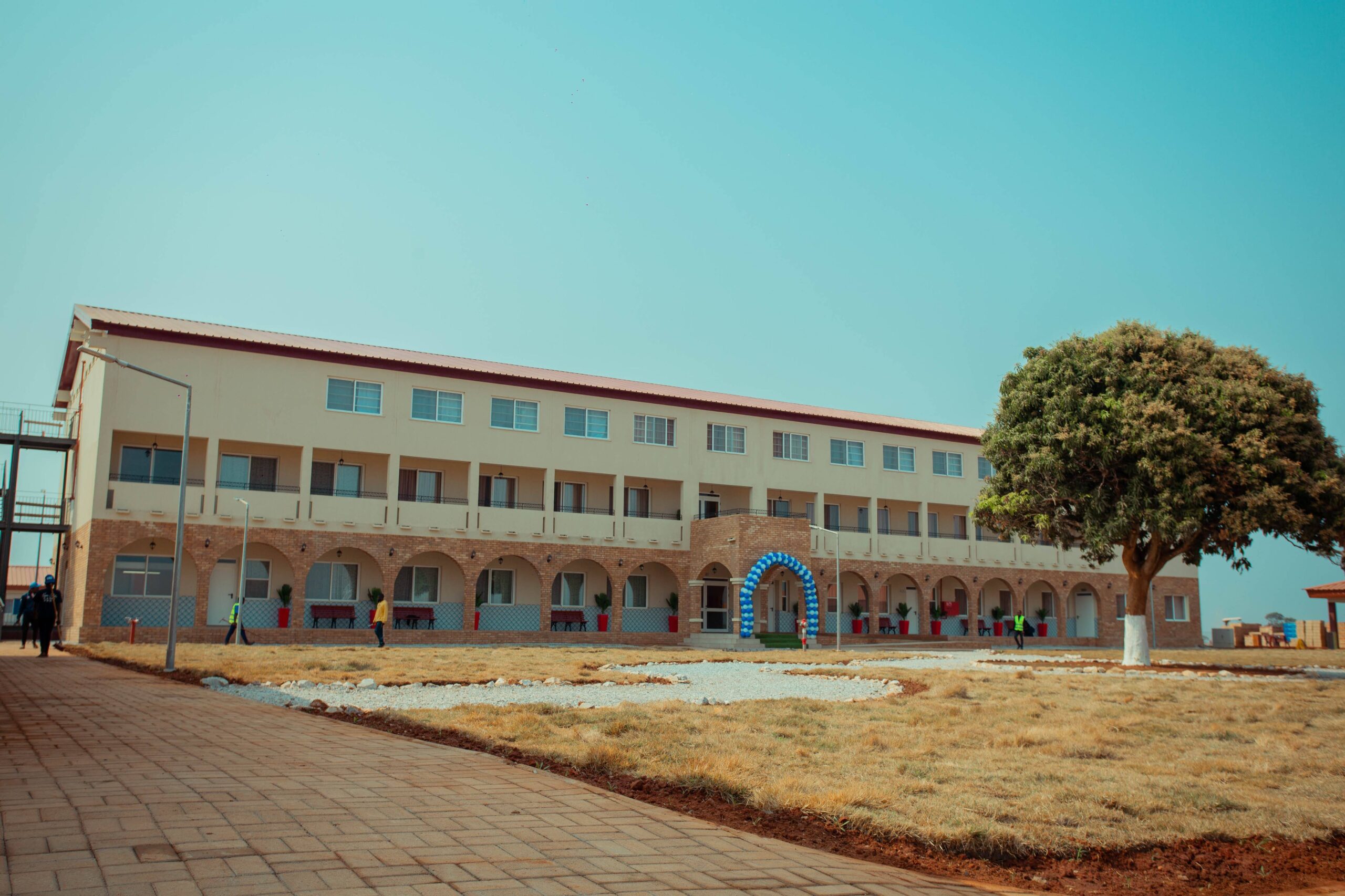
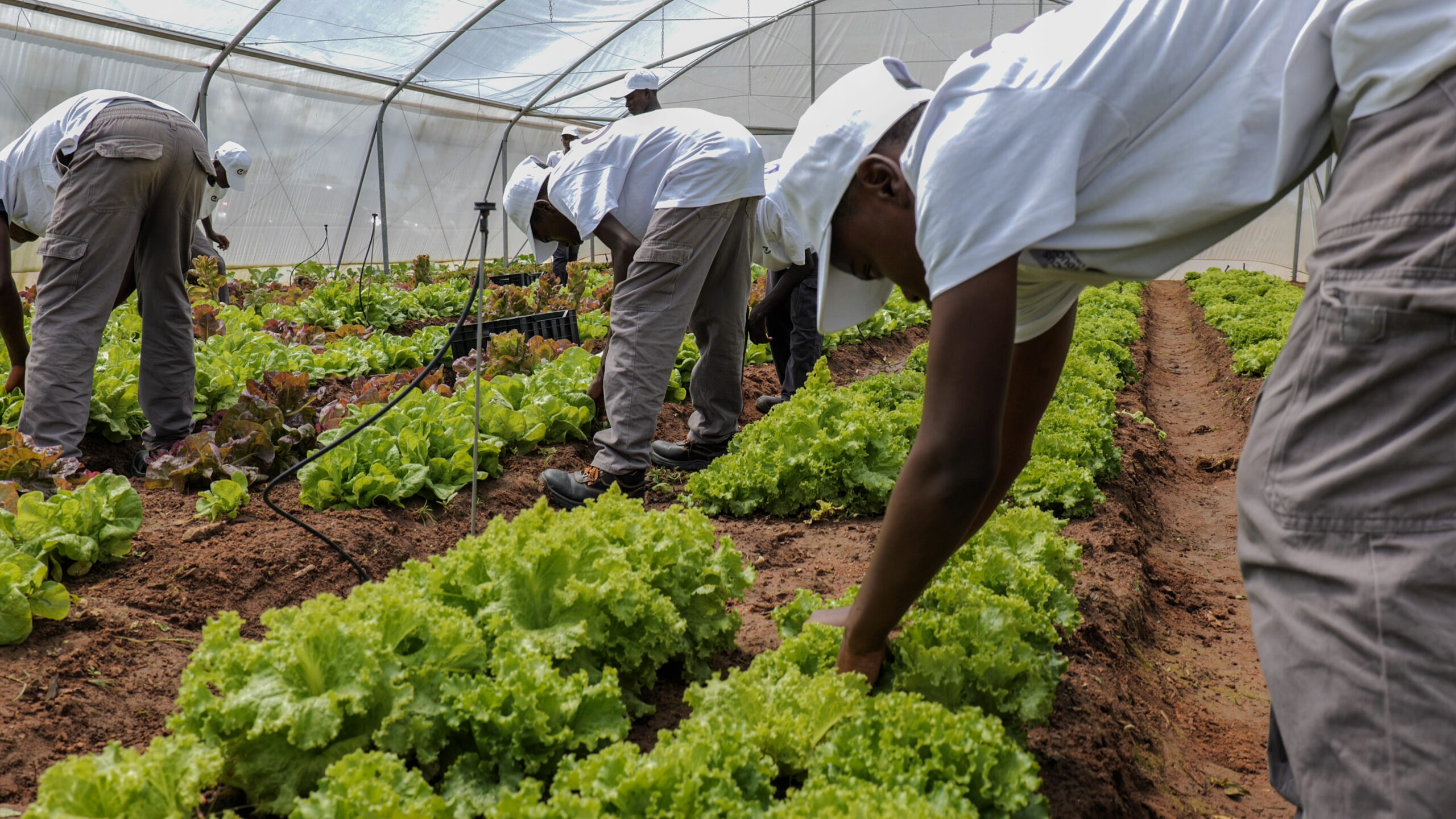
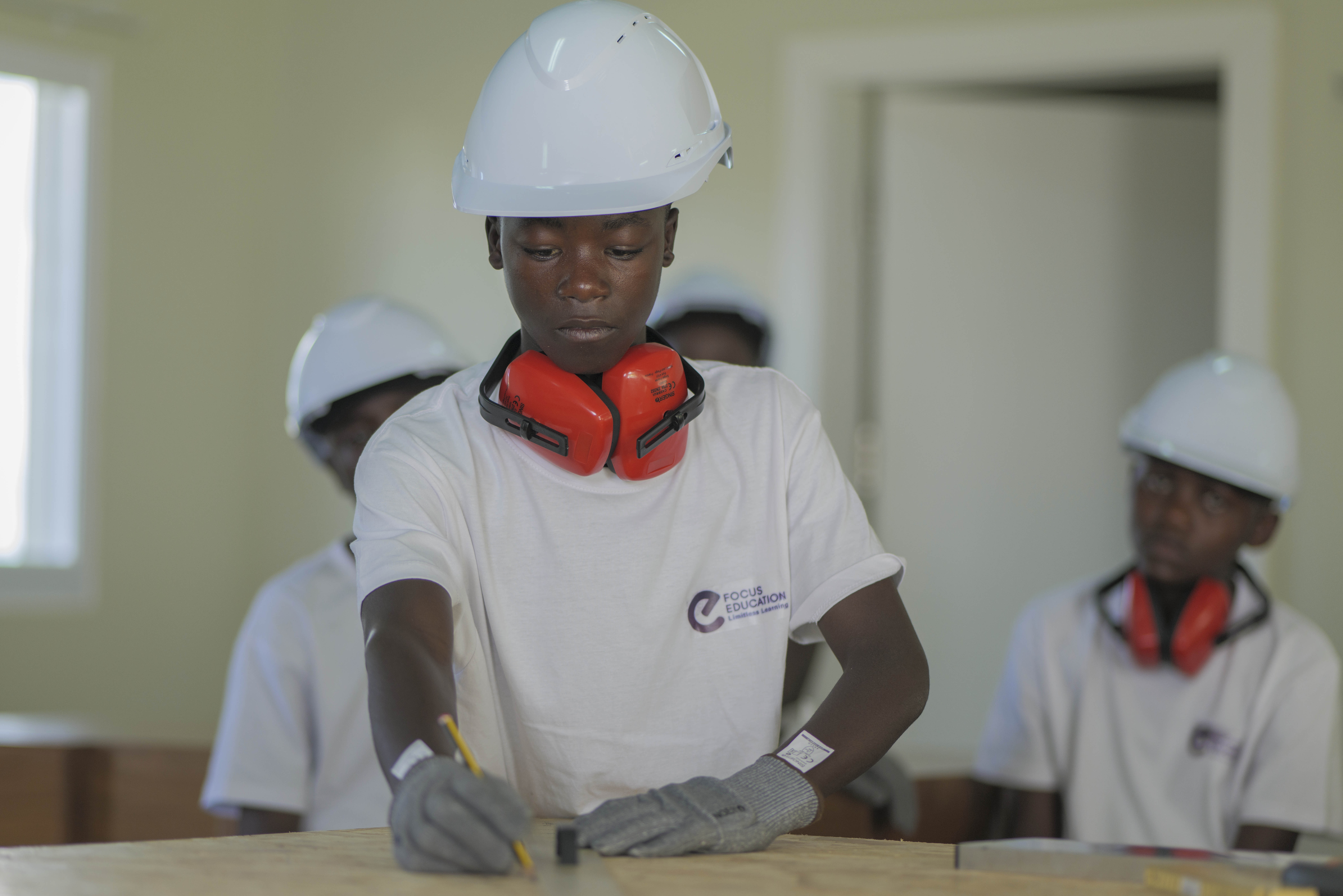
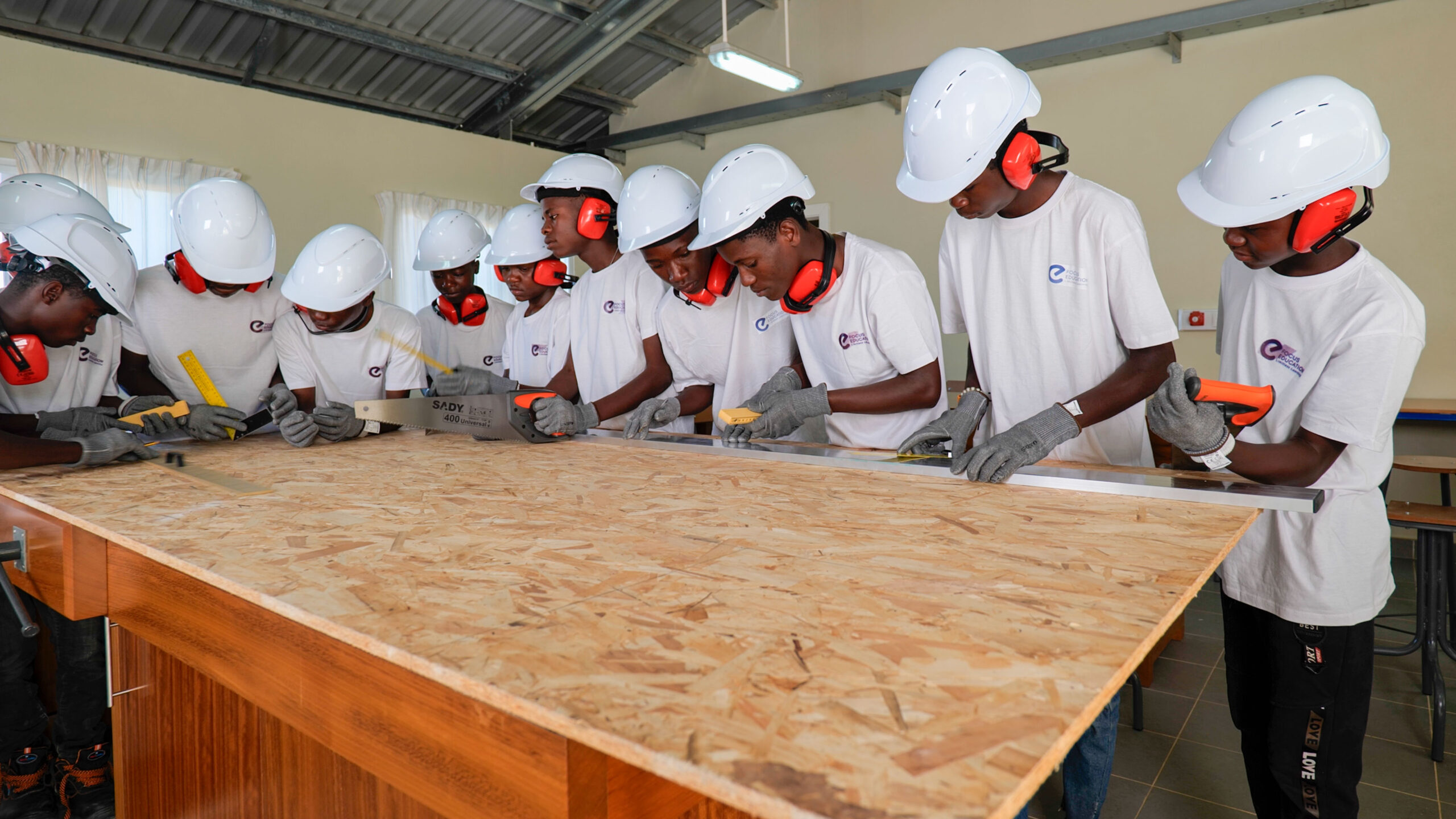
The Youth Villages project empowers rural youth with practical skills and real employment opportunities. Through a 3-year vocational training program, students gain hands-on experience in technical and vocational fields, within a supportive residential environment that builds confidence, independence, and community impact.
- 8 villages
- 11,000 graduated to date
- 300 direct jobs
- Thousands of indirect jobs


The rehabilitation of the 11 de Novembro National Stadium revitalized one of Angola’s most iconic sports venues, modernizing its infrastructure and surrounding facilities to meet international standards. The project combined sustainable design, functionality, and environmental balance, creating a safer, more efficient, and energy-conscious stadium that continues to serve as a national symbol of sport and unity.
- Capacity: approx. 50,000 spectators
- Field dimensions: 105 m × 68 m


This hydroponic farming project in Bengo Province introduces a sustainable, high-efficiency system for year-round vegetable production. By combining advanced hydroponic technology with climate-controlled greenhouses, it optimizes water use, boosts yields, and supports Angola’s goals for food security and environmental sustainability.
- 4.12-hectare agricultural site
- 4 vegetable greenhouses (0.72 ha each)
- Capsicum (pepper) greenhouse (0.72 ha)
- Hydroponic greenhouse (0.49 ha, mainly lettuce)
- Nursery area (0.06 ha)

A comprehensive cybersecurity program was implemented for a national financial authority to strengthen digital resilience and protect critical assets. The initiative established a unified security framework combining advanced technology, robust processes, and staff training to ensure long-term protection, compliance, and operational reliability.

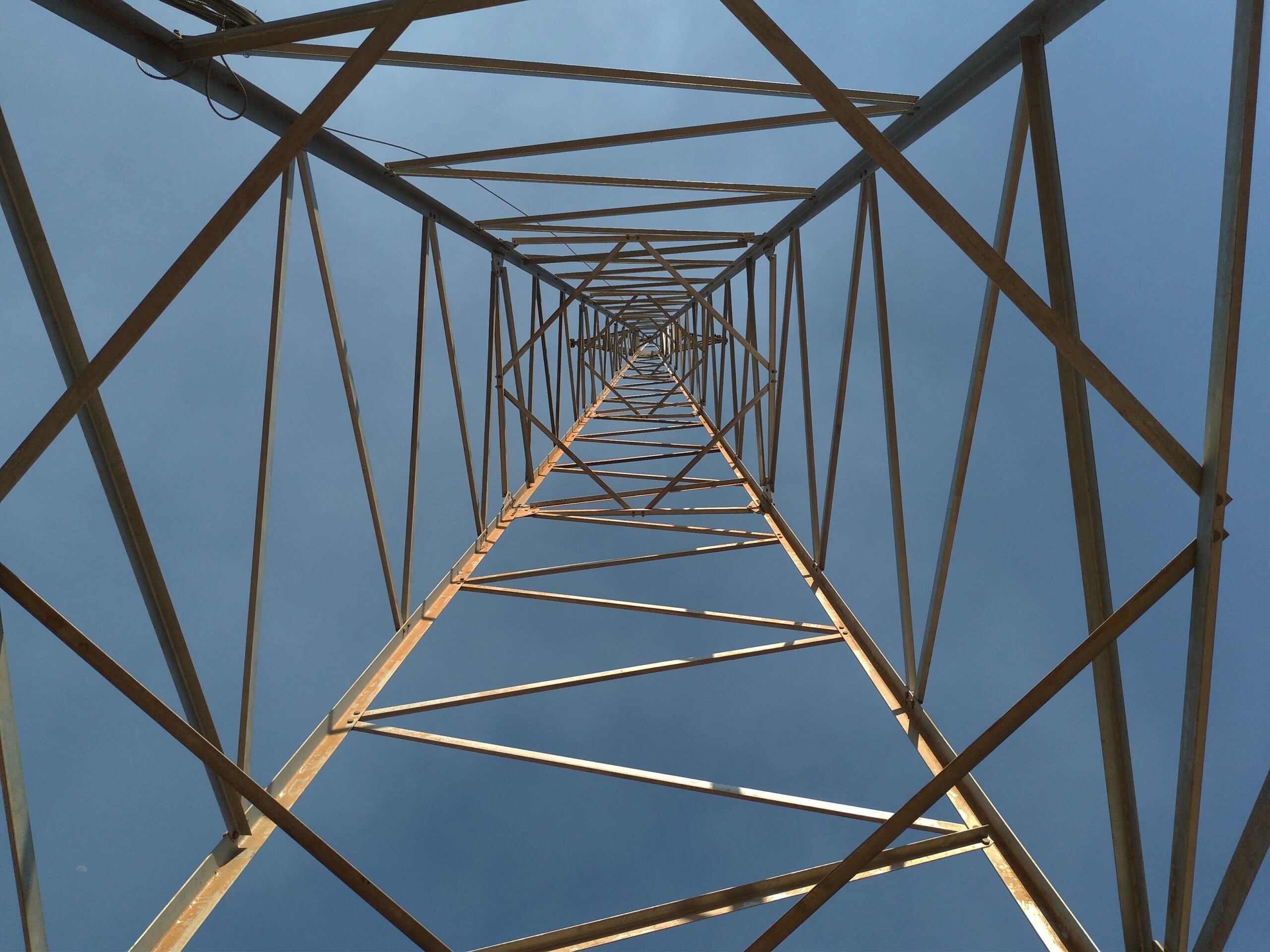
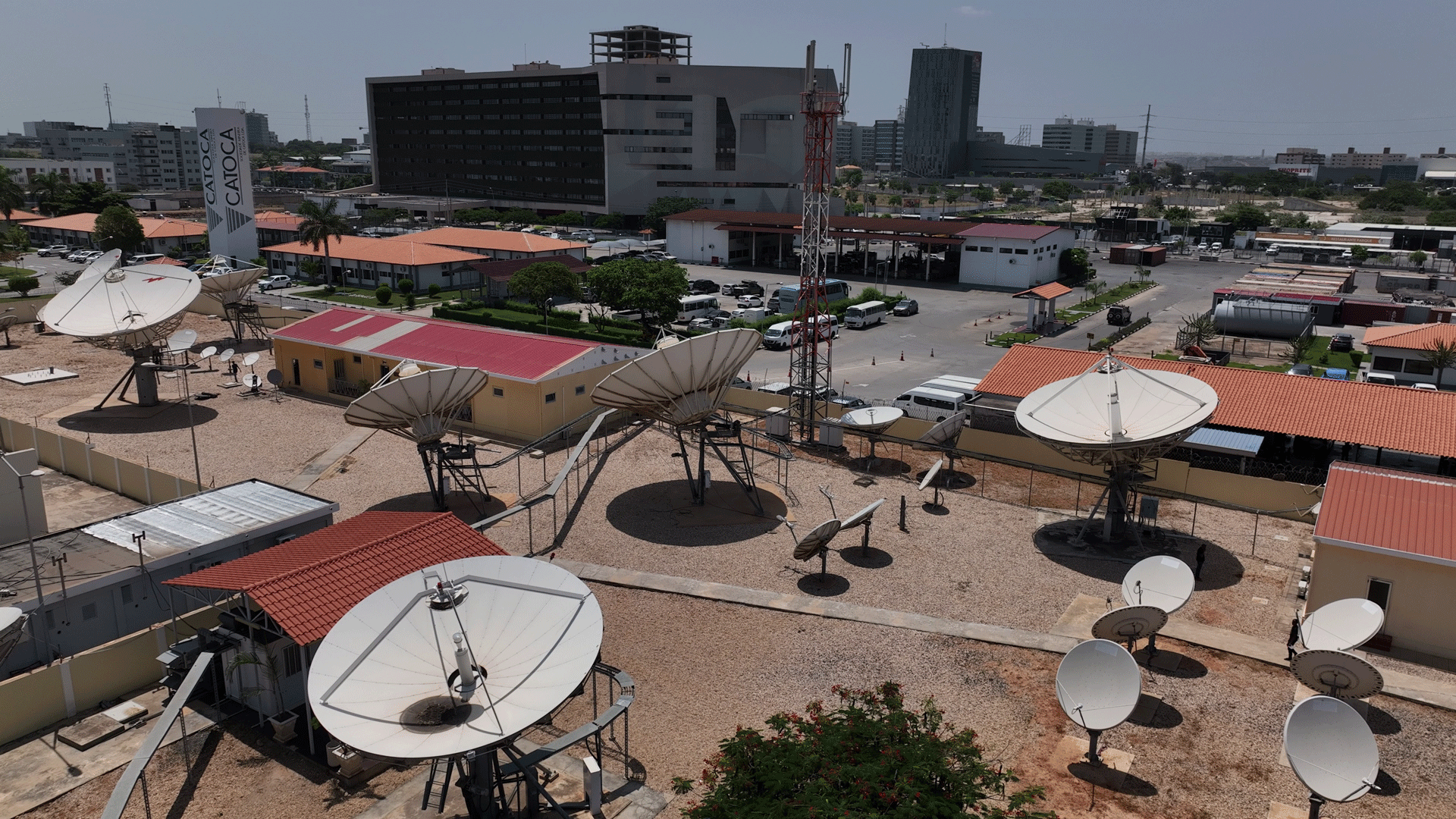
The National Telecommunications Expansion Project established a sustainable, high-speed communication network connecting communities across Angola. By integrating advanced microwave technology with existing infrastructure, it enhanced nationwide connectivity and supported social and economic development through reliable digital access.
- 100+ sites of infrastructure deployed
- 8,000 km of network coverage
- 15 million people connected across 13 provinces